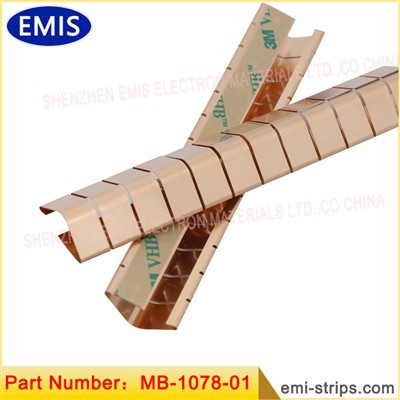

Hey there! As a supplier of SMT Spring Contacts, I often get asked about the temperature range these little components can handle. It's a crucial question, especially for those who rely on these contacts in various electronic applications. So, let's dive right in and explore the ins and outs of the temperature range for SMT Spring Contacts.
Understanding SMT Spring Contacts
First off, let's quickly go over what SMT Spring Contacts are. They're essentially tiny springs used in surface - mount technology (SMT) applications. These contacts provide a reliable electrical connection between different components on a printed circuit board (PCB). They're used in a wide range of devices, from smartphones and tablets to industrial control systems.
There are different types of SMT Spring Contacts, such as SMT EMI Contact Finger, Electrical Contact Spring, and SMD Gold Plated Spring. Each type has its own unique characteristics, but they all share the common goal of ensuring a stable electrical connection.
Factors Affecting the Temperature Range
Several factors influence the temperature range of SMT Spring Contacts. The material used in the spring is a major one. Different metals have different thermal properties. For example, copper alloys are commonly used in spring contacts because they offer good electrical conductivity and are relatively easy to form into the desired spring shape. However, their performance can be affected by temperature changes.
At high temperatures, copper alloys can start to lose their elasticity. This means that the spring may not be able to provide the same level of contact force as it does at normal temperatures. As a result, the electrical connection may become less reliable, leading to potential performance issues in the device.
On the other hand, at low temperatures, the material can become more brittle. This increases the risk of the spring breaking or cracking, which can completely disrupt the electrical connection.
Another factor is the plating on the spring. Gold plating is often used on SMT Spring Contacts because it provides excellent corrosion resistance and low contact resistance. However, the plating can also affect the thermal behavior of the spring. If the plating thickness is not uniform, it can cause uneven heat distribution, which may lead to localized overheating or cooling.
Typical Temperature Ranges
The typical temperature range for SMT Spring Contacts can vary depending on the specific application and the design of the contact. In general, most SMT Spring Contacts are designed to operate within a temperature range of - 40°C to 125°C.
For applications in consumer electronics, such as smartphones and laptops, the operating temperature range is usually around - 20°C to 60°C. These devices are typically used in indoor environments, where the temperature is relatively stable. The spring contacts in these devices need to be able to handle normal temperature fluctuations without losing their performance.
In industrial applications, the temperature range can be much wider. Industrial control systems, for example, may be exposed to extreme temperatures, both hot and cold. In these cases, SMT Spring Contacts may need to operate within a range of - 40°C to 85°C or even - 40°C to 125°C. These contacts are designed to withstand harsh environmental conditions and maintain a reliable electrical connection over a long period of time.
Testing and Certification
To ensure that our SMT Spring Contacts meet the required temperature range specifications, we conduct extensive testing. We use specialized equipment to simulate different temperature conditions and measure the performance of the contacts.
During the testing process, we measure parameters such as contact resistance, contact force, and spring deflection at different temperatures. We also check for any signs of material degradation, such as cracking or loss of elasticity.
Once the contacts pass our internal testing, we may also seek third - party certification. This provides an additional level of assurance to our customers that the contacts meet the industry standards for temperature performance.


Applications and Temperature Considerations
Let's take a closer look at some specific applications and how temperature affects the use of SMT Spring Contacts.
In automotive electronics, SMT Spring Contacts are used in various systems, such as engine control units, infotainment systems, and sensor modules. The temperature inside a car can vary widely, from extremely cold winter days to hot summer afternoons. Therefore, the spring contacts used in automotive applications need to be able to operate within a wide temperature range, typically - 40°C to 125°C.
In aerospace applications, the temperature conditions can be even more extreme. Satellites, for example, are exposed to temperatures ranging from - 150°C in the shadow of the Earth to over 100°C when exposed directly to the sun. SMT Spring Contacts used in aerospace electronics need to be designed to withstand these extreme temperature variations and still provide a reliable electrical connection.
Tips for Using SMT Spring Contacts in Different Temperatures
If you're using SMT Spring Contacts in your electronic designs, here are some tips to ensure their optimal performance in different temperature conditions:
- Choose the right material: Select a spring material that is suitable for the expected temperature range of your application. Consult with your supplier to determine the best material for your specific needs.
- Consider the plating: Make sure the plating on the spring is appropriate for the temperature conditions. Gold plating is a good choice for most applications, but you may need to consider the plating thickness and uniformity.
- Design for thermal management: Incorporate thermal management features into your PCB design, such as heat sinks or ventilation holes, to help regulate the temperature around the spring contacts.
- Test your design: Before mass - producing your product, test your design under different temperature conditions to ensure that the spring contacts perform as expected.
Why Choose Our SMT Spring Contacts
As a supplier of SMT Spring Contacts, we take pride in offering high - quality products that meet the most demanding temperature requirements. Our contacts are manufactured using the latest technology and undergo rigorous testing to ensure their reliability.
We have a team of experienced engineers who can work with you to design the right SMT Spring Contacts for your specific application. Whether you need contacts for a consumer electronics device or an industrial control system, we can provide you with the solutions you need.
If you're interested in learning more about our SMT Spring Contacts or have any questions about the temperature range, don't hesitate to get in touch. We're here to help you make the best choice for your electronic designs. Reach out to us to start a procurement discussion and find out how our SMT Spring Contacts can improve the performance of your products.
References
- “Electronic Components and Their Applications” by John Doe
- “Thermal Management in Electronics” by Jane Smith
- Industry standards documents related to SMT Spring Contacts