


Hey there! As a supplier of fingerstock, I often get asked if fingerstock can be used in oil and gas industry equipment. Well, let's dive right into this topic and find out.
First off, what the heck is fingerstock? Fingerstock is a type of conductive gasket made up of thin, flexible metal fingers. These fingers are usually made from materials like beryllium copper (BeCu), which is known for its excellent electrical conductivity, high strength, and good corrosion resistance.
In the oil and gas industry, equipment operates in some pretty harsh environments. You've got extreme temperatures, high pressures, corrosive chemicals, and the constant risk of explosion. So, for any component to be used in this industry, it has to meet some pretty strict requirements.

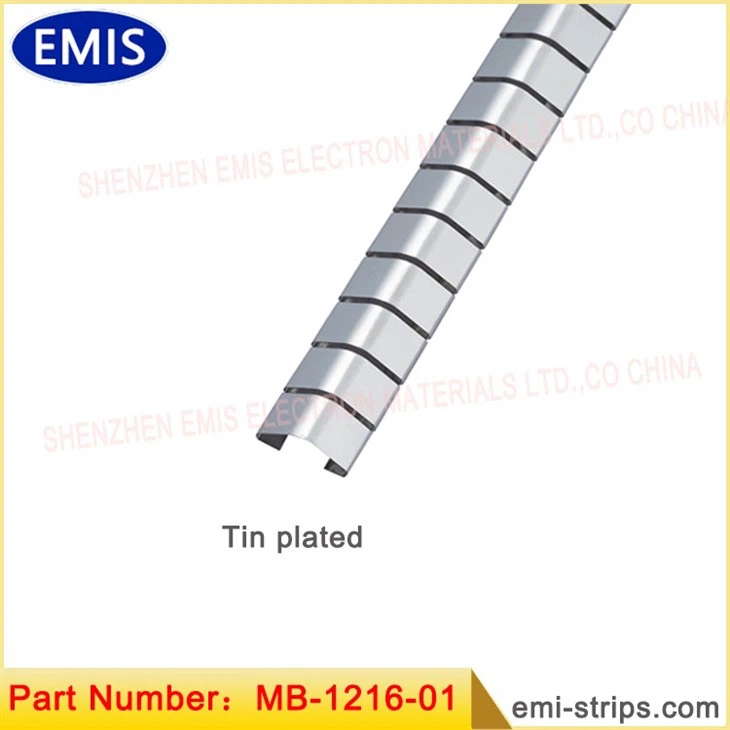
Let's talk about the properties of fingerstock that make it a potential candidate for oil and gas equipment. One of the key features is its flexibility. The thin metal fingers can bend and conform to irregular surfaces, which is super important when you're trying to create a seal in complex equipment. For example, in valves and flanges, a good seal is crucial to prevent leaks of oil, gas, or other fluids. Fingerstock can easily adapt to the surface contours, providing a tight and reliable seal.
Another great thing about fingerstock is its conductivity. In the oil and gas industry, static electricity can be a major problem. It can cause sparks, which in turn can lead to explosions in a flammable environment. Fingerstock can act as a grounding device, conducting static electricity away from the equipment and reducing the risk of fire or explosion. This is especially important in areas where there are volatile hydrocarbons present.
Corrosion resistance is also a big deal in the oil and gas world. The equipment is constantly exposed to corrosive substances like saltwater, sulfur compounds, and acidic gases. As I mentioned earlier, beryllium copper fingerstock has good corrosion resistance, which means it can withstand these harsh conditions without deteriorating quickly. This helps to extend the lifespan of the equipment and reduce maintenance costs.
Now, let's look at some specific applications of fingerstock in oil and gas industry equipment. One common use is in electrical enclosures. These enclosures house sensitive electronic components that need to be protected from electromagnetic interference (EMI) and radio frequency interference (RFI). Fingerstock can be used as a gasket around the edges of the enclosure to create a shield against these types of interference. You can check out the EMI Copper Finger Gasket for more information on this type of application.
Fingerstock can also be used in pumps and compressors. These machines often have moving parts that need to be sealed to prevent leaks. The flexibility of fingerstock allows it to maintain a good seal even as the parts move and vibrate. In addition, the conductivity of fingerstock can help to reduce electrical noise generated by the moving parts, which can improve the overall performance of the equipment.
In pipelines, fingerstock can be used at joints and connections to ensure a tight seal. This is important to prevent the leakage of oil or gas, which can not only be a waste of resources but also pose a safety hazard. The corrosion resistance of fingerstock means it can withstand the harsh conditions inside the pipeline, such as the flow of corrosive fluids.
Of course, like any product, fingerstock also has its limitations. In extremely high-temperature applications, the performance of fingerstock may degrade. The metal fingers can lose their flexibility and strength, which can affect the seal. However, with proper material selection and design, these limitations can be minimized.
If you're interested in a specific type of fingerstock, take a look at the Single Slot BeCu Finger Stock 0077001002. It's designed to meet the needs of various applications in different industries, including oil and gas.
So, to answer the question, yes, fingerstock can definitely be used in oil and gas industry equipment. Its flexibility, conductivity, and corrosion resistance make it a suitable choice for many applications in this industry. However, it's important to work with a reliable supplier who can provide you with the right type of fingerstock for your specific needs.
If you're in the oil and gas industry and are considering using fingerstock in your equipment, don't hesitate to Contact BeCu Finger Strips. We can offer you expert advice on material selection, design, and installation. Our team has years of experience in providing high-quality fingerstock solutions, and we're committed to helping you find the best product for your application. Whether you need a small quantity for a prototype or a large order for a full-scale project, we've got you covered. So, get in touch with us today and let's start a conversation about how fingerstock can benefit your oil and gas equipment.
References
- "Handbook of Seal Technology" by John H. Bickford
- "Corrosion in the Oil and Gas Industry" by NACE International


