


As a supplier of Twisted Finger Gaskets, I've encountered numerous inquiries regarding the compression ratio of these essential components. In this blog post, I'll delve into the concept of the compression ratio of Twisted Finger Gaskets, exploring its significance, influencing factors, and practical implications in various applications.

Understanding Compression Ratio
The compression ratio of a gasket is a critical parameter that quantifies the amount of deformation a gasket can undergo when subjected to a specific load. It is typically expressed as a percentage and is calculated by dividing the difference between the initial thickness of the gasket and its compressed thickness by the initial thickness. For Twisted Finger Gaskets, this ratio is a key determinant of their sealing performance and electrical conductivity.
When a Twisted Finger Gasket is compressed, its fingers deform to fill the gaps between mating surfaces, creating a reliable seal against electromagnetic interference (EMI) and environmental contaminants. The compression ratio directly affects the contact force between the fingers and the mating surfaces, which in turn influences the gasket's ability to provide effective shielding and sealing.
Significance of Compression Ratio
The compression ratio of Twisted Finger Gaskets plays a crucial role in ensuring optimal performance in a wide range of applications. Here are some key reasons why it is so important:
EMI Shielding
In electronic devices and systems, EMI can cause interference with sensitive components, leading to malfunctions and reduced performance. Twisted Finger Gaskets are commonly used to provide EMI shielding by creating a conductive path between two mating surfaces. The compression ratio determines the amount of contact between the fingers and the surfaces, which affects the gasket's ability to conduct electromagnetic energy and prevent its leakage. A higher compression ratio generally results in better EMI shielding performance.
Environmental Sealing
In addition to EMI shielding, Twisted Finger Gaskets are also used to provide environmental sealing against dust, moisture, and other contaminants. The compression ratio affects the gasket's ability to conform to irregular surfaces and create a tight seal. A higher compression ratio can help to ensure a more effective seal, reducing the risk of contamination and damage to the enclosed components.
Mechanical Stability
The compression ratio also influences the mechanical stability of Twisted Finger Gaskets. When a gasket is compressed, it experiences a certain amount of stress, which can cause it to deform or even fail if the compression ratio is too high. On the other hand, if the compression ratio is too low, the gasket may not provide sufficient sealing or shielding performance. Therefore, it is important to select a compression ratio that is appropriate for the specific application and operating conditions.
Influencing Factors
Several factors can influence the compression ratio of Twisted Finger Gaskets. Understanding these factors is essential for selecting the right gasket and ensuring optimal performance. Here are some of the key factors to consider:
Material Properties
The material used to manufacture the Twisted Finger Gasket has a significant impact on its compression ratio. Different materials have different levels of elasticity and stiffness, which affect their ability to deform under load. For example, copper-based alloys are commonly used for Twisted Finger Gaskets due to their excellent electrical conductivity and corrosion resistance. These alloys typically have a relatively high compression ratio, which allows them to provide effective sealing and shielding performance.
Finger Geometry
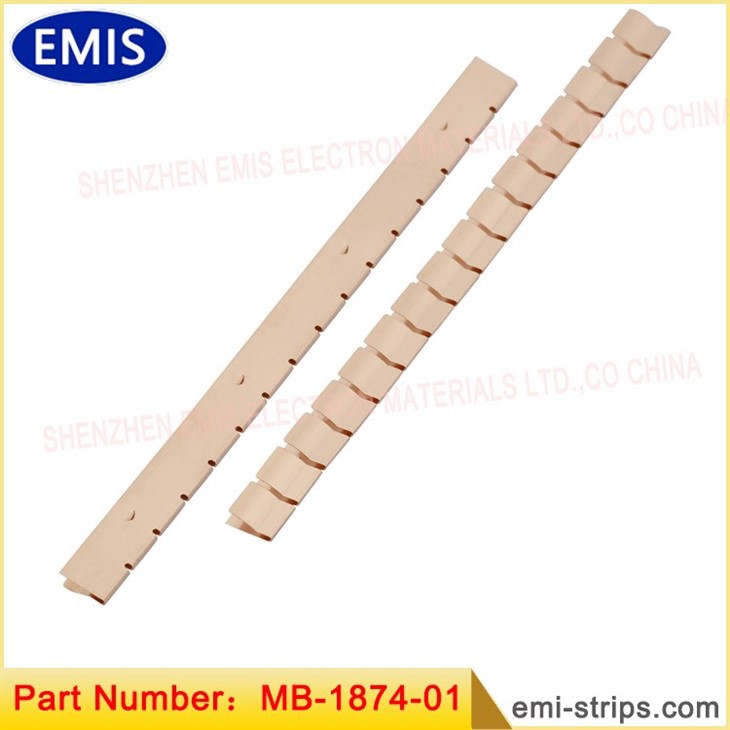
The geometry of the fingers on the Twisted Finger Gasket also plays a role in determining its compression ratio. The shape, size, and spacing of the fingers can affect the amount of deformation they undergo when compressed. For example, fingers with a larger cross-sectional area or a more complex shape may require a higher compression ratio to achieve the same level of sealing and shielding performance.

Mating Surface Conditions
The condition of the mating surfaces can also influence the compression ratio of Twisted Finger Gaskets. Rough or uneven surfaces can cause the fingers to deform unevenly, reducing the effectiveness of the seal. Therefore, it is important to ensure that the mating surfaces are clean, smooth, and flat before installing the gasket.
Installation Force
The amount of force applied during installation can also affect the compression ratio of Twisted Finger Gaskets. If the installation force is too high, the gasket may be over-compressed, leading to permanent deformation and reduced performance. On the other hand, if the installation force is too low, the gasket may not be compressed enough to provide effective sealing and shielding. Therefore, it is important to follow the manufacturer's recommendations for installation force to ensure optimal performance.

Practical Implications
The compression ratio of Twisted Finger Gaskets has several practical implications for their use in various applications. Here are some examples:
Design Considerations
When designing a system that requires EMI shielding or environmental sealing, it is important to consider the compression ratio of the Twisted Finger Gaskets. The design should ensure that the gasket is compressed to the appropriate ratio to provide effective performance. This may involve selecting the right gasket material, finger geometry, and installation method.
Installation and Maintenance
Proper installation and maintenance are essential for ensuring the long-term performance of Twisted Finger Gaskets. During installation, it is important to apply the correct amount of force to achieve the desired compression ratio. After installation, the gasket should be inspected regularly to ensure that it is still providing effective sealing and shielding. If the gasket shows signs of damage or wear, it should be replaced immediately.
Performance Evaluation
To evaluate the performance of Twisted Finger Gaskets, it is important to measure their compression ratio and other relevant parameters. This can be done using specialized testing equipment and techniques. By monitoring the compression ratio over time, it is possible to detect any changes in the gasket's performance and take appropriate action to prevent failures.
Related Products
In addition to Twisted Finger Gaskets, we also offer a range of related products that can be used in conjunction with them to provide enhanced EMI shielding and environmental sealing. These products include Shielded Door BeCu Strips, Rf Fingerstock, and Clip-on Perpendicular Shielding. These products are designed to work together to provide a comprehensive solution for EMI shielding and environmental sealing in a wide range of applications.
Conclusion
The compression ratio of Twisted Finger Gaskets is a critical parameter that affects their sealing performance, electrical conductivity, and mechanical stability. Understanding the concept of compression ratio and its influencing factors is essential for selecting the right gasket and ensuring optimal performance in various applications. By considering the design, installation, and maintenance of Twisted Finger Gaskets, it is possible to achieve effective EMI shielding and environmental sealing, protecting sensitive electronic components from interference and damage.
If you have any questions or need further information about Twisted Finger Gaskets or our other products, please feel free to contact us. We are always happy to assist you with your procurement needs and provide you with the best possible solutions for your applications.
References
- "Electromagnetic Interference Shielding Materials and Techniques" by David A. Bell
- "Gasket Design and Application Handbook" by John H. Bickford
- "Materials Science and Engineering: An Introduction" by William D. Callister Jr. and David G. Rethwisch


