


Hey there! As a supplier of Standard EMI Strips, I often get asked if these strips are easy to install. Well, let's dive right into it and find out.
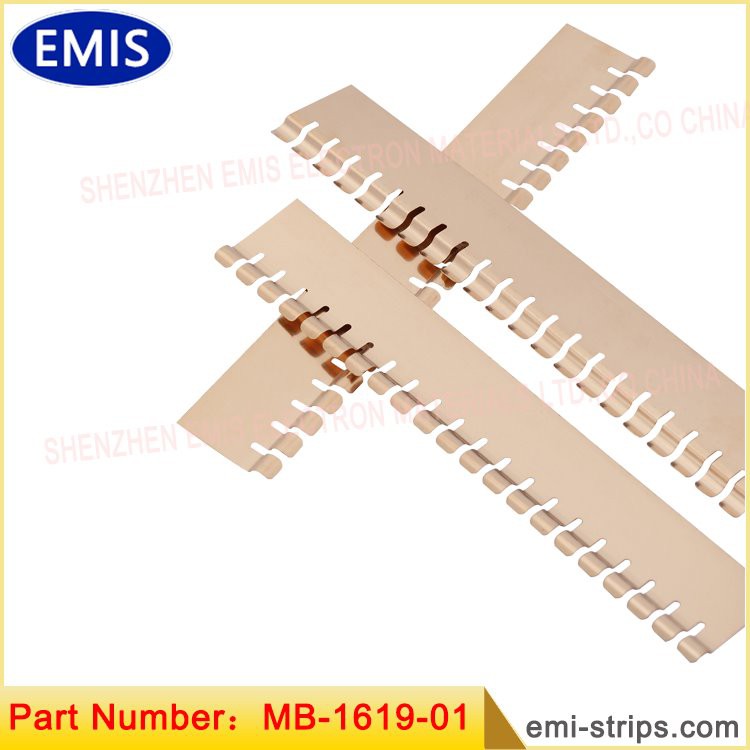
First off, what are Standard EMI Strips? They're essential components used to reduce electromagnetic interference (EMI) in various electronic devices. EMI can cause all sorts of problems, like signal distortion and malfunctions, so having effective EMI shielding is crucial. Standard EMI Strips act as a barrier, preventing unwanted electromagnetic waves from interfering with the normal operation of electronic equipment.
Now, let's talk about the installation process. In my experience, Standard EMI Strips are generally quite easy to install, and here's why.

1. Design and Flexibility
Most Standard EMI Strips are designed with installation in mind. They come in a variety of shapes and sizes to fit different applications. Whether you're working on a small, intricate circuit board or a large electronic enclosure, there's likely a suitable EMI strip for the job.
For example, some strips are made with a flexible material that can be easily bent or shaped to conform to the contours of the surface you're applying them to. This flexibility makes it a breeze to install them in hard - to - reach areas. You don't have to worry about the strip cracking or breaking when you're trying to get it into position.
2. Adhesive Backing
Many Standard EMI Strips come with an adhesive backing. This is a game - changer when it comes to installation. All you have to do is peel off the protective layer on the adhesive side and stick the strip onto the desired surface. It's as simple as that!
The adhesive used is usually strong enough to hold the strip in place securely, but it also allows for some adjustment if you make a mistake during the initial placement. You can gently lift the strip and reposition it without causing damage to the strip or the surface it's being applied to.
3. Clear Installation Instructions
As a supplier, we always provide clear installation instructions with our Standard EMI Strips. These instructions are written in a simple and easy - to - understand way, even for those who are not very tech - savvy. They include step - by - step guides, diagrams, and sometimes even videos to help you through the process.
Whether you're a professional electronics technician or a DIY enthusiast, you'll find these instructions very helpful. They cover everything from surface preparation to the proper way to apply the strip to ensure maximum effectiveness.
4. Compatibility
Standard EMI Strips are designed to be compatible with a wide range of materials. They can be installed on metal, plastic, and even some composite surfaces. This compatibility means that you don't have to worry about finding a special type of strip for a particular material. You can use the same type of strip in different parts of your electronic device, which simplifies the installation process.
However, it's not all sunshine and rainbows. There are a few factors that can make the installation of Standard EMI Strips a bit more challenging.
1. Surface Preparation
Proper surface preparation is essential for a successful installation. If the surface is dirty, greasy, or uneven, the adhesive on the strip may not bond properly. You need to clean the surface thoroughly before applying the strip. This may involve using a mild detergent and a clean cloth to remove any dirt or debris. In some cases, you may also need to sand the surface slightly to create a better bonding surface.
2. Precision Placement
In some applications, precision placement of the EMI strip is crucial. For example, if you're working on a high - density circuit board, you need to make sure that the strip is placed exactly where it's needed to provide the best shielding. This requires a steady hand and some patience. You may need to use a magnifying glass or other tools to ensure accurate placement.
3. Temperature and Humidity
The temperature and humidity during installation can also affect the performance of the adhesive. If it's too cold, the adhesive may not stick properly. On the other hand, if it's too hot and humid, the adhesive may dry out too quickly or become less effective. It's best to install the strips in a controlled environment with a temperature between 20 - 25 degrees Celsius and a relative humidity of around 40 - 60%.
Now, let's take a look at some of the other EMI shielding products we offer. We have the [T Lances EMI Gasket](/fingerstock/t - lances - emi - gasket.html), which is another great option for reducing EMI. These gaskets are designed to provide a high - level of shielding in a compact form. They're easy to install and can be used in a variety of applications.
Another product is the [Tape Mount BeCu Fingerstock](/fingerstock/tape - mount - becu - fingerstock.html). This type of fingerstock is made with beryllium copper, which is known for its excellent electrical conductivity and corrosion resistance. The tape - mount feature makes it easy to install on different surfaces.
And of course, we also have [EMI Contact Strips](/fingerstock/emi - contact - strips.html). These strips are designed to provide a reliable electrical contact between two surfaces, which helps to reduce EMI. They're available in different sizes and configurations to meet your specific needs.
In conclusion, while there are some challenges involved, Standard EMI Strips are generally easy to install. With the right preparation, tools, and following the instructions, you can have them installed in no time. If you're in the market for EMI shielding products, whether it's Standard EMI Strips or any of our other products, we're here to help.
If you have any questions about installation, product selection, or anything else related to EMI shielding, feel free to reach out to us. We're more than happy to assist you with your procurement needs and have a detailed discussion about how our products can meet your specific requirements.
References
- Industry standards on EMI shielding
- Manufacturer's guidelines for Standard EMI Strips installation


