


As a supplier of EMC fingers strip, I've witnessed firsthand the critical role these components play in various electronic applications. One of the most frequently asked questions from our customers is about the aging resistance of EMC fingers strip. In this blog post, I'll delve into what aging resistance means for EMC fingers strip, the factors that affect it, and why it matters in real - world applications.
Understanding Aging Resistance in EMC Fingers Strip
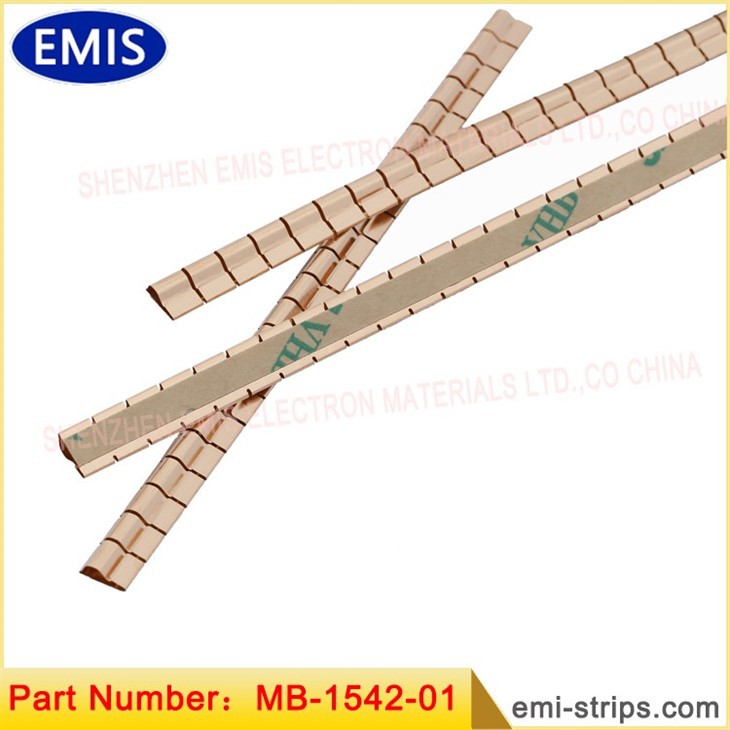
Aging resistance refers to the ability of EMC fingers strip to maintain its performance characteristics over an extended period. EMC fingers strip are used to provide electromagnetic shielding, grounding, and electrical conductivity in electronic enclosures. Over time, exposure to various environmental factors can cause degradation of the strip's material, which may lead to a reduction in its effectiveness.
The primary function of EMC fingers strip is to create a low - impedance path for electromagnetic interference (EMI) currents. When the strip ages, its electrical conductivity may decrease, and the shielding effectiveness may be compromised. This can result in increased EMI emissions from the electronic device, which can interfere with other nearby electronic systems and cause malfunctions.
Factors Affecting the Aging Resistance of EMC Fingers Strip
1. Material Composition
The material used to manufacture EMC fingers strip has a significant impact on its aging resistance. Common materials include beryllium copper, phosphor bronze, and stainless steel. Beryllium copper is known for its excellent electrical conductivity, flexibility, and corrosion resistance. It can withstand a wide range of environmental conditions, making it a popular choice for applications where high aging resistance is required. Phosphor bronze offers good mechanical properties and moderate corrosion resistance, while stainless steel is highly resistant to corrosion but may have slightly lower electrical conductivity compared to beryllium copper.
2. Environmental Conditions
Environmental factors such as temperature, humidity, and chemical exposure can accelerate the aging process of EMC fingers strip. High temperatures can cause the material to expand and contract, leading to mechanical stress and potential fatigue. Prolonged exposure to high humidity can result in corrosion, especially if the material is not properly protected. Chemical exposure, such as contact with acids or alkalis, can also cause chemical reactions that degrade the material.
3. Mechanical Stress
During installation and use, EMC fingers strip may be subjected to mechanical stress. Bending, stretching, or compression can cause micro - fractures in the material, which can reduce its strength and electrical conductivity over time. Additionally, repeated mechanical stress can lead to fatigue failure, where the strip eventually breaks under cyclic loading.

Importance of Aging Resistance in Real - World Applications
1. Aerospace and Defense
In aerospace and defense applications, electronic systems are often exposed to harsh environmental conditions, including extreme temperatures, high humidity, and vibration. EMC fingers strip with high aging resistance are crucial to ensure the reliable operation of these systems. For example, in aircraft avionics, EMI shielding is essential to prevent interference with communication and navigation systems. If the EMC fingers strip age prematurely, it can lead to system failures, which can have serious consequences for flight safety.
2. Telecommunications
Telecommunication equipment, such as base stations and routers, operates continuously for long periods. These devices are also exposed to a wide range of environmental conditions, including temperature variations and dust. EMC fingers strip with good aging resistance help to maintain the integrity of the electromagnetic shielding, ensuring that the equipment can operate without interference. This is particularly important in 5G networks, where high - frequency signals are more susceptible to EMI.
3. Industrial Automation
In industrial automation, electronic control systems are used to monitor and control manufacturing processes. These systems are often located in harsh industrial environments, where they may be exposed to chemicals, dust, and mechanical vibrations. EMC fingers strip with high aging resistance are necessary to prevent EMI from affecting the operation of these systems and to ensure the reliability of the manufacturing process.
Evaluating the Aging Resistance of EMC Fingers Strip
To ensure that our EMC fingers strip meet the required aging resistance standards, we conduct a series of tests. These tests simulate real - world environmental conditions and mechanical stress to evaluate the long - term performance of the strip.
1. Temperature Cycling Test
In a temperature cycling test, the EMC fingers strip are subjected to repeated cycles of high and low temperatures. This test helps to determine the strip's resistance to thermal expansion and contraction. By measuring the electrical conductivity and mechanical properties of the strip after each cycle, we can assess its aging characteristics.
2. Humidity Test
The humidity test exposes the EMC fingers strip to a high - humidity environment for an extended period. This test is used to evaluate the strip's corrosion resistance. We monitor the strip for signs of rust or other forms of corrosion and measure its electrical conductivity to determine if the performance has been affected.
3. Mechanical Fatigue Test
The mechanical fatigue test involves subjecting the EMC fingers strip to repeated bending or compression. This test simulates the mechanical stress that the strip may experience during installation and use. By measuring the number of cycles the strip can withstand before failure, we can assess its mechanical durability and aging resistance.
Our Product Offerings and Their Aging Resistance
We offer a wide range of EMC fingers strip products, each designed to meet specific application requirements. Our Longitudinal Grounding Gasket is made from high - quality beryllium copper, which provides excellent aging resistance. It can withstand high temperatures, humidity, and mechanical stress, making it suitable for applications in harsh environments.
Our EMI Fingerstock is another popular product. It is available in different materials, including beryllium copper and phosphor bronze. The choice of material depends on the specific application requirements. Both materials offer good aging resistance, ensuring long - term performance in EMI shielding applications.
Our Rf Fingerstock is designed for high - frequency applications. It is made from materials with high electrical conductivity and excellent aging resistance. This ensures that the strip can effectively shield against RF interference over an extended period.
We also offer Clip - on and Edge Mount Gaskets 0097060602 and Standard EMI Strips 0097054202. These products are engineered to provide reliable EMI shielding and grounding, with a focus on aging resistance to ensure long - term performance in various electronic systems.
Conclusion
The aging resistance of EMC fingers strip is a critical factor in ensuring the long - term performance of electronic systems. By understanding the factors that affect aging resistance and conducting rigorous testing, we can provide high - quality EMC fingers strip that meet the demanding requirements of various industries.
If you are in the market for EMC fingers strip and are concerned about aging resistance, we invite you to contact us for a detailed discussion. Our team of experts can help you select the right product for your specific application. We are committed to providing you with the best - in - class EMC solutions that offer long - term reliability and performance.
References
- "Electromagnetic Compatibility Engineering" by Henry W. Ott
- "Handbook of Electronic Packaging Design" edited by Richard J. Parker


