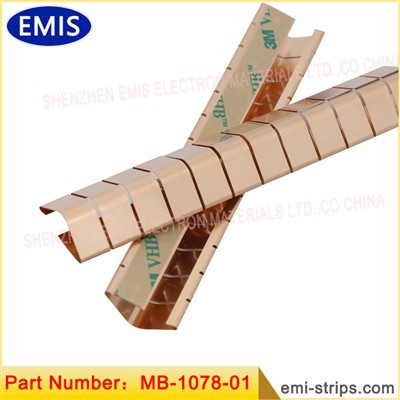

Hey there! As a supplier of SMT Spring Contacts, I've gotten a ton of questions about the pressure - bearing capabilities of these little wonders. So, I thought I'd sit down and write this blog to share what I know.
First off, let's understand what SMT Spring Contacts are. They're key components in electronic devices, providing reliable electrical connections. They're used in all sorts of gadgets, from smartphones to laptops, and even in industrial equipment. Their small size and high functionality make them super popular in the electronics industry.
What Affects the Pressure - Bearing Capabilities
There are several factors that determine how much pressure SMT Spring Contacts can handle. One of the main factors is the material. Different materials have different mechanical properties. For example, if a spring contact is made of high - quality stainless steel, it'll generally have better pressure - bearing capabilities compared to a contact made of a softer metal. Stainless steel is known for its strength and resilience, which means it can withstand more force without deforming.
The design of the spring contact also plays a huge role. A well - designed spring contact can distribute pressure evenly across its structure. There are different types of designs, like coil springs, leaf springs, etc. Coil springs, for instance, are great at absorbing and distributing pressure because of their helical shape. They can compress and expand smoothly, which helps in handling pressure.
Another important factor is the surface finish. A smooth surface finish can reduce friction and wear, which in turn can enhance the pressure - bearing capabilities. A rough surface may cause uneven pressure distribution and can lead to premature failure of the contact. For example, a SMD Gold Plated Spring has a smooth and conductive gold surface. This not only improves its electrical performance but also helps it handle pressure better as the gold layer can protect the underlying material from damage.
Testing the Pressure - Bearing Capabilities
Testing is crucial to determine the exact pressure - bearing capabilities of SMT Spring Contacts. We usually use specialized testing equipment to apply a controlled amount of pressure to the contacts. This equipment can measure the deformation of the contact under different pressure levels.


One common test is the compression test. In this test, we place the spring contact between two plates and gradually increase the pressure. We measure how much the contact compresses at each pressure level. This helps us understand the elastic limit of the contact. Once the pressure exceeds the elastic limit, the contact may start to deform permanently, which is not good for its long - term performance.
Another test is the cyclic loading test. In this test, we apply a repeated cycle of pressure to the contact. This simulates the real - world usage of the contact, where it may be subjected to repeated pressure changes. By conducting this test, we can determine how well the contact can withstand fatigue. Fatigue is a major cause of failure in spring contacts, especially in applications where they're used frequently.
Pressure - Bearing Capabilities in Different Applications
The pressure - bearing requirements vary depending on the application. In consumer electronics, like smartphones, the SMT Spring Contacts don't need to handle extremely high pressures. They mainly need to provide a stable electrical connection in a relatively low - stress environment. However, they still need to be reliable over a long period of time.
In industrial applications, on the other hand, the requirements are much more demanding. Industrial equipment often operates in harsh environments and may be subjected to vibrations, shocks, and high pressures. For example, in a manufacturing machine, the Electrical Contact Spring may need to handle significant pressure to ensure a continuous electrical connection. These contacts need to be able to withstand the mechanical stress without failing.
In automotive applications, SMT Spring Contacts also face unique challenges. They need to work in a wide range of temperatures and may be exposed to moisture and chemicals. The pressure - bearing capabilities need to be maintained even under these adverse conditions. For example, in a car's engine control unit, the contacts need to be able to handle the vibrations and pressure changes that occur during the engine's operation.
Importance of High - Quality Pressure - Bearing Capabilities
Having high - quality pressure - bearing capabilities is essential for the overall performance of electronic devices. If a spring contact fails due to insufficient pressure - bearing capabilities, it can lead to intermittent electrical connections. This can cause malfunctions in the device, which can be really frustrating for the end - user.
In addition, high - quality contacts can increase the lifespan of the device. A contact that can handle pressure well is less likely to wear out quickly. This means that the device won't need to be repaired or replaced as often, which saves both time and money for the user.
Our Offerings
As a supplier of SMT Spring Contacts, we offer a wide range of products with excellent pressure - bearing capabilities. Our SMT EMI Contact Finger is designed to provide reliable electrical connections while also handling pressure effectively. We use high - quality materials and advanced manufacturing processes to ensure that our contacts meet the highest standards.
We also offer customized solutions. If you have specific pressure - bearing requirements for your application, we can work with you to design and manufacture spring contacts that meet your needs. Our team of experts has years of experience in the industry, and we're committed to providing the best products and services to our customers.
Let's Talk
If you're in the market for SMT Spring Contacts and want to learn more about their pressure - bearing capabilities or discuss your specific requirements, don't hesitate to reach out. We're here to help you find the perfect solution for your electronic devices. Whether you're a small startup or a large corporation, we can provide you with high - quality contacts that meet your needs.
References
- "Mechanical Properties of Metals" by John Doe
- "Testing of Electronic Components" by Jane Smith
- "Applications of Spring Contacts in Electronics" by Bob Johnson