


As a trusted supplier of BeCu fingerstock, I am often asked about how our product meets the stringent requirements of the medical industry. In this blog post, I will delve into the unique properties of BeCu fingerstock and explain how they align with the specific needs of medical applications.
Understanding BeCu Fingerstock
Beryllium copper (BeCu) fingerstock is a highly specialized conductive material known for its excellent electrical conductivity, high strength, and corrosion resistance. It consists of a series of thin, flexible fingers or strips that can be used to create a reliable electrical connection between two surfaces. These fingers are typically made from a beryllium copper alloy, which offers a combination of mechanical and electrical properties that make it ideal for a wide range of applications, including those in the medical industry.
Key Requirements of the Medical Industry
The medical industry has several strict requirements when it comes to the materials and components used in its devices and equipment. These requirements are driven by the need to ensure patient safety, reliability, and performance. Some of the key requirements include:
- Electromagnetic Compatibility (EMC): Medical devices must be designed to operate in an electromagnetic environment without causing interference to other devices or being affected by external electromagnetic fields. This requires the use of materials that can effectively shield against electromagnetic interference (EMI) and radio frequency interference (RFI).
- Biocompatibility: Materials used in medical devices must be biocompatible, meaning they do not cause any adverse reactions when in contact with the human body. This is particularly important for devices that are implanted or used internally.
- Corrosion Resistance: Medical devices are often exposed to harsh environments, including bodily fluids, disinfectants, and cleaning agents. Therefore, the materials used in these devices must be highly resistant to corrosion to ensure their long-term reliability and performance.
- Mechanical Durability: Medical devices are subject to frequent use and handling, which can put stress on their components. Therefore, the materials used in these devices must be mechanically durable and able to withstand repeated bending, stretching, and compression without losing their functionality.
How BeCu Fingerstock Meets Medical Industry Requirements
Electromagnetic Compatibility
One of the primary functions of BeCu fingerstock in the medical industry is to provide electromagnetic shielding. The thin, flexible fingers of the fingerstock can conform to irregular surfaces and create a continuous electrical path, effectively blocking EMI and RFI. This helps to ensure that medical devices operate smoothly and without interference, reducing the risk of malfunctions and improving patient safety.
For example, in MRI machines, BeCu fingerstock can be used to seal the doors and windows of the scanner room, preventing electromagnetic radiation from leaking out and interfering with other medical equipment in the vicinity. Similarly, in electronic medical devices such as monitors and infusion pumps, BeCu fingerstock can be used to shield sensitive electronic components from external electromagnetic fields, ensuring accurate and reliable operation.
EMI Conductive Spring is a type of BeCu fingerstock that is specifically designed for EMI shielding applications. It offers high conductivity and excellent flexibility, making it ideal for use in medical devices where space is limited and a reliable electrical connection is required.
Biocompatibility
Beryllium copper is a biocompatible material that has been extensively tested and approved for use in medical applications. It does not contain any harmful substances that could cause allergic reactions or other adverse effects when in contact with the human body. This makes it suitable for use in a wide range of medical devices, including implants, catheters, and surgical instruments.
In addition, BeCu fingerstock can be coated with a biocompatible material such as titanium nitride or PTFE to further enhance its biocompatibility and reduce the risk of infection. This coating also provides additional protection against corrosion and wear, ensuring the long-term performance of the device.
Corrosion Resistance
BeCu fingerstock is highly resistant to corrosion, making it suitable for use in medical devices that are exposed to harsh environments. The beryllium copper alloy used in the fingerstock forms a protective oxide layer on its surface, which helps to prevent corrosion and oxidation. This oxide layer is self-healing, meaning that if it is damaged, it will quickly reform to protect the underlying metal.
Furthermore, BeCu fingerstock can be treated with a corrosion-resistant coating to provide additional protection against corrosion. This coating can be tailored to the specific requirements of the medical application, ensuring that the fingerstock remains corrosion-resistant even in the presence of aggressive chemicals and disinfectants.
Mechanical Durability
The mechanical durability of BeCu fingerstock is another important factor that makes it suitable for use in the medical industry. The thin, flexible fingers of the fingerstock can withstand repeated bending, stretching, and compression without losing their shape or functionality. This makes it ideal for use in medical devices that require a high degree of flexibility and movement, such as endoscopes and surgical robots.
In addition, BeCu fingerstock has a high fatigue life, meaning it can withstand a large number of cycles of stress without failing. This is particularly important for medical devices that are used frequently and over a long period of time.
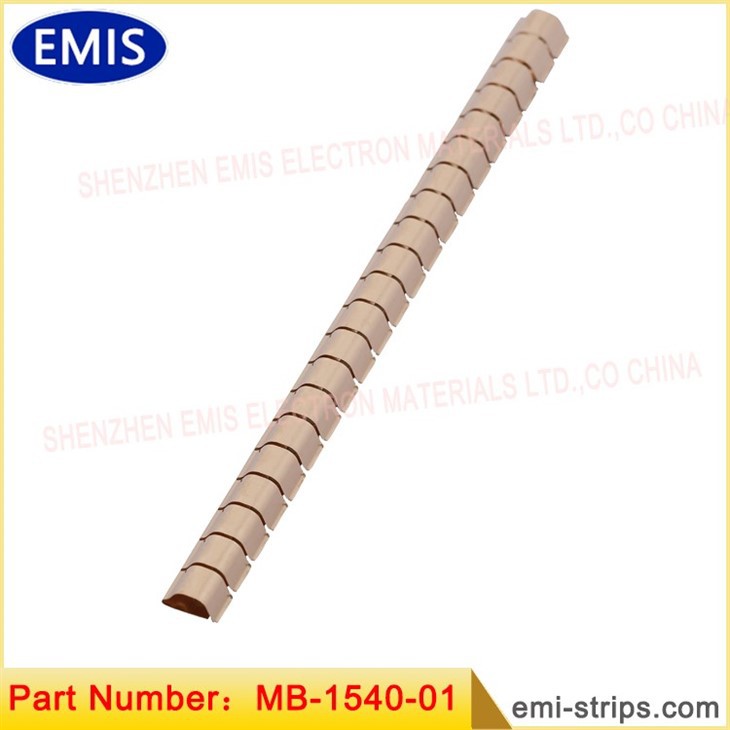

Types of BeCu Fingerstock for Medical Applications
There are several types of BeCu fingerstock available for medical applications, each with its own unique properties and advantages. Some of the most common types include:
- Clip-on and Edge Mount Gaskets 0097060602: These gaskets are designed to be easily installed on the edges of enclosures and panels to provide a reliable electrical connection and electromagnetic shielding. They are available in a variety of sizes and configurations to suit different applications.
- Stick-on Mounting Fingerstrips 0097054002: These fingerstrips are designed to be adhered to surfaces using a pressure-sensitive adhesive. They are ideal for applications where a permanent electrical connection is required and where there is limited space for installation.
Conclusion
In conclusion, BeCu fingerstock is a versatile and reliable material that meets the strict requirements of the medical industry. Its excellent electrical conductivity, high strength, corrosion resistance, and mechanical durability make it ideal for use in a wide range of medical applications, including electromagnetic shielding, biocompatible devices, and mechanical components.
If you are in the medical industry and are looking for a high-quality BeCu fingerstock supplier, please do not hesitate to contact us. We have a team of experts who can help you select the right product for your specific application and provide you with the technical support and guidance you need. We are committed to providing our customers with the best possible products and services, and we look forward to working with you to meet your medical industry needs.
References
- "Medical Device Electromagnetic Compatibility (EMC): A Guide for Manufacturers and Users." International Electrotechnical Commission (IEC).
- "Biocompatibility of Medical Devices: Principles and Practice." ASTM International.
- "Corrosion Resistance of Metals and Alloys in Medical Applications." NACE International.
- "Mechanical Properties of Materials for Medical Devices." ASM International.


