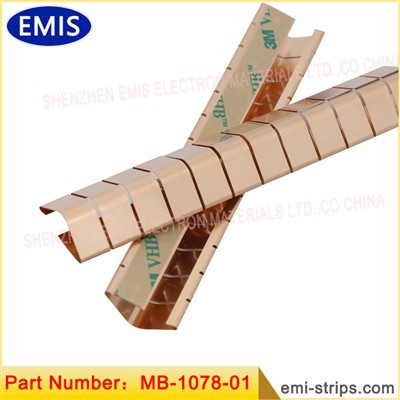

In the world of electronic devices and machinery, finger strip gaskets play a crucial role in ensuring proper functionality, protection, and performance. As a leading supplier of finger strip gaskets, I often encounter questions from customers regarding the need for regular replacement of these components. In this blog post, I will delve into the factors that determine whether finger strip gaskets need to be replaced regularly, providing valuable insights for both current and potential customers.
Understanding Finger Strip Gaskets
Finger strip gaskets, also known as fingerstock gaskets, are flexible conductive materials used to provide electromagnetic interference (EMI) shielding and environmental sealing in various applications. These gaskets consist of a series of fingers or strips that are typically made from materials such as copper, beryllium copper, or stainless steel. The fingers are designed to compress and conform to irregular surfaces, creating a reliable seal that prevents the leakage of electromagnetic radiation and contaminants.
One of the key advantages of finger strip gaskets is their ability to provide excellent electrical conductivity, which is essential for effective EMI shielding. By creating a low-impedance path for electrical currents, these gaskets help to divert electromagnetic energy away from sensitive electronic components, reducing the risk of interference and signal degradation. Additionally, finger strip gaskets can also provide environmental sealing, protecting electronic devices from dust, moisture, and other contaminants that can cause damage or malfunction.
Factors Affecting the Lifespan of Finger Strip Gaskets
The lifespan of finger strip gaskets can vary depending on several factors, including the application environment, the type of material used, and the frequency of use. Here are some of the key factors that can affect the durability and performance of finger strip gaskets:
- Application Environment: The environment in which finger strip gaskets are used can have a significant impact on their lifespan. For example, gaskets used in harsh industrial environments, such as those exposed to high temperatures, chemicals, or abrasion, may experience more rapid wear and tear than those used in more benign environments. Similarly, gaskets used in outdoor applications may be subject to weathering and UV exposure, which can cause the material to degrade over time.
- Material Selection: The type of material used to manufacture finger strip gaskets can also affect their lifespan. Different materials have different properties and characteristics, such as electrical conductivity, corrosion resistance, and flexibility, which can impact their performance and durability. For example, beryllium copper is a popular choice for finger strip gaskets due to its high electrical conductivity, excellent spring properties, and resistance to corrosion. However, beryllium copper can be more expensive than other materials, and it may not be suitable for all applications.
- Frequency of Use: The frequency of use can also affect the lifespan of finger strip gaskets. Gaskets that are subjected to frequent compression and expansion cycles, such as those used in moving parts or equipment, may experience more wear and tear than those used in static applications. Additionally, gaskets that are exposed to high levels of vibration or shock may also be more prone to damage or failure.
Signs That Finger Strip Gaskets Need to be Replaced
While the lifespan of finger strip gaskets can vary depending on the factors mentioned above, there are some common signs that indicate it may be time to replace these components. Here are some of the key signs to look out for:
- Visible Damage: One of the most obvious signs that finger strip gaskets need to be replaced is visible damage, such as cracks, tears, or deformation. Damage to the gaskets can compromise their ability to provide an effective seal, increasing the risk of EMI leakage and environmental contamination.
- Reduced Electrical Conductivity: Another sign that finger strip gaskets may need to be replaced is a reduction in electrical conductivity. Over time, the fingers of the gaskets may become worn or corroded, which can increase the resistance and reduce the effectiveness of the EMI shielding. If you notice a decrease in the performance of your electronic devices or an increase in electromagnetic interference, it may be a sign that the gaskets need to be replaced.
- Poor Sealing Performance: If you notice that your electronic devices are experiencing problems with dust, moisture, or other contaminants, it may be a sign that the finger strip gaskets are no longer providing an effective seal. Poor sealing performance can also lead to increased EMI leakage, as contaminants can interfere with the electrical conductivity of the gaskets.
- Excessive Wear and Tear: Over time, finger strip gaskets may experience excessive wear and tear, which can cause the fingers to become flattened or bent. This can reduce the flexibility and resilience of the gaskets, making them less effective at providing a reliable seal. If you notice that the gaskets are showing signs of excessive wear and tear, it may be time to replace them.
Benefits of Regularly Replacing Finger Strip Gaskets
While it may not always be necessary to replace finger strip gaskets on a regular basis, there are several benefits to doing so. Here are some of the key advantages of regularly replacing finger strip gaskets:
- Improved Performance: By replacing finger strip gaskets on a regular basis, you can ensure that your electronic devices are operating at their optimal performance. Fresh gaskets will provide better electrical conductivity and environmental sealing, reducing the risk of EMI interference and signal degradation.
- Enhanced Reliability: Regularly replacing finger strip gaskets can also help to enhance the reliability of your electronic devices. By preventing the ingress of dust, moisture, and other contaminants, you can reduce the risk of damage and malfunction, extending the lifespan of your equipment.
- Compliance with Standards: In some industries, such as aerospace, automotive, and telecommunications, there are strict standards and regulations regarding EMI shielding and environmental sealing. By regularly replacing finger strip gaskets, you can ensure that your products meet these standards and regulations, avoiding potential legal issues and liability.
- Cost Savings: While the cost of replacing finger strip gaskets may seem like an additional expense, it can actually save you money in the long run. By preventing damage and malfunction, you can avoid costly repairs and downtime, reducing the overall cost of ownership of your electronic devices.
Conclusion
In conclusion, the need to replace finger strip gaskets regularly depends on several factors, including the application environment, the type of material used, and the frequency of use. While it may not always be necessary to replace gaskets on a regular basis, there are several benefits to doing so, including improved performance, enhanced reliability, compliance with standards, and cost savings. As a supplier of finger strip gaskets, we recommend that you consult with our experts to determine the best replacement schedule for your specific application.
If you are in need of high-quality finger strip gaskets, we invite you to explore our extensive range of products, including EMI Copper Finger Gasket, Beryllium Copper Strip for Gap Shielding 0097056002, and Solid Top Symmetrical Slotted BeCu Strips 0097095802. Our team of experts is available to assist you with product selection, technical support, and custom solutions. Contact us today to discuss your requirements and start a procurement negotiation.


References
- "Electromagnetic Interference (EMI) Shielding Materials and Applications." Journal of Electromagnetic Waves and Applications, vol. 30, no. 14, 2016, pp. 1621-1635.
- "Environmental Sealing for Electronic Devices." Handbook of Electronic Packaging Design and Manufacturing, edited by Richard A. Rigsbee, CRC Press, 2017, pp. 345-367.
- "Fingerstock Gaskets: A Comprehensive Guide." Technical Report, ABC Corporation, 2020.