


In the realm of modern electronics, the issue of electromagnetic interference (EMI) has become increasingly prominent. With the proliferation of electronic devices and the complexity of electromagnetic environments, effective EMI shielding is crucial to ensure the proper functioning of equipment. As a leading supplier of EMC Door EMI Strips, I am often asked about the shielding performance of our products, especially in a multi - source EMI environment. In this blog, I will delve into this topic and provide a comprehensive analysis of the shielding capabilities of our EMC Door EMI Strips.
Understanding EMI and Multi - Source EMI Environments
Electromagnetic interference refers to the disruption of the normal operation of electronic equipment caused by electromagnetic signals. These signals can come from a variety of sources, such as radio frequency (RF) transmitters, power lines, and other electronic devices. A multi - source EMI environment is characterized by the presence of multiple EMI sources simultaneously, which can create a complex and challenging electromagnetic field.
In such an environment, electronic equipment is more vulnerable to interference, which can lead to malfunctions, data errors, and even complete system failures. Therefore, effective EMI shielding is essential to protect the equipment from these harmful effects.
The Role of EMC Door EMI Strips
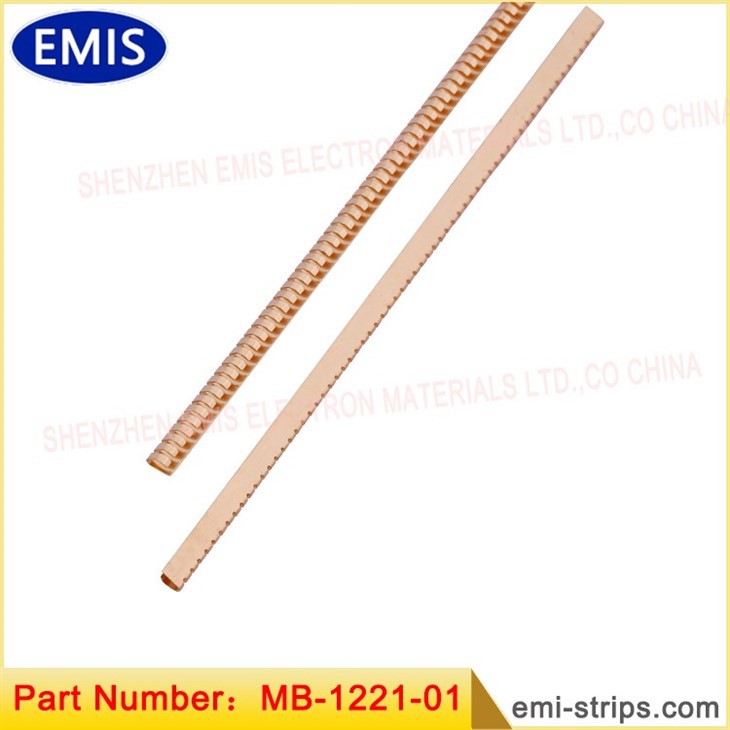
EMC Door EMI Strips are designed to provide a conductive path between the door and the enclosure of electronic equipment, thereby creating a shield against electromagnetic waves. When installed correctly, these strips can significantly reduce the amount of EMI that enters or exits the enclosure, protecting the internal components from interference.
Our EMC Door EMI Strips are made from high - quality materials, such as beryllium copper (BeCu), which has excellent electrical conductivity and mechanical properties. The BeCu material allows the strips to maintain good contact with the door and the enclosure, ensuring a continuous and effective shielding path.
Shielding Performance in a Multi - Source EMI Environment
Frequency Range
One of the key factors affecting the shielding performance of EMC Door EMI Strips is the frequency range of the EMI sources. Different EMI sources operate at different frequencies, and the shielding effectiveness of the strips can vary depending on the frequency.

Our EMC Door EMI Strips are designed to provide effective shielding over a wide frequency range, from low - frequency electromagnetic fields to high - frequency RF signals. This wide - band shielding capability is crucial in a multi - source EMI environment, where multiple frequencies may be present simultaneously.
Shielding Effectiveness
Shielding effectiveness is a measure of how well the EMC Door EMI Strips can reduce the strength of the electromagnetic field. It is usually expressed in decibels (dB), with higher values indicating better shielding performance.
In a multi - source EMI environment, the shielding effectiveness of our EMC Door EMI Strips can be affected by several factors, such as the type and strength of the EMI sources, the installation quality of the strips, and the design of the enclosure. However, through extensive testing and optimization, our products have been proven to provide high - level shielding effectiveness, typically ranging from 30 dB to 80 dB, depending on the specific application and frequency range.
Environmental Factors
Environmental factors, such as temperature, humidity, and vibration, can also have an impact on the shielding performance of EMC Door EMI Strips. In a multi - source EMI environment, these factors may be more severe and variable, which requires the strips to have good environmental adaptability.
Our EMC Door EMI Strips are designed to withstand a wide range of environmental conditions. The BeCu material has good corrosion resistance and mechanical stability, ensuring that the strips can maintain their shielding performance even in harsh environments.
Case Studies
To illustrate the shielding performance of our EMC Door EMI Strips in a multi - source EMI environment, let's take a look at some real - world case studies.
Case 1: Data Center
In a large - scale data center, there are numerous servers, networking equipment, and power supplies, all of which generate electromagnetic signals. These signals can interfere with each other and cause performance degradation or system failures.
By installing our EMC Door EMI Strips on the server cabinets, the data center was able to significantly reduce the EMI levels inside the cabinets. The shielding effectiveness was measured to be above 60 dB in the frequency range of 100 MHz to 1 GHz, which effectively protected the internal components from interference and improved the overall reliability of the data center.
Case 2: Telecommunication Base Station
A telecommunication base station is exposed to a variety of EMI sources, including RF signals from the antennas, power line interference, and electromagnetic radiation from other electronic devices.
Our EMC Door EMI Strips were installed on the base station enclosures to provide EMI shielding. The results showed that the strips were able to reduce the EMI levels by more than 50 dB in the frequency range of 800 MHz to 2.5 GHz, ensuring the normal operation of the communication equipment.
Choosing the Right EMC Door EMI Strips
When choosing EMC Door EMI Strips for a multi - source EMI environment, several factors need to be considered.
Material
As mentioned earlier, beryllium copper (BeCu) is a popular choice for EMC Door EMI Strips due to its excellent electrical conductivity and mechanical properties. However, other materials, such as phosphor bronze and stainless steel, may also be suitable depending on the specific application requirements.
Size and Shape
The size and shape of the EMC Door EMI Strips should be selected according to the dimensions and design of the door and the enclosure. Proper sizing and shaping ensure a good fit and effective contact, which is essential for achieving optimal shielding performance.
Installation
Correct installation is crucial for the shielding performance of EMC Door EMI Strips. It is recommended to follow the manufacturer's installation instructions carefully to ensure that the strips are installed in a way that maximizes their shielding effectiveness.
Conclusion
In conclusion, the shielding performance of EMC Door EMI Strips in a multi - source EMI environment is a complex but important issue. Our EMC Door EMI Strips, made from high - quality materials and designed with advanced technology, can provide effective shielding over a wide frequency range and in various environmental conditions.
If you are looking for reliable EMC Door EMI Strips for your electronic equipment, we are here to help. Our products have been widely used in various industries, including data centers, telecommunication, and aerospace, and have received high praise from our customers.
To learn more about our products, you can visit the following links: Contact BeCu Finger Strips, Cabinet Doors Becu Fingers, and Rf Fingerstock.
If you have any questions or need further information, please feel free to contact us for procurement and negotiation. We look forward to working with you to solve your EMI shielding problems.
References
- Paul, Clayton R. "Electromagnetic Compatibility for Engineers." John Wiley & Sons, 2006.
- Henry W. Ott. "Electromagnetic Compatibility Engineering." Wiley - Interscience, 2009.
- Various industry standards and guidelines related to EMI shielding, such as MIL - STD - 461.


