


Hey there! As a supplier of Rf Fingerstock, I often get asked about the shielding effectiveness of these little wonders. So, I thought I'd take a moment to break it down for you in this blog post.
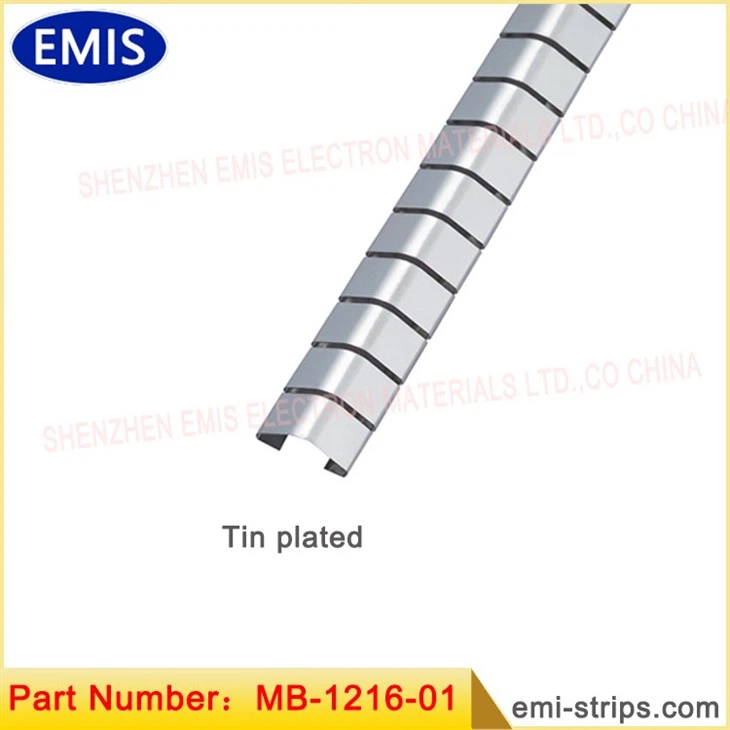
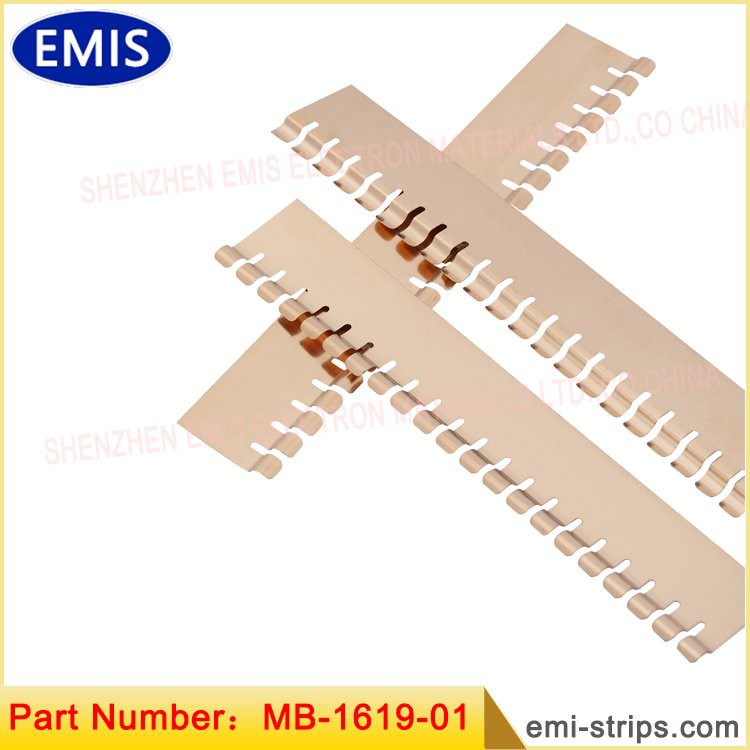
First off, let's talk about what Rf Fingerstock actually is. It's a type of electromagnetic interference (EMI) shielding material that's designed to provide a flexible and reliable electrical connection between two surfaces. It consists of a series of thin, flexible fingers that are typically made from materials like beryllium copper (BeCu) or stainless steel. These fingers are arranged in a pattern that allows them to conform to irregular surfaces and maintain good contact, even when there's some movement or vibration.
Now, the shielding effectiveness of Rf Fingerstock is a measure of how well it can block electromagnetic waves. It's usually expressed in decibels (dB), and the higher the number, the better the shielding. The shielding effectiveness of Rf Fingerstock depends on a few different factors, including the material it's made from, the design of the fingers, and the frequency of the electromagnetic waves.
Let's start with the material. Beryllium copper is a popular choice for Rf Fingerstock because it has excellent electrical conductivity and corrosion resistance. It also has a high spring constant, which means the fingers can maintain good contact even under pressure. Stainless steel is another option, and it's often used in applications where cost is a concern or where there's a need for high strength and durability.
The design of the fingers also plays a big role in the shielding effectiveness. The shape, size, and spacing of the fingers can all affect how well the Rf Fingerstock blocks electromagnetic waves. For example, fingers that are closer together will generally provide better shielding than fingers that are farther apart. And fingers that are shaped in a way that maximizes their contact area with the surface will also be more effective.
Finally, the frequency of the electromagnetic waves is an important factor. Different types of Rf Fingerstock are designed to work best at different frequencies. For example, some Rf Fingerstock is optimized for low-frequency applications, while others are better suited for high-frequency applications. It's important to choose the right type of Rf Fingerstock for your specific application to ensure the best possible shielding effectiveness.
So, how do you measure the shielding effectiveness of Rf Fingerstock? There are a few different methods, but one of the most common is the ASTM D4935 standard. This standard uses a test fixture to measure the amount of electromagnetic energy that's transmitted through a sample of the Rf Fingerstock at different frequencies. The results are then used to calculate the shielding effectiveness in dB.
Now, let's take a look at some of the benefits of using Rf Fingerstock for EMI shielding. One of the biggest advantages is its flexibility. Unlike other types of EMI shielding materials, Rf Fingerstock can conform to irregular surfaces and maintain good contact, even when there's some movement or vibration. This makes it ideal for use in applications where there's a need for a flexible and reliable electrical connection.
Another benefit is its durability. Rf Fingerstock is designed to withstand repeated flexing and bending without losing its effectiveness. This means it can be used in applications where there's a lot of movement or vibration, such as in aerospace or automotive applications.
Finally, Rf Fingerstock is relatively easy to install. It can be easily cut to size and attached to the surface using a variety of methods, such as adhesive or mechanical fasteners. This makes it a cost-effective solution for EMI shielding.
If you're in the market for Rf Fingerstock, I'd recommend checking out our EMI Contact Strips. We offer a wide range of Rf Fingerstock products that are designed to meet the needs of different applications. Our Single Slot BeCu Finger Stock 0077001002 is a popular choice for high-frequency applications, while our Narrow Edges EMI-strips 0097055002 is ideal for applications where space is limited.
In conclusion, the shielding effectiveness of Rf Fingerstock is an important factor to consider when choosing an EMI shielding material. By understanding the factors that affect the shielding effectiveness and choosing the right type of Rf Fingerstock for your specific application, you can ensure the best possible protection against electromagnetic interference. If you have any questions or would like to learn more about our Rf Fingerstock products, please don't hesitate to contact us. We'd be happy to help you find the right solution for your needs.
References
- ASTM D4935 - Standard Test Method for Measuring the Electromagnetic Shielding Effectiveness of Planar Materials


