


Hey there! As a fingerstock supplier, I've been getting a lot of questions lately about the flexibility of fingerstock. So, I thought I'd take a moment to break it down for you and explain what makes fingerstock so flexible and useful in various applications.
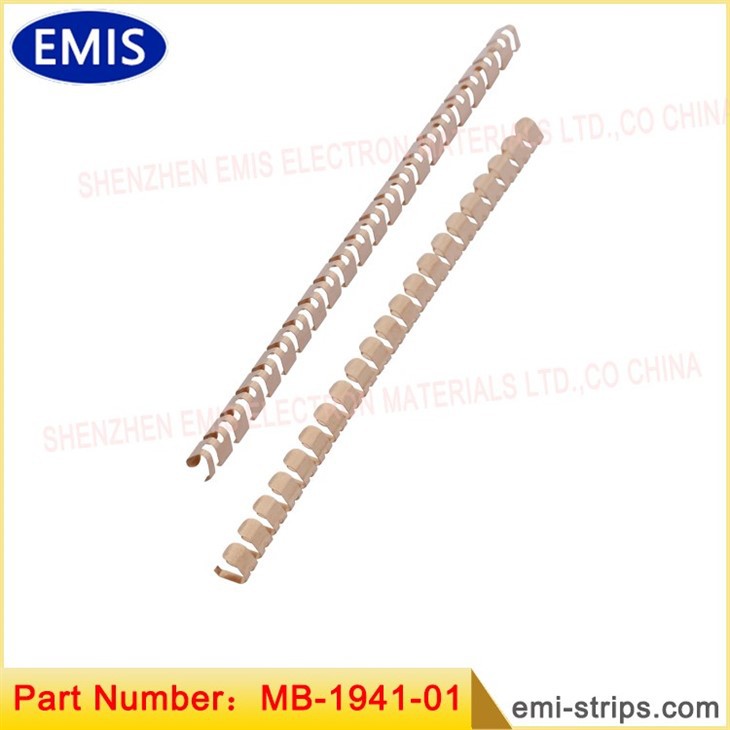
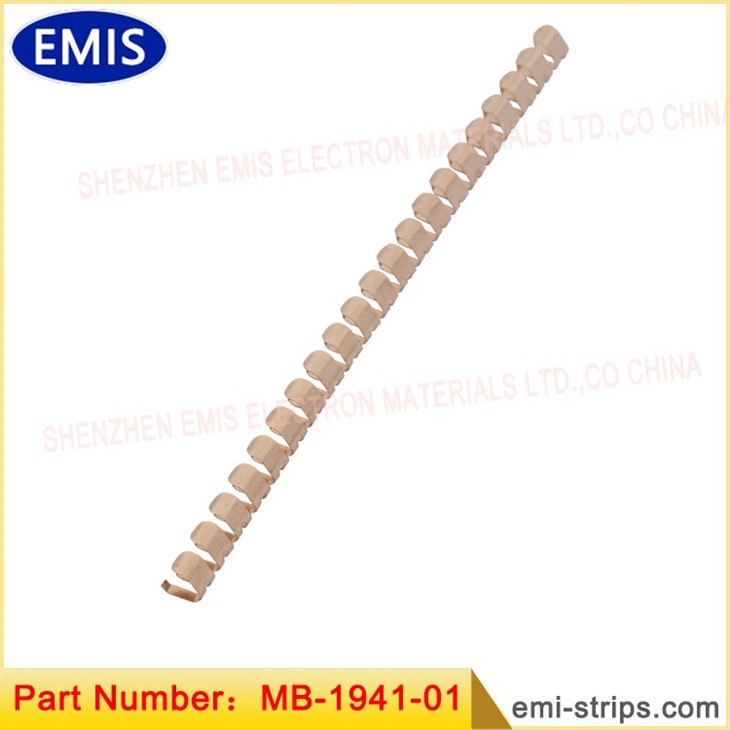
First off, let's talk about what fingerstock actually is. Fingerstock is a type of shielding material made up of thin, flexible metal fingers that are typically arranged in a parallel pattern. These fingers are usually made from materials like beryllium copper (BeCu), which is known for its excellent electrical conductivity, corrosion resistance, and flexibility.
The flexibility of fingerstock is one of its key features. Unlike rigid shielding materials, fingerstock can easily conform to irregular shapes and surfaces. This makes it ideal for applications where a tight seal is required around complex geometries. For example, in electronic enclosures, fingerstock can be used to create a reliable electromagnetic interference (EMI) and radio frequency interference (RFI) shield. The flexible fingers can bend and adapt to the shape of the enclosure, ensuring that there are no gaps where EMI or RFI can leak through.
Another advantage of the flexibility of fingerstock is its ability to accommodate movement and vibration. In applications where components are subject to mechanical stress or movement, such as in aerospace or automotive electronics, fingerstock can maintain its shielding effectiveness. The flexible fingers can flex and move with the components, preventing damage to the shielding and ensuring continuous protection against EMI and RFI.
Let's take a closer look at some of the different types of fingerstock and how their flexibility plays a role in their performance.
Low Profile Hook - on Gasket
The Low Profile Hook - on Gasket is a popular type of fingerstock. Its low - profile design makes it suitable for applications where space is limited. The flexibility of the fingers in this gasket allows it to be easily hooked onto the edges of enclosures or panels. It can conform to the shape of the mounting surface, providing a secure and effective shield. Whether it's a small electronic device or a larger industrial enclosure, the low - profile hook - on gasket can adapt to the specific requirements of the application.
Contact BeCu Finger Strips
Contact BeCu Finger Strips are another example of how fingerstock flexibility is put to good use. These strips are often used in electrical connectors and switches. The flexible BeCu fingers can make reliable electrical contact with other components. They can also withstand repeated mating and unmating cycles without losing their shape or conductivity. This flexibility ensures a stable electrical connection, which is crucial for the proper functioning of electronic systems.
Track and Rivet Mount Fingerstock
The Track and Rivet Mount Fingerstock is designed for more permanent installations. The flexibility of the fingerstock allows it to be easily installed in tracks or riveted onto surfaces. Once installed, it can conform to the shape of the structure, providing long - term EMI and RFI shielding. This type of fingerstock is commonly used in large - scale electronic enclosures and telecommunications equipment.
In addition to its flexibility, fingerstock also offers other benefits. It has a high level of durability, which means it can withstand harsh environmental conditions, including temperature extremes, moisture, and chemical exposure. This makes it suitable for a wide range of industries, from military and aerospace to consumer electronics.
Fingerstock is also relatively easy to install. Thanks to its flexibility, it can be cut to the desired length and shape, making it a versatile solution for different applications. Whether you're a small - scale manufacturer or a large - scale OEM, fingerstock can be customized to meet your specific needs.
When it comes to choosing the right fingerstock for your application, there are a few factors to consider. The first is the material. As mentioned earlier, beryllium copper is a popular choice due to its excellent properties. However, there are other materials available as well, such as stainless steel, which may be more suitable for applications where cost is a major concern or where a higher level of corrosion resistance is required.
The thickness and width of the fingers also play a role in the flexibility and performance of the fingerstock. Thinner fingers are generally more flexible but may have lower mechanical strength. On the other hand, thicker fingers offer greater strength but may be less flexible. The width of the fingers can affect the contact area and the shielding effectiveness.
The spacing between the fingers is another important factor. A smaller spacing can provide better shielding but may reduce the flexibility of the fingerstock. A larger spacing, on the other hand, can increase flexibility but may result in a slightly lower shielding performance.
If you're in the market for fingerstock, I'd be more than happy to help you find the right solution for your needs. Whether you're looking for a specific type of fingerstock, like the low - profile hook - on gasket, contact BeCu finger strips, or track and rivet mount fingerstock, or you need a custom - designed solution, we've got you covered.
We have a team of experts who can work with you to understand your requirements and recommend the best fingerstock product for your application. We also offer high - quality products at competitive prices, and we're committed to providing excellent customer service.
So, if you're interested in learning more about fingerstock or would like to discuss a potential purchase, don't hesitate to get in touch. We're here to help you find the perfect shielding solution for your project.
References
- "Electromagnetic Interference Shielding Handbook"
- Industry reports on electronic shielding materials


