


Insulation resistance is a crucial electrical parameter when it comes to SMT (Surface Mount Technology) Spring Contacts. As a trusted supplier of SMT Spring Contacts, we understand the significance of this parameter and its impact on the performance of electronic devices. In this blog, we will delve into what insulation resistance is, why it matters for SMT Spring Contacts, and how we ensure high - quality insulation resistance in our products.
What is Insulation Resistance?
Insulation resistance is defined as the resistance to the flow of direct current (DC) through an insulating material. It is measured in ohms (Ω) and provides an indication of how well an insulator can prevent the leakage of electric current. In the context of SMT Spring Contacts, insulation resistance is the measure of the resistance between the conducting parts of the spring contact and other conductive elements in the surrounding environment, such as the PCB (Printed Circuit Board) traces or other components.
Mathematically, insulation resistance (R) can be calculated using Ohm's law, (R=\frac{V}{I}), where (V) is the applied voltage and (I) is the resulting leakage current. A high insulation resistance value indicates that very little current is leaking through the insulating material, which is desirable in most electronic applications.
Why Insulation Resistance Matters for SMT Spring Contacts
- Electrical Isolation: SMT Spring Contacts are often used in electronic circuits where different electrical signals need to be isolated from each other. High insulation resistance ensures that there is minimal cross - talk between different signals, which can cause interference and degrade the performance of the circuit. For example, in a multi - channel audio amplifier, proper insulation between the different channels' spring contacts prevents signal leakage and ensures clear sound output.
- Safety: In electronic devices, especially those that are connected to high - voltage sources, adequate insulation resistance is essential for safety reasons. If the insulation resistance of SMT Spring Contacts is too low, it can lead to electrical leakage, which may pose a risk of electric shock to users or cause damage to the device.
- Reliability: Over time, low insulation resistance can lead to increased power consumption, overheating, and premature failure of the electronic components. By maintaining a high insulation resistance, SMT Spring Contacts can ensure the long - term reliability of the electronic devices in which they are used.
Factors Affecting the Insulation Resistance of SMT Spring Contacts
- Material Selection: The choice of insulating materials used in the SMT Spring Contacts has a significant impact on their insulation resistance. High - quality insulating polymers, such as polyimide or PTFE (Polytetrafluoroethylene), can provide excellent insulation properties. At our company, we carefully select the materials for our SMT Spring Contacts to ensure optimal insulation resistance.
- Surface Contamination: Contaminants on the surface of the spring contacts, such as dust, moisture, or conductive particles, can reduce the insulation resistance. During the manufacturing process, we implement strict cleaning and packaging procedures to minimize surface contamination.
- Temperature and Humidity: Changes in temperature and humidity can affect the insulation resistance of SMT Spring Contacts. Generally, as the temperature increases, the insulation resistance decreases. High humidity can also cause moisture absorption by the insulating materials, leading to a reduction in insulation resistance. Our products are designed to perform well within a wide range of temperature and humidity conditions.
How We Ensure High Insulation Resistance in Our SMT Spring Contacts
As a leading supplier of SMT Spring Contacts, we have a comprehensive quality control system in place to ensure high insulation resistance in our products.
- Material Testing: We source high - quality materials from reliable suppliers and conduct thorough material testing before using them in the production of SMT Spring Contacts. This includes testing the insulation resistance of the raw materials to ensure they meet our strict quality standards.
- Manufacturing Process Control: Our manufacturing process is carefully controlled to minimize any factors that could affect the insulation resistance. We use advanced manufacturing techniques and equipment to ensure consistent quality in every product. For example, during the soldering process, we ensure that there is no solder bridging or other defects that could compromise the insulation.
- Final Product Testing: Before shipping our products, each SMT Spring Contact undergoes rigorous final testing. We use specialized testing equipment to measure the insulation resistance at different voltages and environmental conditions. Only products that meet our specified insulation resistance requirements are released for sale.
Our Product Range and Insulation Resistance
We offer a wide range of SMT Spring Contacts, each designed to meet the specific needs of different applications.
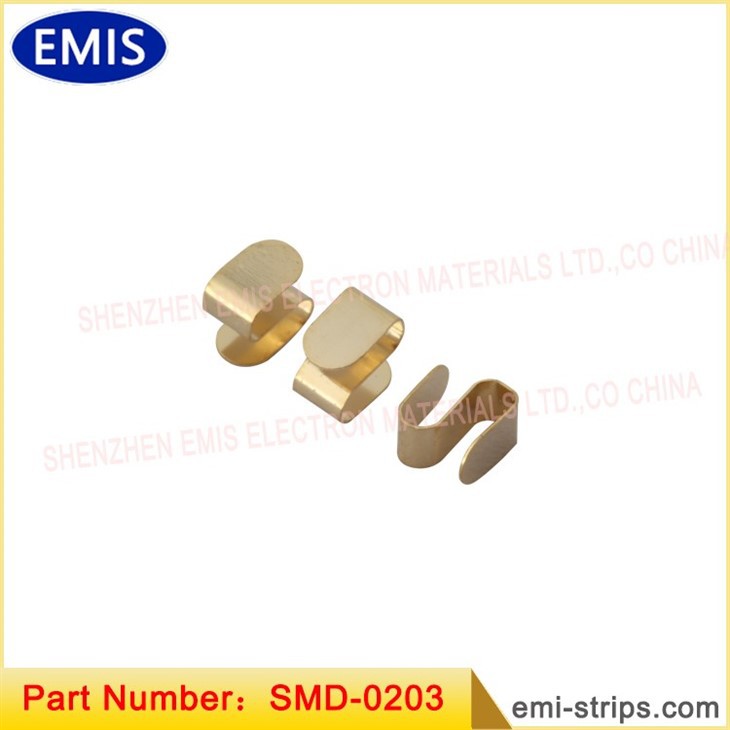
- Dedicated SMD Shrapnel for PCB Board: These spring contacts are specifically designed for PCB boards. They are made with high - quality insulating materials and undergo strict quality control to ensure excellent insulation resistance. They are suitable for applications where reliable electrical isolation is required on the PCB.
- SMT EMI Contact Finger: Our SMT EMI Contact Fingers not only provide effective electromagnetic interference (EMI) shielding but also have high insulation resistance. This makes them ideal for use in electronic devices where both EMI protection and electrical isolation are important.
- SMD Gold Plated Spring: The SMD Gold Plated Springs offer good electrical conductivity and high insulation resistance. The gold plating provides corrosion resistance, while the carefully selected insulating materials ensure reliable electrical isolation.
Conclusion
Insulation resistance is a vital parameter for SMT Spring Contacts. It affects the electrical isolation, safety, and reliability of electronic devices. As a professional SMT Spring Contacts supplier, we are committed to providing high - quality products with excellent insulation resistance. Our strict quality control measures, from material selection to final product testing, ensure that our customers receive products that meet their performance requirements.
If you are in need of high - quality SMT Spring Contacts with reliable insulation resistance, we invite you to contact us for procurement and further discussion. We are ready to provide you with the best solutions for your electronic applications.

References
- Grob, Bernard. “Basic Electronics.” McGraw - Hill Education, 2007.
- Boylestad, Robert L., and Nashelsky, Louis. “Electronic Devices and Circuit Theory.” Pearson, 2017.
- “Insulation Resistance Testing Handbook.” Megger Group Limited, 2015.


