


What is the best plating for SMT Spring Contacts in different applications?
As a leading supplier of SMT Spring Contacts, I often encounter inquiries from customers regarding the most suitable plating for their specific applications. Plating plays a crucial role in the performance, durability, and overall functionality of SMT Spring Contacts. In this blog post, I will delve into the various plating options available and discuss their suitability for different applications.
Understanding the Role of Plating in SMT Spring Contacts
Plating is the process of applying a thin layer of metal onto the surface of a substrate, in this case, the SMT Spring Contact. The primary purposes of plating include enhancing conductivity, preventing corrosion, improving solderability, and reducing friction. Different plating materials offer distinct properties, making them more or less suitable for specific applications.
Common Plating Materials for SMT Spring Contacts
1. Gold Plating
Gold is one of the most popular plating materials for SMT Spring Contacts due to its excellent electrical conductivity, corrosion resistance, and low contact resistance. Gold-plated contacts provide a stable and reliable electrical connection, making them ideal for high-performance applications where signal integrity is critical. Additionally, gold is biocompatible, which makes it suitable for medical devices and other applications where contact with the human body is possible.
However, gold is a relatively expensive material, which can increase the cost of the SMT Spring Contacts. As a result, gold plating is typically used in applications where the benefits outweigh the cost, such as aerospace, military, and high-end consumer electronics.
2. Silver Plating
Silver is another excellent conductor of electricity and offers good solderability. Silver-plated contacts are commonly used in applications where high conductivity is required, such as power electronics and RF applications. Silver also has antibacterial properties, which makes it suitable for medical and food processing applications.
However, silver is prone to tarnishing when exposed to sulfur-containing compounds in the environment, which can increase the contact resistance over time. To mitigate this issue, silver-plated contacts are often coated with a thin layer of protective material, such as gold or palladium.
3. Nickel Plating
Nickel is a hard and durable metal that provides excellent corrosion resistance. Nickel-plated contacts are commonly used in applications where the contacts are exposed to harsh environments, such as automotive and industrial applications. Nickel also provides a good base for subsequent plating, such as gold or silver, which can improve the conductivity and solderability of the contacts.
However, nickel is a ferromagnetic material, which can introduce magnetic interference in some applications. Additionally, nickel can cause allergic reactions in some individuals, which limits its use in medical and consumer electronics applications.
4. Tin Plating
Tin is a relatively inexpensive and widely available metal that offers good solderability. Tin-plated contacts are commonly used in applications where cost is a major consideration, such as consumer electronics and automotive applications. Tin also provides good corrosion resistance in most environments.
However, tin is a relatively soft metal, which can make the contacts prone to wear and deformation over time. Additionally, tin can form tin whiskers, which are tiny conductive filaments that can cause short circuits in electronic devices. To mitigate this issue, tin-plated contacts are often alloyed with other metals, such as copper or silver, to reduce the risk of tin whisker formation.
Choosing the Right Plating for Different Applications
The choice of plating for SMT Spring Contacts depends on several factors, including the application requirements, the operating environment, and the cost. Here are some guidelines to help you choose the right plating for your specific application:
1. High-Performance Applications
For high-performance applications where signal integrity is critical, such as aerospace, military, and high-end consumer electronics, gold plating is often the best choice. Gold-plated contacts provide a stable and reliable electrical connection, even in harsh environments. Additionally, gold is biocompatible, which makes it suitable for medical devices and other applications where contact with the human body is possible.
2. Power Electronics Applications
In power electronics applications where high conductivity is required, silver plating is often a good choice. Silver-plated contacts offer excellent electrical conductivity and solderability, which makes them suitable for applications such as power supplies, inverters, and motor controllers. However, silver is prone to tarnishing, so it may be necessary to coat the contacts with a thin layer of protective material, such as gold or palladium.
3. Harsh Environment Applications
For applications where the contacts are exposed to harsh environments, such as automotive and industrial applications, nickel plating is often the best choice. Nickel-plated contacts provide excellent corrosion resistance and durability, even in the presence of chemicals, moisture, and high temperatures. Additionally, nickel provides a good base for subsequent plating, such as gold or silver, which can improve the conductivity and solderability of the contacts.
4. Cost-Sensitive Applications
In cost-sensitive applications, such as consumer electronics and automotive applications, tin plating is often the preferred choice. Tin-plated contacts offer good solderability and corrosion resistance at a relatively low cost. However, tin is a relatively soft metal, which can make the contacts prone to wear and deformation over time. Additionally, tin can form tin whiskers, which can cause short circuits in electronic devices. To mitigate this issue, tin-plated contacts are often alloyed with other metals, such as copper or silver, to reduce the risk of tin whisker formation.
Our SMT Spring Contacts and Plating Options
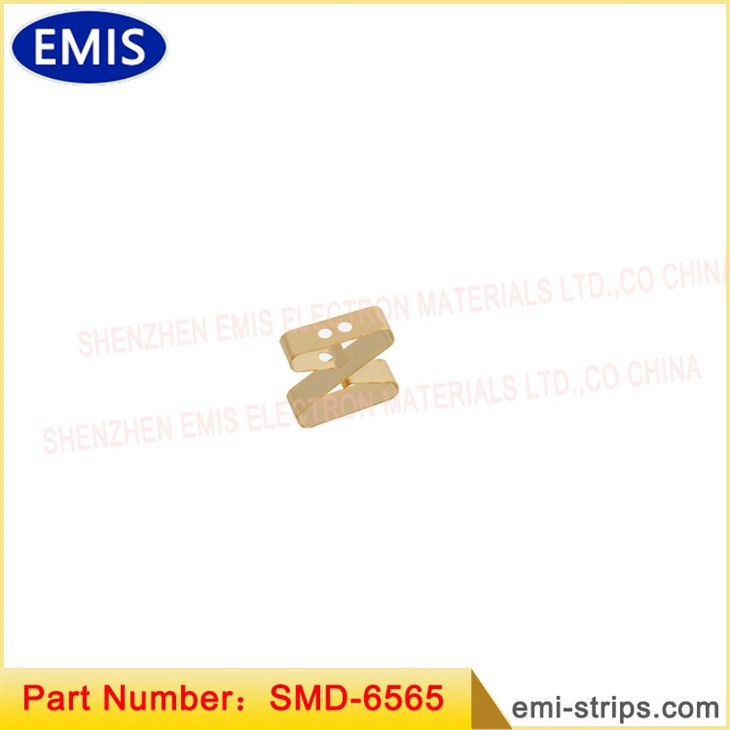
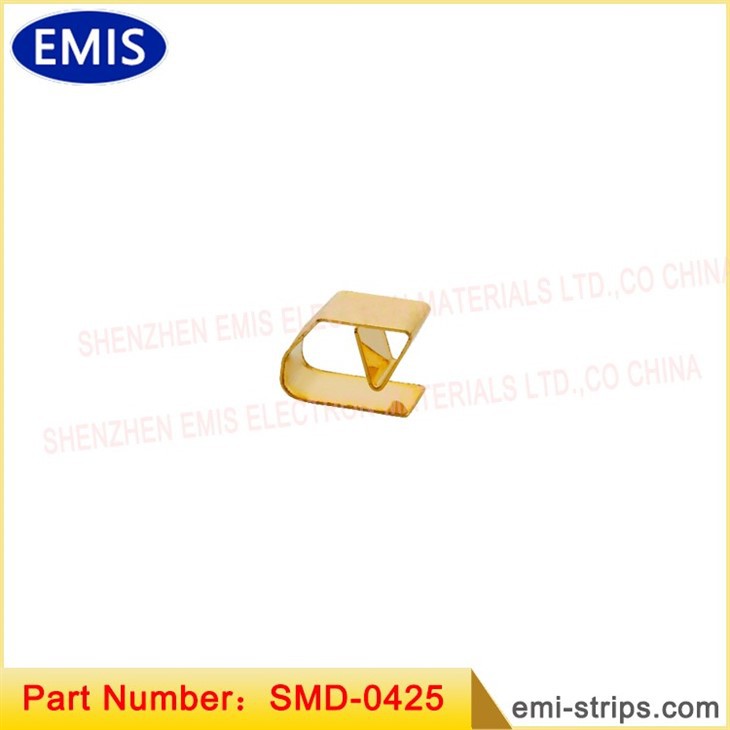
At our company, we offer a wide range of SMT Spring Contacts with different plating options to meet the diverse needs of our customers. Our Dedicated SMD Shrapnel for PCB Board is available with gold, silver, nickel, and tin plating, allowing you to choose the plating that best suits your application requirements. Similarly, our Electrical Contact Spring and SMT EMI Contact Finger also come with various plating options to ensure optimal performance in different environments.
Conclusion
Choosing the right plating for SMT Spring Contacts is crucial to ensure optimal performance, durability, and reliability in different applications. By understanding the properties and characteristics of different plating materials, you can make an informed decision based on your specific application requirements, operating environment, and cost considerations. At our company, we are committed to providing high-quality SMT Spring Contacts with the right plating options to meet your needs. If you have any questions or need further assistance in selecting the appropriate plating for your application, please feel free to contact us for a consultation and procurement discussion.
References
- "Electroplating for Electronic Applications" by James D. Reid
- "Handbook of Electronic Materials and Processes" by John A. Eldridge
- "Surface Finishes for Printed Circuit Boards" by IPC


