


Yo, folks! I'm an SMD Gold Plated Spring supplier, and today I wanna chat about the acoustic property of these little wonders. SMD Gold Plated Springs are pretty cool components used in all sorts of electronic devices. But not many people know about their acoustic side, so let's dig in!
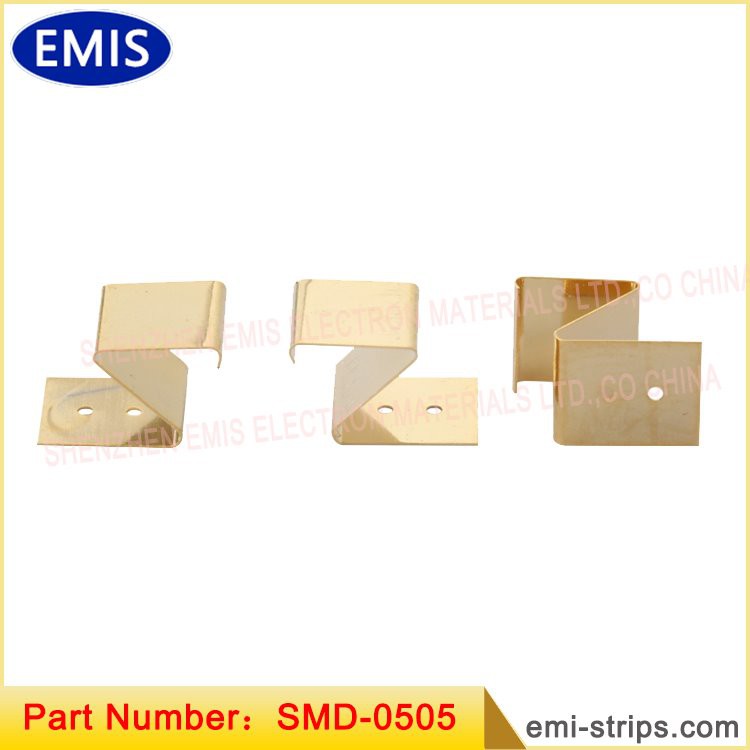
First off, what exactly are SMD Gold Plated Springs? Well, they're surface - mount device springs that have a layer of gold plating on them. The gold plating isn't just for show; it offers excellent corrosion resistance and good electrical conductivity. These springs are commonly used in things like mobile phones, tablets, and other small electronic gadgets.
Now, let's talk about their acoustic property. When it comes to acoustics, we're mainly interested in how these springs interact with sound waves or how they might produce sound themselves.
One important aspect is the vibration characteristics of SMD Gold Plated Springs. When a force is applied to the spring, it starts to vibrate. The frequency and amplitude of these vibrations depend on several factors, such as the spring's material, its dimensions (like length, thickness, and coil diameter), and the stiffness of the spring.
The material of the spring plays a big role. For instance, the base metal beneath the gold plating affects how the spring vibrates. Some metals are more elastic than others, which means they can store and release energy more efficiently during vibration. This can result in different acoustic frequencies being produced.
The dimensions of the spring are also crucial. A longer spring generally has a lower natural frequency of vibration compared to a shorter one. Similarly, a thicker spring or one with a larger coil diameter might have different vibration patterns. These differences in vibration frequencies can lead to variations in the sound produced by the spring when it's excited.
In electronic devices, the acoustic property of SMD Gold Plated Springs can have both positive and negative impacts. On the positive side, they can be used in some acoustic sensors. For example, in a microphone - like device, the spring's vibration can be used to detect sound waves. When sound waves hit the spring, it vibrates, and this vibration can be converted into an electrical signal.
On the negative side, unwanted vibrations in the spring can cause noise in the device. This is especially a concern in high - precision electronic devices where any form of noise can disrupt the normal operation. For example, in a mobile phone, if the SMD Gold Plated Spring inside vibrates due to external shocks or the movement of other components, it can produce a buzzing or rattling sound that can be really annoying for the user.
To control the acoustic property of these springs, manufacturers often use different techniques. One common method is to adjust the spring's design parameters during the manufacturing process. By carefully choosing the right material, dimensions, and manufacturing process, we can fine - tune the spring's vibration characteristics to meet the specific requirements of the application.

Another way is to use damping materials. Damping materials can absorb the energy of the spring's vibration, reducing the amplitude of the vibration and thus minimizing the noise produced. For example, a small layer of rubber or foam can be placed around the spring to dampen its vibrations.
Now, let's take a look at how SMD Gold Plated Springs compare to other related components in terms of acoustic property.
SMT Spring Contacts are similar in that they are also used in electronic devices. However, their acoustic properties can be quite different. SMT Spring Contacts are often designed more for electrical contact purposes, and their vibration characteristics might be optimized for that function rather than for acoustic performance. But in some cases, they can also contribute to noise in the device if their vibrations are not properly controlled.
Electrical Contact Spring is another related component. These springs are mainly focused on providing a stable electrical connection. While they may also vibrate, their acoustic behavior is usually a secondary consideration. But again, in high - end electronic devices, even a small amount of noise from these springs can be a problem.
SMT EMI Contact Finger is used for electromagnetic interference (EMI) shielding. Their acoustic property is not typically the main focus, but they can also interact with sound waves in the device environment. For example, if they vibrate due to electromagnetic forces, they can produce sound.
As an SMD Gold Plated Spring supplier, I understand the importance of getting the acoustic property right. We work closely with our customers to understand their specific needs. Whether it's for an acoustic sensor application where we need to enhance the spring's vibration sensitivity or for a noise - sensitive device where we need to minimize the spring's noise production, we have the expertise to design and manufacture the right springs.
If you're in the market for SMD Gold Plated Springs and want to discuss how their acoustic property can fit into your product, I'd love to have a chat with you. You can reach out to me, and we can start a conversation about your requirements. Whether you need a custom - designed spring or just some advice on optimizing the acoustic performance of your existing design, I'm here to help.
In conclusion, the acoustic property of SMD Gold Plated Springs is a complex but important aspect. By understanding the factors that affect their vibration and sound production, and by using appropriate control techniques, we can ensure that these springs perform well in a wide range of electronic applications. So, don't hesitate to contact me if you're interested in learning more or making a purchase.
References:
- Textbooks on mechanical vibrations and spring design
- Industry reports on electronic component performance
- Research papers on the acoustic behavior of small - scale mechanical components


