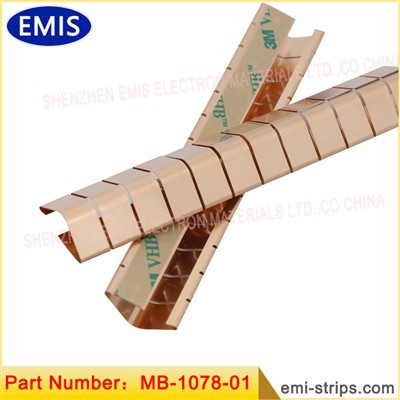

Hey there! As a supplier of EMC BeCu Strips, I'm super stoked to spill the beans on the technical specifications of these bad boys. EMC BeCu Strips, short for Electromagnetic Compatibility Beryllium Copper Strips, are like the unsung heroes in the world of electronics and electromagnetic shielding.
Let's kick things off with the basics. Beryllium copper, or BeCu for short, is an alloy that combines the strength and conductivity of copper with the added bonus of beryllium. This unique combination gives EMC BeCu Strips some pretty amazing properties that make them a top choice for a wide range of applications.
Physical Properties
First up, let's talk about the physical properties of EMC BeCu Strips. These strips are known for their high strength and excellent flexibility. They can be easily bent, formed, and shaped to fit just about any application. Whether you need a simple straight strip or a complex custom shape, EMC BeCu Strips can handle it.
The density of beryllium copper is around 8.3 g/cm³, which is similar to that of other copper alloys. This means that EMC BeCu Strips are relatively lightweight, making them easy to handle and install. They also have a high melting point of around 1030°C, which makes them suitable for use in high-temperature environments.
Another important physical property of EMC BeCu Strips is their surface finish. These strips typically have a smooth, polished surface that helps to reduce friction and wear. This is especially important in applications where the strips will be in contact with other components or materials.
Electrical Properties
Now, let's move on to the electrical properties of EMC BeCu Strips. One of the key advantages of using beryllium copper in these strips is its high electrical conductivity. Copper is already a great conductor of electricity, and the addition of beryllium only enhances this property.
EMC BeCu Strips have an electrical conductivity of around 22% IACS (International Annealed Copper Standard). This means that they can carry a significant amount of electrical current without experiencing excessive resistance or heat buildup. This makes them ideal for use in applications where high electrical conductivity is required, such as in electrical connectors, switches, and circuit boards.
In addition to their high electrical conductivity, EMC BeCu Strips also have excellent electromagnetic shielding properties. They can effectively block electromagnetic interference (EMI) and radio frequency interference (RFI), which can cause problems in electronic devices. This makes them a popular choice for use in applications where EMI and RFI shielding is critical, such as in military and aerospace electronics, telecommunications equipment, and medical devices.
Mechanical Properties
Next, let's take a look at the mechanical properties of EMC BeCu Strips. These strips are known for their high strength and excellent fatigue resistance. They can withstand repeated bending, flexing, and stretching without breaking or losing their shape.
The tensile strength of EMC BeCu Strips can range from around 400 MPa to over 1200 MPa, depending on the specific alloy and heat treatment. This makes them much stronger than other copper alloys and even some steels. Their yield strength is also relatively high, which means that they can withstand a significant amount of stress before they start to deform.
In addition to their high strength, EMC BeCu Strips also have excellent ductility. This means that they can be easily formed and shaped without cracking or breaking. They can be bent, rolled, stamped, and machined to create a wide variety of shapes and sizes.
Chemical Properties
Finally, let's talk about the chemical properties of EMC BeCu Strips. Beryllium copper is a relatively stable alloy that is resistant to corrosion and oxidation. It can withstand exposure to a wide range of chemicals and environments without deteriorating or losing its properties.
However, it's important to note that beryllium is a toxic element, and proper safety precautions must be taken when handling EMC BeCu Strips. Exposure to beryllium dust or fumes can cause serious health problems, such as berylliosis, a chronic lung disease. Therefore, it's important to follow all safety guidelines and regulations when working with these strips.
Applications
Now that we've covered the technical specifications of EMC BeCu Strips, let's take a look at some of the common applications for these strips.
One of the most common applications for EMC BeCu Strips is in electromagnetic shielding. These strips can be used to create a conductive barrier that blocks EMI and RFI from entering or leaving electronic devices. They are often used in the enclosures of electronic equipment, such as computers, servers, and telecommunications devices, to prevent interference from other devices or external sources.
EMC BeCu Strips are also commonly used in electrical connectors and switches. Their high electrical conductivity and excellent mechanical properties make them ideal for use in these applications. They can provide a reliable electrical connection and withstand the repeated插拔 and switching that occurs in these devices.
Another application for EMC BeCu Strips is in circuit boards. These strips can be used to create conductive traces and pads on the surface of the circuit board. Their high electrical conductivity and excellent solderability make them a popular choice for use in this application.
In addition to these applications, EMC BeCu Strips are also used in a wide variety of other industries and applications, such as automotive, aerospace, medical, and consumer electronics.
Conclusion
Well, there you have it! That's a brief overview of the technical specifications of EMC BeCu Strips. As you can see, these strips have some pretty amazing properties that make them a top choice for a wide range of applications.

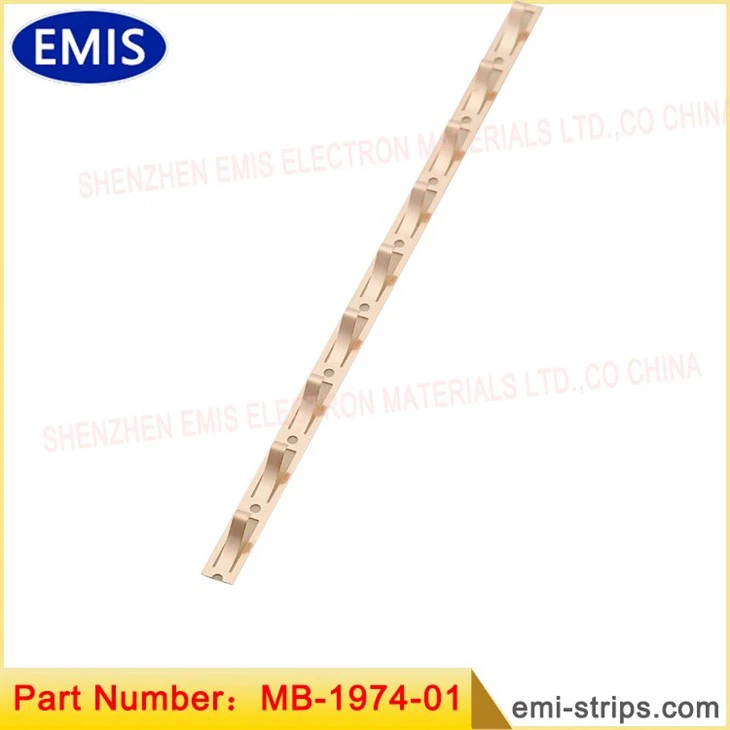
If you're in the market for EMC BeCu Strips, I'd love to hear from you. We offer a wide range of EMC BeCu Strips in different sizes, shapes, and alloys to meet your specific needs. Whether you need a standard strip or a custom-made solution, we can help.
So, if you're interested in learning more about our EMC BeCu Strips or would like to place an order, please don't hesitate to [contact us]. We'd be happy to answer any questions you may have and provide you with a quote.
Thanks for reading!
References
- "Beryllium Copper Alloys: Properties, Processing, and Applications" by ASM International
- "Electromagnetic Compatibility Engineering" by Henry W. Ott
- "Copper and Copper Alloys" by ASM Specialty Handbook
And here are the links you requested: