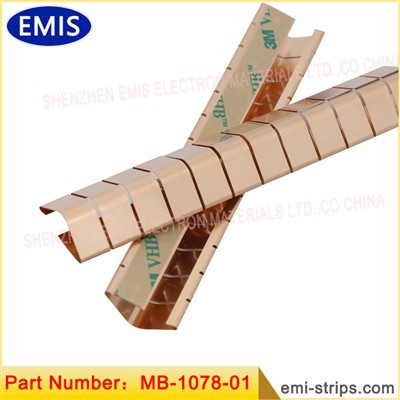

Hey there! As a supplier of PCB Spring Contacts, I've seen firsthand how crucial it is for these little components to last. In this blog, I'm gonna share some tips on how to improve the durability of PCB Spring Contacts.
Understanding PCB Spring Contacts
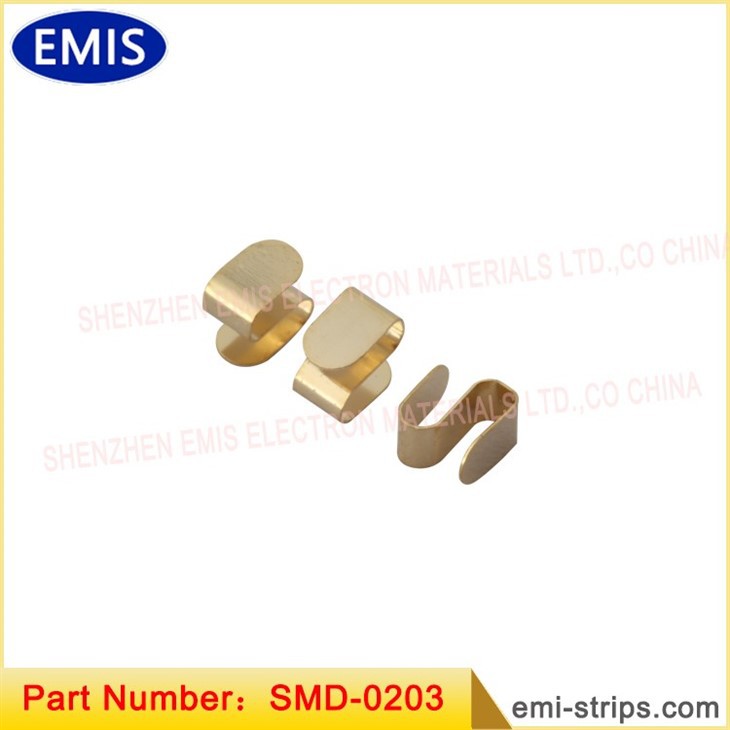
First off, let's quickly go over what PCB Spring Contacts are. They're those nifty little springs that provide electrical connections on printed circuit boards (PCBs). You can find them in all sorts of electronic devices, from smartphones to laptops. There are different types, like the SMD Gold Plated Spring, Electrical Contact Spring, and Dedicated SMD Shrapnel for PCB Board. Each type has its own unique features and applications.
Material Selection
One of the most important factors in improving the durability of PCB Spring Contacts is the material you choose. The right material can withstand wear and tear, corrosion, and other environmental factors. Here are some common materials and their pros and cons:
Stainless Steel
Stainless steel is a popular choice because it's strong, corrosion-resistant, and relatively inexpensive. It can handle high temperatures and is suitable for a wide range of applications. However, it may not have the best electrical conductivity compared to some other materials.
Phosphor Bronze
Phosphor bronze is known for its excellent electrical conductivity and good spring properties. It's also resistant to corrosion and has a relatively low coefficient of friction. This makes it a great choice for applications where low contact resistance is important. But it can be a bit more expensive than stainless steel.
Beryllium Copper
Beryllium copper is a high-performance material that offers excellent electrical and thermal conductivity, as well as high strength and fatigue resistance. It's often used in applications where reliability and durability are critical, such as aerospace and military electronics. However, beryllium copper is toxic, so special handling and safety precautions are required during manufacturing.
Surface Treatment
Another way to improve the durability of PCB Spring Contacts is through surface treatment. A good surface treatment can protect the contact from corrosion, reduce friction, and improve electrical conductivity. Here are some common surface treatments:

Gold Plating
Gold plating is one of the most popular surface treatments for PCB Spring Contacts. Gold is highly resistant to corrosion and has excellent electrical conductivity. It also provides a smooth surface, which reduces friction and wear. However, gold plating can be expensive, so it's usually used in applications where high performance is required.
Nickel Plating
Nickel plating is a more affordable alternative to gold plating. It offers good corrosion resistance and can improve the hardness of the contact. Nickel plating can also be used as an undercoat for other surface treatments, such as gold plating.
Tin Plating
Tin plating is commonly used in low-cost applications. It's relatively inexpensive and provides good solderability. However, tin can be prone to whisker growth, which can cause short circuits in some cases.
Design Considerations
The design of the PCB Spring Contact also plays a crucial role in its durability. Here are some design tips to keep in mind:
Spring Geometry
The geometry of the spring affects its mechanical properties, such as its stiffness and fatigue life. A well-designed spring should have a uniform stress distribution to avoid stress concentrations, which can lead to premature failure.
Contact Area
The contact area between the spring and the PCB is important for electrical conductivity and wear resistance. A larger contact area can reduce contact resistance and distribute the load more evenly, which can improve the durability of the contact.
Clearance and Tolerance
Proper clearance and tolerance are essential to ensure that the spring can move freely without binding or interference. This can prevent excessive wear and damage to the spring and the PCB.
Manufacturing Process
The manufacturing process can also impact the durability of PCB Spring Contacts. Here are some things to consider:
Precision Machining
Precision machining is crucial to ensure that the spring has the correct dimensions and shape. Any deviations in the manufacturing process can affect the performance and durability of the spring.
Heat Treatment
Heat treatment can improve the mechanical properties of the spring, such as its hardness and strength. Proper heat treatment can also relieve internal stresses, which can prevent premature failure.
Quality Control
Quality control is essential throughout the manufacturing process. This includes inspecting the raw materials, monitoring the manufacturing process, and testing the finished products. By ensuring that each spring meets the required specifications, you can improve the overall durability of the PCB Spring Contacts.
Environmental Factors
Finally, it's important to consider the environmental factors that the PCB Spring Contacts will be exposed to. Here are some common environmental factors and how they can affect the durability of the contacts:
Temperature
Extreme temperatures can cause the spring to expand or contract, which can affect its mechanical properties. High temperatures can also accelerate corrosion and oxidation, while low temperatures can make the spring more brittle.
Humidity
Humidity can cause corrosion and oxidation of the spring and the PCB. In high-humidity environments, it's important to use materials and surface treatments that are resistant to moisture.
Vibration and Shock
Vibration and shock can cause the spring to move and wear against the PCB. This can lead to fatigue failure and damage to the contact. In applications where vibration and shock are common, it's important to design the spring to withstand these forces.
Conclusion
Improving the durability of PCB Spring Contacts requires a combination of factors, including material selection, surface treatment, design considerations, manufacturing process, and environmental factors. By paying attention to these factors, you can ensure that your PCB Spring Contacts last longer and perform better.
If you're in the market for high-quality PCB Spring Contacts, I'd love to talk to you. Whether you need SMD Gold Plated Spring, Electrical Contact Spring, or Dedicated SMD Shrapnel for PCB Board, I can provide you with the best products and solutions. Let's have a chat about your specific needs and see how we can work together to improve the performance and durability of your electronic devices.
References
- "Handbook of Spring Design and Applications"
- "Materials Science and Engineering: An Introduction"
- "Electrical Contacts: Principles and Applications"