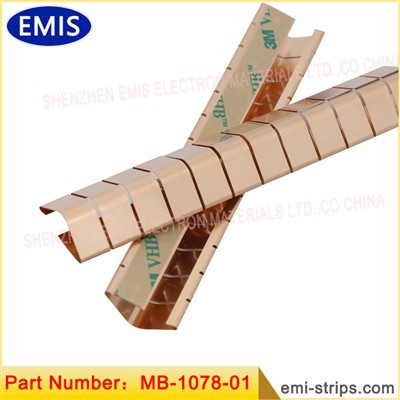

EMI (Electromagnetic Interference) contact strips are essential components in various electronic devices and systems, providing a reliable electrical connection and shielding against electromagnetic interference. As a supplier of EMI contact strips, I often encounter customers facing problems with these products. In this blog post, I will share some common issues with EMI contact strips and how to troubleshoot them.
Common Problems with EMI Contact Strips
1. Poor Electrical Contact
One of the most common problems with EMI contact strips is poor electrical contact. This can be caused by several factors, including contamination, oxidation, or improper installation. When the electrical contact is poor, the EMI shielding effectiveness of the contact strip is reduced, leading to increased electromagnetic interference.
Contamination: Dirt, dust, or other contaminants can accumulate on the surface of the EMI contact strip, preventing a good electrical connection. This can be especially problematic in harsh environments or areas with high levels of pollution.
Oxidation: Over time, the metal surface of the EMI contact strip can oxidize, forming a layer of oxide that inhibits electrical conductivity. Oxidation is more likely to occur in humid or corrosive environments.
Improper Installation: If the EMI contact strip is not installed correctly, it may not make proper contact with the mating surface. This can be due to incorrect positioning, insufficient compression, or damage to the contact strip during installation.
2. Physical Damage
Physical damage to the EMI contact strip can also cause problems. This can include bending, breaking, or tearing of the contact fingers or the strip itself. Physical damage can occur during handling, installation, or normal use of the device.


Bending or Breaking: If the EMI contact strip is bent or broken, it may not be able to make proper contact with the mating surface, reducing its shielding effectiveness.
Tearing: Tearing of the contact fingers or the strip can also occur, especially if the contact strip is subjected to excessive stress or abrasion.
3. Insufficient Shielding Effectiveness
Even if the EMI contact strip is in good physical condition and has good electrical contact, it may still not provide sufficient shielding effectiveness. This can be due to several factors, including incorrect material selection, improper design, or insufficient compression.
Incorrect Material Selection: Different materials have different shielding properties, and choosing the wrong material for a particular application can result in insufficient shielding effectiveness.
Improper Design: The design of the EMI contact strip, including the shape, size, and number of contact fingers, can also affect its shielding effectiveness. If the design is not optimized for the specific application, the shielding performance may be compromised.
Insufficient Compression: The EMI contact strip needs to be compressed to a certain degree to ensure good electrical contact and shielding effectiveness. If the compression is insufficient, the shielding performance may be reduced.
Troubleshooting Steps
1. Visual Inspection
The first step in troubleshooting problems with EMI contact strips is to perform a visual inspection. Check the contact strip for any signs of physical damage, such as bending, breaking, or tearing. Also, look for any signs of contamination or oxidation on the surface of the contact strip.
If you notice any physical damage, you may need to replace the contact strip. If there is contamination or oxidation, you can try cleaning the contact strip using a suitable cleaning agent.
2. Check Electrical Contact
To check the electrical contact of the EMI contact strip, you can use a multimeter to measure the resistance between the contact strip and the mating surface. A low resistance value indicates good electrical contact, while a high resistance value may indicate poor contact.
If the resistance is high, you can try cleaning the contact strip and the mating surface to remove any contaminants or oxidation. You can also check the installation of the contact strip to ensure that it is properly positioned and compressed.
3. Evaluate Shielding Effectiveness
To evaluate the shielding effectiveness of the EMI contact strip, you can use a spectrum analyzer or other EMI testing equipment to measure the electromagnetic interference levels before and after installing the contact strip. If the shielding effectiveness is insufficient, you may need to consider the following steps:
Material Selection: Review the material selection of the EMI contact strip to ensure that it is suitable for the specific application. For example, if the application requires high shielding effectiveness in a wide frequency range, you may need to choose a material with better shielding properties, such as beryllium copper (BeCu). You can find more information about our Shielded Door BeCu Strips.
Design Optimization: Consider optimizing the design of the EMI contact strip, such as increasing the number of contact fingers or changing the shape of the contact fingers, to improve its shielding effectiveness. Our Single Slot BeCu Finger Stock 0077001002 is designed for high-performance EMI shielding.
Compression Adjustment: Check the compression of the EMI contact strip to ensure that it is sufficient. If the compression is insufficient, you can try increasing the compression force or using a different type of contact strip with a higher compression rating. Our Low Profile and Grounding BeCu Gasket is designed to provide excellent grounding and shielding performance with low compression requirements.
4. Seek Technical Support
If you are still unable to troubleshoot the problem with the EMI contact strip, or if you have any questions about the product, you can seek technical support from our team. Our experienced engineers can provide you with expert advice and assistance to help you resolve the issue.
Conclusion
Troubleshooting problems with EMI contact strips requires a systematic approach, including visual inspection, checking electrical contact, evaluating shielding effectiveness, and seeking technical support if necessary. By following these steps, you can identify and resolve common issues with EMI contact strips, ensuring that they provide reliable electrical connection and effective shielding against electromagnetic interference.
If you are facing problems with EMI contact strips or are looking for high-quality EMI contact strips for your application, please feel free to contact us. We are a leading supplier of EMI contact strips, offering a wide range of products and solutions to meet your specific needs. Our team of experts is ready to assist you with product selection, installation, and troubleshooting. Contact us today to start a discussion about your requirements and how we can help you.
References
- "Electromagnetic Compatibility Engineering" by Henry W. Ott
- "EMI/RFI Shielding Handbook" by R. Frederick Schwering