


As a supplier of EMI Contact Strips, I understand the importance of ensuring these products work properly. EMI (Electromagnetic Interference) Contact Strips play a crucial role in preventing electromagnetic interference, which can disrupt the normal operation of electronic devices. In this blog, I'll share some insights on how to determine if EMI Contact Strips are working as they should.
Understanding the Function of EMI Contact Strips
EMI Contact Strips are designed to provide a low - resistance electrical path between two conductive surfaces. This helps to create a shield against electromagnetic waves, both those generated within a device and those coming from external sources. When properly installed and functioning, they can significantly reduce the levels of EMI, protecting sensitive electronic components.
Visual Inspection
The first step in assessing whether EMI Contact Strips are working properly is a visual inspection. Check for any visible signs of damage, such as cracks, breaks, or corrosion. Physical damage can disrupt the electrical conductivity of the strips, rendering them ineffective. For example, if the strip is cracked, the electrical path is broken, and EMI shielding will be compromised.
Inspect the installation of the strips. They should be firmly attached to the surfaces they are meant to connect. Loose or misaligned strips may not provide a continuous electrical connection, which is essential for effective EMI shielding. If you notice that the strips are not properly seated or have come loose, it's likely that they are not working optimally.
Electrical Resistance Testing
One of the most reliable ways to determine if EMI Contact Strips are working is by measuring their electrical resistance. A properly functioning EMI Contact Strip should have a low and consistent resistance. High resistance can indicate a problem, such as poor contact or damage to the strip.
To perform an electrical resistance test, you'll need a multimeter. Set the multimeter to the resistance measurement mode and connect the probes to the two ends of the EMI Contact Strip. Compare the measured resistance with the specifications provided by the manufacturer. If the measured resistance is significantly higher than the recommended value, the strip may not be working properly.
It's important to note that the resistance can be affected by factors such as temperature and humidity. Therefore, it's best to perform the test under controlled environmental conditions. If possible, take multiple measurements at different points along the strip to ensure consistency.
Shielding Effectiveness Testing
Shielding effectiveness is a measure of how well the EMI Contact Strips can reduce electromagnetic interference. This can be a more complex test to perform, but it provides a more comprehensive assessment of the strip's performance.
There are specialized test chambers available for measuring shielding effectiveness. These chambers simulate different electromagnetic environments and measure the reduction in electromagnetic field strength when the EMI Contact Strips are in place. However, these chambers can be expensive and may not be accessible to everyone.
An alternative method is to use a spectrum analyzer. This device can measure the electromagnetic field strength in the frequency range of interest. By comparing the field strength before and after installing the EMI Contact Strips, you can get an idea of their shielding effectiveness. If there is little or no reduction in the field strength, it indicates that the strips are not working effectively.

Compatibility with the Application
EMI Contact Strips need to be compatible with the specific application in which they are used. Different applications may have different requirements in terms of frequency range, environmental conditions, and mechanical stress.
For example, in high - frequency applications, the strips need to have a low inductance to provide effective shielding. If the strips are not designed for high - frequency use, they may not work properly. Similarly, in harsh environmental conditions, such as high temperatures or high humidity, the strips need to be made of materials that can withstand these conditions.
Before using EMI Contact Strips, make sure to carefully review the application requirements and choose the appropriate strips. If the strips are not compatible with the application, they may not work as expected, even if they pass the visual and electrical tests.
Performance over Time
EMI Contact Strips can degrade over time due to factors such as mechanical wear, environmental exposure, and chemical reactions. Therefore, it's important to monitor their performance over time.
Keep a record of the electrical resistance and shielding effectiveness measurements taken at regular intervals. If you notice a gradual increase in resistance or a decrease in shielding effectiveness, it may be a sign that the strips are starting to fail. In such cases, it may be necessary to replace the strips to maintain proper EMI shielding.
Product - Specific Considerations
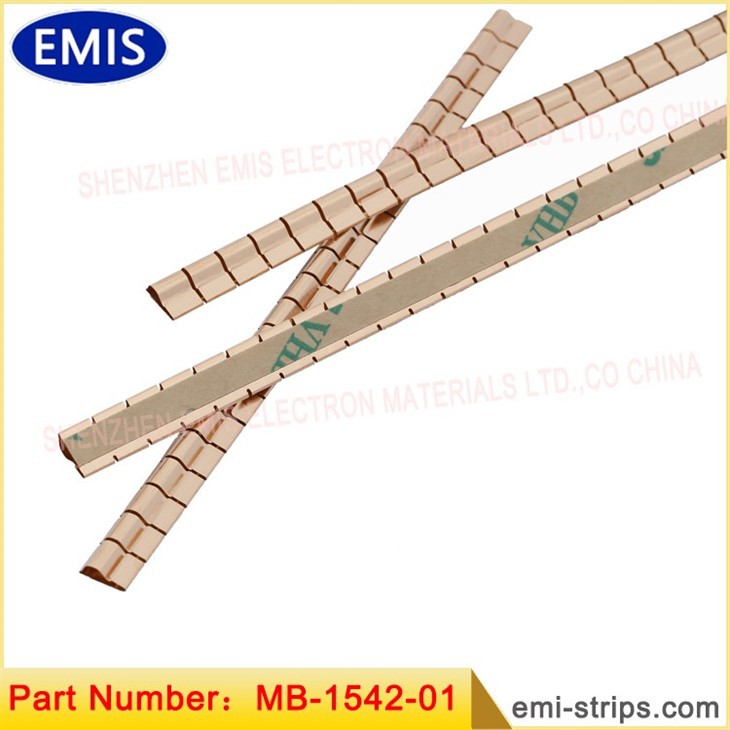
Different types of EMI Contact Strips may have specific considerations for determining their proper functioning. For example, Clip - on Perpendicular Shielding is designed to be easily installed by clipping onto the surfaces. When inspecting these strips, make sure that the clips are securely attached and that the contact between the strip and the surface is good.
Clip - On BeCu Finger Stock 0097061302 is made of beryllium copper, which is known for its good electrical conductivity and mechanical properties. However, beryllium copper can be sensitive to certain chemicals. If the strips are exposed to these chemicals, it may affect their performance. Therefore, check for any signs of chemical corrosion or discoloration.
Standard EMI Strips 0097054202 are more general - purpose strips. They should be inspected for proper alignment and connection, as well as for any signs of physical damage.
Conclusion
Determining if EMI Contact Strips are working properly requires a combination of visual inspection, electrical testing, and consideration of the application requirements. By following these steps, you can ensure that the strips are providing effective electromagnetic shielding.
If you have any questions about the performance of our EMI Contact Strips or if you are interested in purchasing our products, please feel free to reach out. Our team of experts is ready to assist you with your EMI shielding needs and help you find the best solution for your application.
References
- "Electromagnetic Compatibility Engineering" by Henry W. Ott
- Manufacturer's specifications for EMI Contact Strips


