


Can T Lances EMI Gasket be bonded to other materials?
As a supplier of T Lances EMI gaskets, I often encounter inquiries regarding the bonding capabilities of these gaskets to other materials. EMI (Electromagnetic Interference) gaskets play a crucial role in preventing electromagnetic radiation from interfering with sensitive electronic equipment. The T Lances EMI gasket is a specialized type of gasket known for its unique design and excellent shielding performance. In this blog post, I will explore the possibilities and considerations of bonding T Lances EMI gaskets to other materials.
Understanding T Lances EMI Gaskets
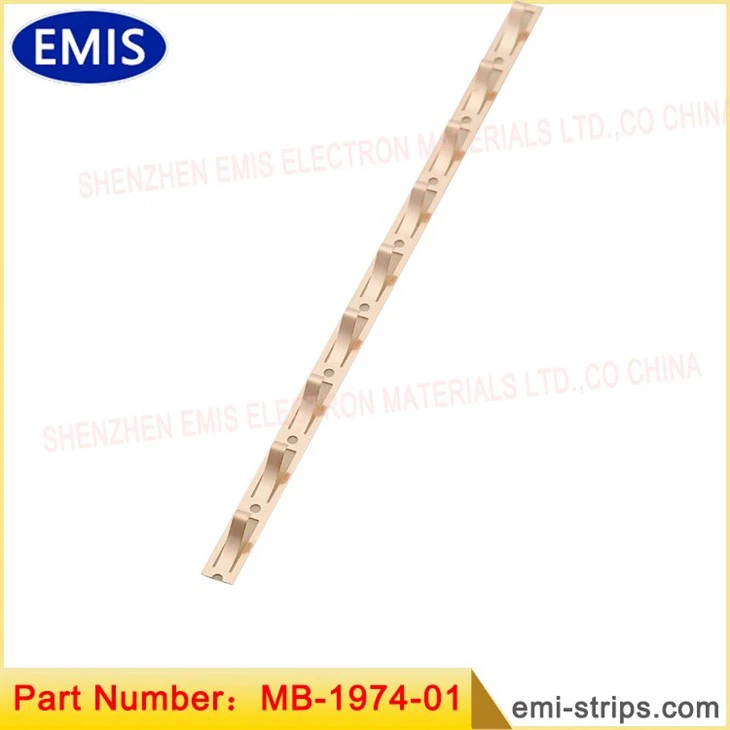
T Lances EMI gaskets are typically made from materials such as beryllium copper (BeCu) or other conductive alloys. These materials offer high electrical conductivity, which is essential for effective EMI shielding. The "T Lances" design refers to the shape of the gasket, which features a series of T-shaped lances that provide multiple contact points with the mating surface, enhancing the shielding effectiveness.
Bonding Methods
There are several methods available for bonding T Lances EMI gaskets to other materials, each with its own advantages and limitations.
- Adhesive Bonding
Adhesive bonding is one of the most common methods used to attach T Lances EMI gaskets to other materials. This method involves applying a suitable adhesive to either the gasket or the mating surface and then pressing the two components together. The choice of adhesive depends on various factors, including the type of materials being bonded, the operating environment, and the required bonding strength.
Epoxy adhesives are often preferred for their high strength and chemical resistance. They can provide a reliable bond between the T Lances EMI gasket and a wide range of materials, including metals, plastics, and composites. Silicone adhesives, on the other hand, offer good flexibility and resistance to high temperatures, making them suitable for applications where the gasket may be subjected to thermal cycling or vibration.
When using adhesive bonding, it is important to ensure that the surfaces are clean and free of contaminants. Any dirt, oil, or grease on the surfaces can reduce the bonding strength and compromise the performance of the gasket. Additionally, the adhesive should be applied evenly to ensure a uniform bond.
- Mechanical Fastening
Mechanical fastening involves using screws, rivets, or clips to secure the T Lances EMI gasket to the mating surface. This method provides a strong and reliable connection, especially in applications where the gasket may be subjected to high levels of stress or vibration.
Screws and rivets can be used to attach the gasket directly to the mating surface, while clips can be used to hold the gasket in place without the need for drilling holes. Mechanical fastening is often preferred in applications where the gasket may need to be removed or replaced periodically.
However, mechanical fastening also has some limitations. It can be more time-consuming and labor-intensive than adhesive bonding, and it may require additional hardware and tools. Additionally, the holes drilled for screws or rivets can create potential leakage paths for electromagnetic radiation, which may reduce the shielding effectiveness of the gasket.
- Welding
Welding is a more permanent method of bonding T Lances EMI gaskets to other materials. This method involves melting the base material of the gasket and the mating surface together to form a strong, continuous bond. Welding is typically used in applications where a high level of electrical conductivity and mechanical strength is required.
There are several types of welding processes available, including resistance welding, laser welding, and arc welding. The choice of welding process depends on the type of materials being welded, the thickness of the materials, and the required welding quality.
Welding offers several advantages over other bonding methods. It provides a strong and reliable bond that is resistant to mechanical stress and vibration, and it can maintain the electrical conductivity of the gasket. However, welding also has some limitations. It requires specialized equipment and skilled operators, and it can be more expensive than other bonding methods. Additionally, the heat generated during the welding process can cause distortion or damage to the gasket or the mating surface, which may affect the performance of the gasket.
Considerations for Bonding T Lances EMI Gaskets
When bonding T Lances EMI gaskets to other materials, there are several factors that need to be considered to ensure a successful bond.
-
Material Compatibility
The first consideration is the compatibility of the materials being bonded. The T Lances EMI gasket and the mating surface should have similar coefficients of thermal expansion to prevent the bond from breaking due to thermal cycling. Additionally, the materials should be chemically compatible to prevent corrosion or degradation of the bond over time. -
Surface Preparation
Proper surface preparation is essential for achieving a strong and reliable bond. The surfaces of the T Lances EMI gasket and the mating surface should be clean, dry, and free of contaminants. Any dirt, oil, or grease on the surfaces can reduce the bonding strength and compromise the performance of the gasket.
Surface preparation may involve cleaning the surfaces with a suitable solvent, sanding or grinding the surfaces to increase the surface area, or applying a primer to improve the adhesion of the adhesive.
- Environmental Conditions
The operating environment can also affect the performance of the bond between the T Lances EMI gasket and the mating surface. Factors such as temperature, humidity, and chemical exposure can all have an impact on the bonding strength and durability of the gasket.
In high-temperature environments, for example, the adhesive or welding joint may degrade over time, reducing the bonding strength. In humid environments, moisture can penetrate the bond and cause corrosion or delamination. Chemical exposure can also cause the materials to degrade or react with each other, which can affect the performance of the gasket.
- Shielding Effectiveness
The bonding method used should not compromise the shielding effectiveness of the T Lances EMI gasket. Any gaps or discontinuities in the bond can create potential leakage paths for electromagnetic radiation, which may reduce the shielding performance of the gasket.
When using adhesive bonding, for example, it is important to ensure that the adhesive does not cover the conductive surface of the gasket, as this can reduce the electrical conductivity and shielding effectiveness. When using mechanical fastening, the holes drilled for screws or rivets should be sealed to prevent electromagnetic radiation from leaking through.
Applications of Bonded T Lances EMI Gaskets
Bonded T Lances EMI gaskets are used in a wide range of applications where electromagnetic shielding is required. Some common applications include:
-
Electronics Enclosures
T Lances EMI gaskets are often used to seal the doors, panels, and access ports of electronics enclosures to prevent electromagnetic radiation from escaping or entering the enclosure. By bonding the gasket to the enclosure, a reliable and effective seal can be achieved, protecting the sensitive electronic components inside from electromagnetic interference. -
Telecommunications Equipment
In the telecommunications industry, T Lances EMI gaskets are used to shield the cabinets and enclosures of communication equipment, such as routers, switches, and base stations. Bonding the gasket to the equipment ensures a tight seal and prevents electromagnetic interference from affecting the performance of the communication systems. -
Aerospace and Defense
The aerospace and defense industries require high-performance EMI shielding to protect sensitive electronic systems from electromagnetic interference. T Lances EMI gaskets are commonly used in aircraft, satellites, and military vehicles to shield the electronic components from electromagnetic radiation. Bonding the gasket to the components ensures a reliable and durable shield that can withstand the harsh operating conditions of these applications.
Conclusion
In conclusion, T Lances EMI gaskets can be bonded to other materials using a variety of methods, including adhesive bonding, mechanical fastening, and welding. Each method has its own advantages and limitations, and the choice of method depends on various factors, such as the type of materials being bonded, the operating environment, and the required bonding strength.

When bonding T Lances EMI gaskets to other materials, it is important to consider the material compatibility, surface preparation, environmental conditions, and shielding effectiveness to ensure a successful bond. By choosing the right bonding method and following the proper procedures, a reliable and effective EMI shield can be achieved, protecting sensitive electronic equipment from electromagnetic interference.
If you are interested in purchasing T Lances EMI gaskets or have any questions about bonding them to other materials, please feel free to contact us for more information. We are a leading supplier of EMI gaskets and can provide you with high-quality products and professional advice. You can also check out our other products such as Finger Stock EMI Shielding 0097097402, No Snag and Foldover BeCu Finger Stock 0077001202, and Enclosure BeCu Gasket on our website.
References
- "Electromagnetic Interference Shielding Materials: Principles and Applications" by David C. Sekula
- "Handbook of Adhesive Bonding" by Arthur Pizzi and K. L. Mittal
- "Welding Handbook" by American Welding Society


