


Hey there! As a supplier of SMD Gold Plated Springs, I've been getting a lot of questions lately about whether these springs can be used in wearable devices. So, I thought I'd sit down and write this blog to share my thoughts and insights on the matter.
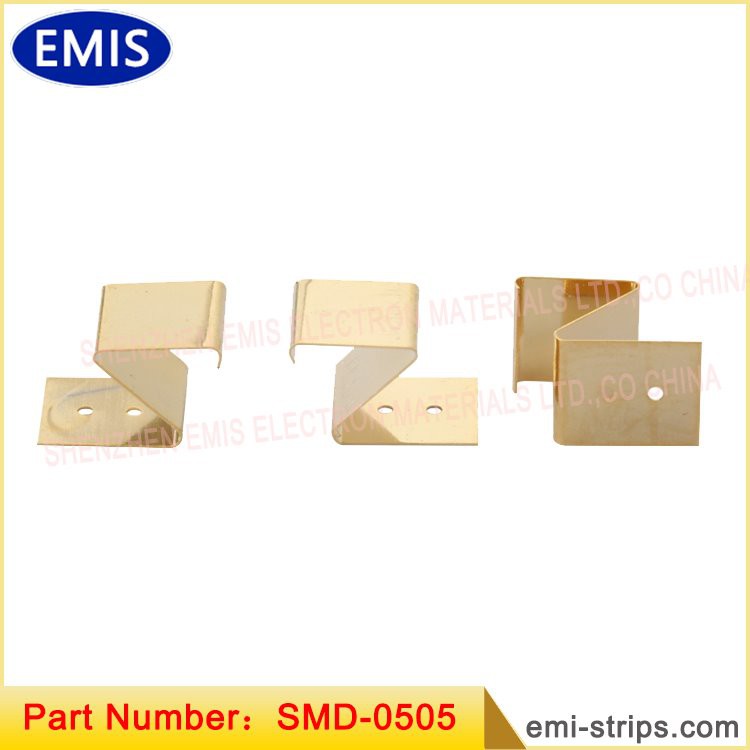
First off, let's talk about what SMD Gold Plated Springs are. These springs are surface - mount device (SMD) components that have a gold plating on them. The gold plating serves several important purposes. Gold is an excellent conductor of electricity, which means it can ensure a stable and efficient electrical connection. It's also highly resistant to corrosion, so the springs can maintain their performance over time, even in different environmental conditions.
Now, when it comes to wearable devices, there are a few key factors we need to consider to determine if SMD Gold Plated Springs are a good fit.
1. Size and Form Factor
Wearable devices are all about being small, lightweight, and comfortable to wear. SMD Gold Plated Springs are typically very small in size, which is a huge advantage for wearable applications. They can be easily integrated onto printed circuit boards (PCBs) inside these devices without taking up too much space. This allows for more compact and sleek designs of wearables, whether it's a smartwatch, a fitness tracker, or a pair of smart glasses.
For example, in a smartwatch, space is extremely limited. The SMD Gold Plated Springs can be used to make electrical connections between different components on the PCB, like the battery and the main circuit. Their small size ensures that the watch can remain thin and lightweight, which is a major selling point for consumers.
2. Electrical Performance
As I mentioned earlier, gold is an outstanding electrical conductor. In wearable devices, where reliable electrical connections are crucial for proper functioning, SMD Gold Plated Springs shine. They can transmit electrical signals with minimal resistance, reducing power loss and ensuring that the device operates efficiently.
Take a fitness tracker as an example. It needs to accurately measure various data such as heart rate, steps taken, and sleep patterns. Any interruption in the electrical connection could lead to inaccurate readings. The SMD Gold Plated Springs can provide a stable electrical pathway, allowing the sensors in the tracker to work properly and send accurate data to the device's processor.
3. Durability
Wearable devices are constantly being moved around, bent, and exposed to different environmental conditions. They need components that can withstand these stresses. The gold plating on the springs provides excellent corrosion resistance. This means that even if the device gets a bit wet from sweat or is exposed to moisture in the air, the springs won't rust or corrode easily.
Also, SMD Gold Plated Springs are designed to have good mechanical stability. They can handle repeated bending and flexing without losing their shape or performance. For instance, in a pair of smart earbuds, the springs can be used to connect the battery to the audio circuitry. As the earbuds are constantly inserted and removed from the charging case and worn in the ears, the springs need to be durable enough to maintain their electrical connections over time.
4. Compatibility with Manufacturing Processes
Wearable devices are usually mass - produced. The SMD Gold Plated Springs are well - suited for surface - mount technology (SMT) manufacturing processes, which are commonly used in the production of these devices. SMT allows for fast and efficient assembly of components onto PCBs, reducing production time and costs.
When manufacturers are making large quantities of wearables, they need components that can be easily integrated into their existing production lines. SMD Gold Plated Springs can be placed on the PCB using automated pick - and - place machines, just like other SMD components. This makes the manufacturing process more streamlined and cost - effective.
However, there are also a few potential challenges to using SMD Gold Plated Springs in wearable devices.
1. Cost
Gold is an expensive material, and the gold plating on the springs adds to the overall cost. In the highly competitive wearable device market, cost is a major factor for manufacturers. They need to balance the performance benefits of using SMD Gold Plated Springs with the cost implications. Sometimes, they might look for alternative materials or plating options that can provide similar performance at a lower cost.
2. Environmental Considerations
The mining and processing of gold have environmental impacts. Some manufacturers might be hesitant to use SMD Gold Plated Springs due to these environmental concerns. They might prefer to use more sustainable materials or manufacturing processes in their wearable devices.

In conclusion, SMD Gold Plated Springs have a lot of potential for use in wearable devices. Their small size, excellent electrical performance, durability, and compatibility with manufacturing processes make them a good candidate for many wearable applications. However, the cost and environmental factors need to be carefully considered.
If you're in the business of manufacturing wearable devices and are interested in using SMD Gold Plated Springs, I'd love to have a chat with you. We can discuss your specific requirements and see how our springs can fit into your products.
We also offer a wide range of related products, such as SMT Spring Contacts, Electrical Contact Spring, and SMT EMI Contact Finger. These products can also be very useful in wearable device applications, providing different types of electrical connections and electromagnetic interference (EMI) shielding.
If you're interested in learning more about our products or have any questions regarding the use of SMD Gold Plated Springs in your wearable devices, don't hesitate to reach out. We're here to help you find the best solutions for your manufacturing needs.
References
- "Electrical Conductivity of Metals." Physics Classroom.
- "Surface - Mount Technology: Principles and Practices." Printed Circuit Board Association.
- "Materials for Wearable Devices: A Review." Journal of Wearable Technology.


