


What is the temperature range for Emi Shielding Gaskets?
As a supplier of EMI Shielding Gaskets, I often receive inquiries from customers regarding the temperature range these gaskets can withstand. Understanding the temperature limits of EMI shielding gaskets is crucial for ensuring their optimal performance in various applications. In this blog post, I will delve into the factors that influence the temperature range of EMI shielding gaskets and provide insights into the typical temperature limits you can expect.
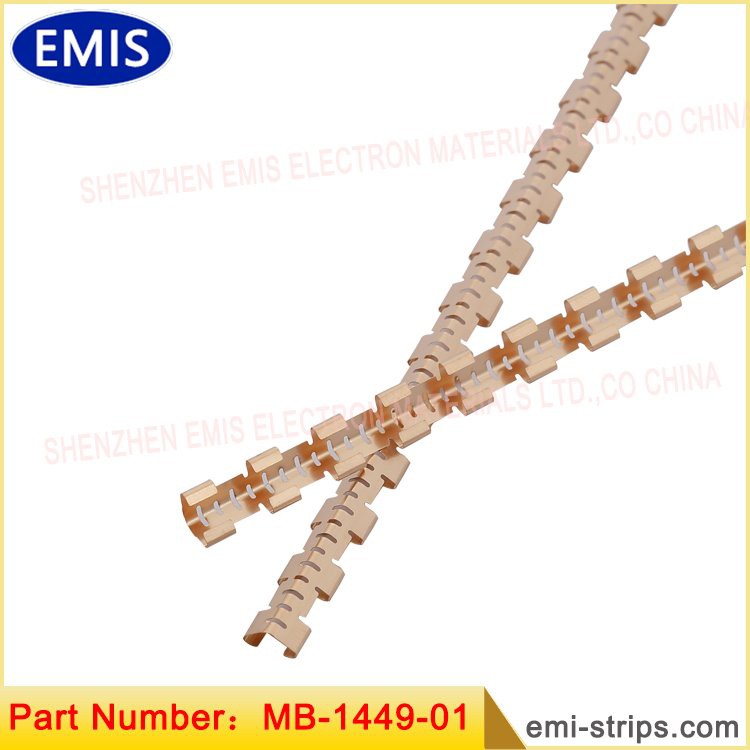
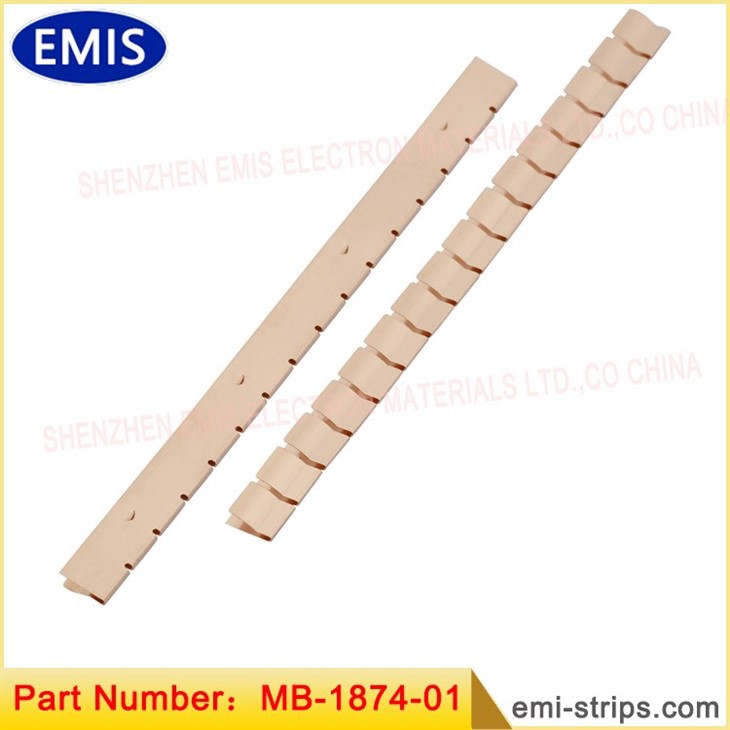
Factors Affecting the Temperature Range
The temperature range of EMI shielding gaskets is determined by several factors, including the materials used in their construction, the design of the gasket, and the application environment. Let's take a closer look at each of these factors:
Materials
The choice of materials plays a significant role in determining the temperature range of EMI shielding gaskets. Different materials have different thermal properties, such as melting points, coefficients of thermal expansion, and thermal conductivity. For example, metal gaskets, such as copper and aluminum, generally have higher melting points and better thermal conductivity than elastomeric gaskets. This makes them suitable for high-temperature applications. On the other hand, elastomeric gaskets, such as silicone and fluorosilicone, have lower melting points but offer better flexibility and sealing properties. They are commonly used in applications where temperature variations are not extreme.
Design
The design of the EMI shielding gasket also affects its temperature range. Gaskets with a simple design and fewer components are generally more resistant to temperature changes than those with complex designs. Additionally, the thickness and density of the gasket can impact its thermal performance. Thicker gaskets tend to have better insulation properties and can withstand higher temperatures.
Application Environment
The application environment is another important factor to consider when determining the temperature range of EMI shielding gaskets. Factors such as ambient temperature, humidity, and exposure to chemicals can all affect the performance of the gasket. For example, gaskets used in outdoor applications may be exposed to extreme temperature variations, while those used in industrial environments may be exposed to chemicals and solvents. In such cases, it is important to choose a gasket that is specifically designed to withstand the conditions of the application environment.
Typical Temperature Ranges
The temperature range of EMI shielding gaskets can vary depending on the materials and design of the gasket. Here are some typical temperature ranges for different types of EMI shielding gaskets:
Metal Gaskets
Metal gaskets, such as copper and aluminum, can typically withstand temperatures ranging from -40°C to 200°C. However, some high-temperature metal gaskets can withstand temperatures up to 600°C or higher. These gaskets are commonly used in applications where high temperatures are expected, such as in aerospace, automotive, and industrial settings.
Elastomeric Gaskets
Elastomeric gaskets, such as silicone and fluorosilicone, have a lower temperature range compared to metal gaskets. They can typically withstand temperatures ranging from -60°C to 200°C. However, some high-temperature elastomeric gaskets can withstand temperatures up to 300°C. These gaskets are commonly used in applications where flexibility and sealing properties are important, such as in electronics, telecommunications, and medical devices.
Conductive Fabric Gaskets
Conductive fabric gaskets are made of a fabric material coated with a conductive metal, such as silver or nickel. They can typically withstand temperatures ranging from -40°C to 120°C. These gaskets are commonly used in applications where electromagnetic interference needs to be reduced, such as in electronic enclosures and cabinets.
Choosing the Right EMI Shielding Gasket for Your Application
When choosing an EMI shielding gasket for your application, it is important to consider the temperature range, as well as other factors such as the level of shielding required, the type of environment the gasket will be exposed to, and the budget. Here are some tips to help you choose the right EMI shielding gasket for your application:
Determine the Temperature Range
The first step in choosing an EMI shielding gasket is to determine the temperature range of the application. This will help you narrow down your options and choose a gasket that can withstand the temperatures expected in your application.
Consider the Level of Shielding Required
The level of shielding required will depend on the type of application and the amount of electromagnetic interference that needs to be reduced. Different types of EMI shielding gaskets offer different levels of shielding, so it is important to choose a gasket that meets your specific requirements.
Evaluate the Environment
The environment the gasket will be exposed to is another important factor to consider. If the gasket will be exposed to extreme temperatures, humidity, chemicals, or other harsh conditions, you will need to choose a gasket that is specifically designed to withstand these conditions.
Compare Prices
Finally, it is important to compare prices and choose a gasket that offers the best value for your money. While it is important to choose a high-quality gasket that meets your requirements, you also don't want to overspend on a gasket that you don't need.
Conclusion
In conclusion, the temperature range of EMI shielding gaskets is an important factor to consider when choosing a gasket for your application. By understanding the factors that affect the temperature range and choosing a gasket that can withstand the temperatures expected in your application, you can ensure optimal performance and reliability. As a supplier of EMI Shielding Gaskets, we offer a wide range of EMI shielding gaskets that are designed to meet the needs of various applications. Our Stick-on Mounting Fingerstrips 0097054002 and Clip-on Perpendicular Shielding are just a few examples of the high-quality EMI shielding gaskets we offer. If you have any questions or need help choosing the right EMI shielding gasket for your application, please don't hesitate to contact us. We are here to help you find the best solution for your needs.
References
- "EMI/RFI Shielding Materials and Components," IHS Markit, 2021.
- "Temperature Effects on EMI Shielding Gaskets," Technical Bulletin, Pasternack Enterprises, Inc., 2020.
- "Choosing the Right EMI Shielding Gasket," White Paper, Parker Hannifin Corporation, 2019.


