


Hey there! As a supplier of EMC Door EMI Strips, I've gotten a ton of questions about the noise reduction effect of these nifty little strips. So, I thought I'd sit down and break it all down for you in this blog post.
Let's start with the basics. EMC stands for Electromagnetic Compatibility, and EMI is short for Electromagnetic Interference. In simple terms, EMC Door EMI Strips are designed to create a shield that blocks unwanted electromagnetic signals from getting in or out of a space. This is super important in all sorts of industries, from electronics manufacturing to telecommunications and even aerospace.
So, how do these strips actually reduce noise? Well, it all comes down to the materials they're made of and the way they're constructed. Most EMC Door EMI Strips are made from conductive materials like copper, aluminum, or a combination of metals. These materials have the ability to absorb and reflect electromagnetic waves, effectively reducing the amount of interference that can pass through.
One of the key factors in the noise reduction effect of EMC Door EMI Strips is their conductivity. The higher the conductivity of the material, the better it can block electromagnetic signals. For example, copper is an excellent conductor and is often used in high-performance EMI strips. When an electromagnetic wave hits a copper strip, it causes the electrons in the copper to move, which in turn creates an opposing magnetic field. This opposing field cancels out the incoming electromagnetic wave, reducing the amount of interference that can pass through.
Another important factor is the design of the strip. EMC Door EMI Strips come in a variety of shapes and sizes, each designed to fit specific applications. Some strips are designed to be installed around the perimeter of a door or window, creating a continuous shield. Others are designed to be used in conjunction with other EMI shielding components, such as EMI Shielding Gaskets. The design of the strip can also affect its flexibility and durability, which are important considerations in applications where the strip may be subject to repeated bending or movement.
In addition to conductivity and design, the thickness of the strip can also play a role in its noise reduction effect. Thicker strips generally provide better shielding than thinner ones, but they may also be more rigid and less flexible. The choice of thickness will depend on the specific application and the level of shielding required.
Now, let's talk about some real-world examples of how EMC Door EMI Strips can reduce noise. In an electronics manufacturing facility, for example, EMI strips can be used to prevent electromagnetic interference from affecting sensitive electronic components. By installing EMI strips around the doors and windows of the facility, the amount of external interference can be significantly reduced, improving the quality and reliability of the manufactured products.
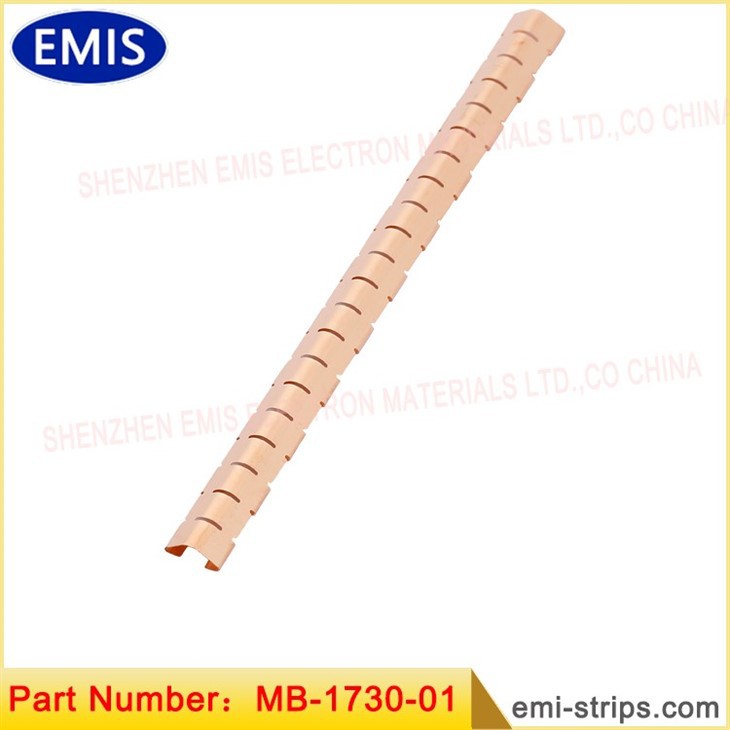

In the telecommunications industry, EMC Door EMI Strips can be used to prevent interference between different communication systems. For example, in a data center, EMI strips can be used to separate different server racks and prevent electromagnetic interference from affecting the performance of the servers. This can help to improve the overall efficiency and reliability of the data center.
In the aerospace industry, EMC Door EMI Strips are used to protect sensitive avionics systems from electromagnetic interference. By installing EMI strips around the doors and windows of the aircraft, the amount of external interference can be reduced, improving the safety and reliability of the aircraft.
So, as you can see, the noise reduction effect of EMC Door EMI Strips is pretty impressive. But how do you choose the right strip for your application? Well, there are a few things to consider. First, you need to determine the level of shielding required. This will depend on the specific application and the amount of electromagnetic interference that needs to be blocked. You can use a shielding effectiveness calculator to help you determine the required level of shielding.
Next, you need to consider the materials and design of the strip. As I mentioned earlier, copper is an excellent conductor and is often used in high-performance EMI strips. However, other materials may be more suitable for certain applications. You also need to consider the flexibility and durability of the strip, as well as its ease of installation.
Finally, you need to consider the cost of the strip. While EMC Door EMI Strips can be a significant investment, they can also provide a great return on investment by improving the quality and reliability of your products or systems. You should compare the cost of different strips and choose the one that offers the best combination of performance and value.
If you're interested in learning more about EMC Door EMI Strips or would like to discuss your specific application, please don't hesitate to get in touch. As a supplier, I have a wealth of experience and knowledge in this area and would be happy to help you find the right solution for your needs. Whether you're looking for Clip-On BeCu Finger Stock 0097061302 or EMC BeCu Strips, I can provide you with the information and support you need to make an informed decision.
In conclusion, EMC Door EMI Strips are an essential component in many industries where electromagnetic interference is a concern. Their ability to reduce noise and improve the performance and reliability of products and systems makes them a valuable investment. By understanding the factors that affect their noise reduction effect and choosing the right strip for your application, you can ensure that you get the best possible results. So, if you're looking for a way to protect your equipment from electromagnetic interference, consider using EMC Door EMI Strips.
References
- Electromagnetic Compatibility Engineering Handbook
- Introduction to Electromagnetic Interference and Shielding


