


Hey there! As a supplier of tin-plated EMI strips, I often get asked about the maximum operating frequency for these strips. It's a crucial question, especially for those in industries where electromagnetic interference (EMI) can cause serious issues. So, let's dive right in and explore this topic.
First off, let's understand what tin-plated EMI strips are. These strips are used to provide shielding against electromagnetic interference. They're made of a conductive material, usually copper or beryllium copper, and then coated with tin. The tin plating not only enhances the conductivity but also provides corrosion resistance, making the strips more durable.
Now, the maximum operating frequency of tin-plated EMI strips depends on several factors. One of the most important factors is the material of the strip. As I mentioned earlier, copper and beryllium copper are common materials. Beryllium copper has excellent electrical conductivity and mechanical properties, which allows it to operate at higher frequencies compared to some other materials.
Another factor is the design of the strip. The shape, thickness, and width of the strip can all affect its performance at different frequencies. For example, a thinner strip might have better high-frequency performance because it has less resistance. On the other hand, a wider strip can handle more current, which is important for lower frequency applications.
The environment in which the strips are used also plays a role. If the strips are exposed to high temperatures, humidity, or corrosive substances, their performance can degrade over time. This can reduce the maximum operating frequency. So, it's important to choose the right type of tin-plated EMI strips based on the specific environmental conditions.
In general, tin-plated EMI strips can operate at frequencies ranging from a few kilohertz (kHz) to several gigahertz (GHz). However, for most applications, the maximum operating frequency is usually in the range of 1 GHz to 10 GHz. But this is just a rough estimate, and the actual frequency can vary depending on the factors I mentioned above.
Let's take a look at some of the products we offer as a supplier. We have the Low Profile and Grounding BeCu Gasket. This gasket is made of beryllium copper and is designed for applications where space is limited. It has excellent EMI shielding properties and can operate at relatively high frequencies.
Another product is the Clip-on Perpendicular Shielding. This shielding is easy to install and provides effective EMI protection. It's suitable for a wide range of frequencies and can be used in various industries.
We also offer the Nickel Plated Beryllium Copper Finger Strips 0097052102. These finger strips are nickel-plated for added corrosion resistance and can operate at high frequencies. They're commonly used in electronic devices to prevent EMI.
When it comes to determining the maximum operating frequency for a specific application, it's important to do some testing. You can use specialized equipment to measure the performance of the tin-plated EMI strips at different frequencies. This will give you a more accurate idea of what the maximum operating frequency is for your particular setup.
In addition to testing, it's also a good idea to consult with an expert. As a supplier, we have a team of engineers who can help you choose the right tin-plated EMI strips for your needs. We can provide technical support and advice based on our experience in the industry.

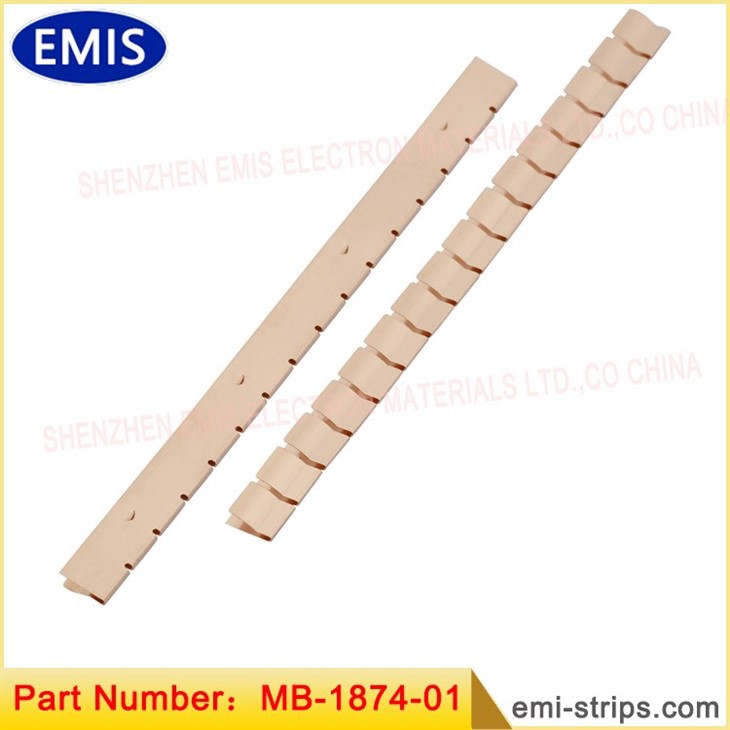
If you're in the market for tin-plated EMI strips, we'd love to hear from you. Whether you're working on a small electronic project or a large industrial application, we have the products and expertise to meet your requirements. Contact us to discuss your needs and get a quote. We're committed to providing high-quality products and excellent customer service.
In conclusion, the maximum operating frequency for tin-plated EMI strips depends on several factors, including the material, design, and environment. By understanding these factors and doing some testing, you can choose the right strips for your application. And if you need any help, don't hesitate to reach out to us. We're here to make sure you get the best EMI shielding solution for your project.
References
- "Electromagnetic Compatibility Engineering" by Henry W. Ott
- Various industry standards and technical documents related to EMI shielding


