


What is the Electrical Conductivity of EMI Contact Strips?
As a supplier of EMI (Electromagnetic Interference) Contact Strips, I often get asked about the electrical conductivity of these essential components. Electrical conductivity is a critical property when it comes to EMI shielding, and understanding it is key to selecting the right EMI Contact Strips for your specific applications.
Understanding Electrical Conductivity
Electrical conductivity is a measure of a material's ability to conduct an electric current. It is the reciprocal of electrical resistivity, which is the resistance of a material to the flow of electric current. In simple terms, a material with high electrical conductivity allows electrons to move freely through it, while a material with low conductivity restricts the flow of electrons.
For EMI Contact Strips, high electrical conductivity is desirable because it enables them to effectively divert and absorb electromagnetic waves. When an EMI Contact Strip is placed between two conductive surfaces, it creates a low - resistance path for the electromagnetic energy, preventing it from radiating out or interfering with other electronic components.
Factors Affecting the Electrical Conductivity of EMI Contact Strips
Several factors can influence the electrical conductivity of EMI Contact Strips.
Material Composition: The type of material used in the EMI Contact Strip is the most significant factor. Common materials include beryllium copper, phosphor bronze, and stainless steel. Beryllium copper is known for its excellent electrical conductivity, high strength, and good corrosion resistance. Phosphor bronze also has relatively good conductivity and is more cost - effective than beryllium copper. Stainless steel, on the other hand, has lower electrical conductivity but offers high durability and resistance to extreme environments.
Surface Finish: The surface finish of the EMI Contact Strip can also impact its electrical conductivity. A smooth and clean surface reduces the contact resistance between the strip and the mating surface, allowing for better electrical conduction. Coatings such as silver, gold, or tin are often applied to improve the surface conductivity and corrosion resistance of the strips.
Temperature: Temperature can have a significant effect on the electrical conductivity of materials. In general, as the temperature increases, the electrical conductivity of most metals decreases. This is because the increased thermal energy causes the atoms in the material to vibrate more vigorously, which disrupts the flow of electrons. For EMI Contact Strips used in high - temperature applications, it is important to select materials that can maintain their electrical conductivity over a wide temperature range.
Mechanical Stress: Mechanical stress can also affect the electrical conductivity of EMI Contact Strips. When a strip is bent, compressed, or stretched, the internal structure of the material can be altered, which may increase the electrical resistance. Therefore, it is crucial to ensure that the EMI Contact Strips are installed and used within their specified mechanical limits to maintain their electrical performance.
Measuring the Electrical Conductivity of EMI Contact Strips
The electrical conductivity of EMI Contact Strips is typically measured in siemens per meter (S/m). However, in practical applications, the contact resistance is often used as an indicator of the electrical performance of the strips. Contact resistance is the resistance between the EMI Contact Strip and the mating surface, and it can be measured using a micro - ohmmeter.
To measure the contact resistance accurately, it is important to ensure that the test setup is clean, the contact pressure is consistent, and the measurement is taken under the same environmental conditions as the actual application. A lower contact resistance indicates better electrical conductivity and more effective EMI shielding.
Importance of Electrical Conductivity in EMI Shielding Applications
In EMI shielding applications, the electrical conductivity of EMI Contact Strips plays a crucial role in determining the effectiveness of the shielding. A high - conductivity strip can provide a better electrical connection between the shielding enclosure and the electronic components, reducing the electromagnetic leakage and interference.
For example, in electronic devices such as smartphones, laptops, and medical equipment, EMI Contact Strips are used to prevent electromagnetic interference from affecting the performance of the internal components. By using high - conductivity EMI Contact Strips, manufacturers can ensure that their products meet the strict electromagnetic compatibility (EMC) standards.
In addition, in high - frequency applications, such as radar systems and satellite communications, the electrical conductivity of EMI Contact Strips becomes even more critical. At high frequencies, the skin effect becomes more pronounced, which means that the current tends to flow near the surface of the conductor. Therefore, a high - conductivity surface finish is essential to ensure that the EMI Contact Strips can effectively shield against high - frequency electromagnetic waves.
Our Product Range and Electrical Conductivity
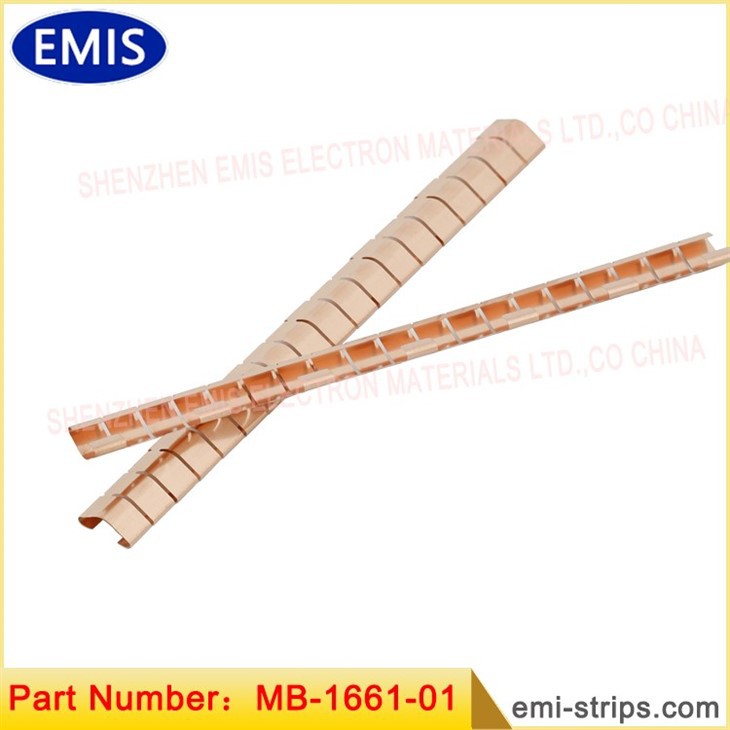
As a supplier of EMI Contact Strips, we offer a wide range of products with different electrical conductivities to meet the diverse needs of our customers. Our Twisted Fingerstrips for EMI Shielding 0097055102 are made of high - quality beryllium copper, which provides excellent electrical conductivity and mechanical properties. These strips are suitable for applications where high - performance EMI shielding is required.
Our Finger Stock EMI Shielding 0097097402 are available in different materials, including phosphor bronze and stainless steel. The phosphor bronze version offers a good balance between electrical conductivity and cost, while the stainless steel version is ideal for applications in harsh environments.
We also offer Finger Stock Gasket, which are designed to provide a reliable EMI shielding solution with high electrical conductivity. These gaskets are available in various shapes and sizes to fit different applications.
Conclusion
In conclusion, the electrical conductivity of EMI Contact Strips is a critical factor in their performance and effectiveness in EMI shielding applications. By understanding the factors that affect electrical conductivity, measuring it accurately, and selecting the right materials and products, you can ensure that your EMI shielding solution provides the best possible protection against electromagnetic interference.
If you are looking for high - quality EMI Contact Strips with excellent electrical conductivity, we invite you to contact us for a consultation. Our team of experts can help you select the right products for your specific needs and provide you with the technical support you need to ensure the success of your EMI shielding projects.

References
- Grover, F. W. (1946). Inductance Calculations: Working Formulas and Tables. Dover Publications.
- Ramo, S., Whinnery, J. R., & Van Duzer, T. (1994). Fields and Waves in Communication Electronics. John Wiley & Sons.
- Paul, C. R. (2006). Introduction to Electromagnetic Compatibility. John Wiley & Sons.


