


The compression ratio of an EMC Door EMI Strip is a crucial parameter that determines its effectiveness in providing electromagnetic interference (EMI) shielding. As a leading supplier of EMC Door EMI Strips, we understand the importance of this characteristic and its impact on the overall performance of your equipment. In this blog post, we will delve into what the compression ratio is, why it matters, and how it relates to our EMC Door EMI Strips.
What is Compression Ratio?
The compression ratio of an EMC Door EMI Strip refers to the ratio of the strip's original thickness to its compressed thickness when it is installed and under pressure. It is typically expressed as a percentage. For example, if an EMC Door EMI Strip has an original thickness of 10 mm and is compressed to 5 mm when installed, its compression ratio is 50%.
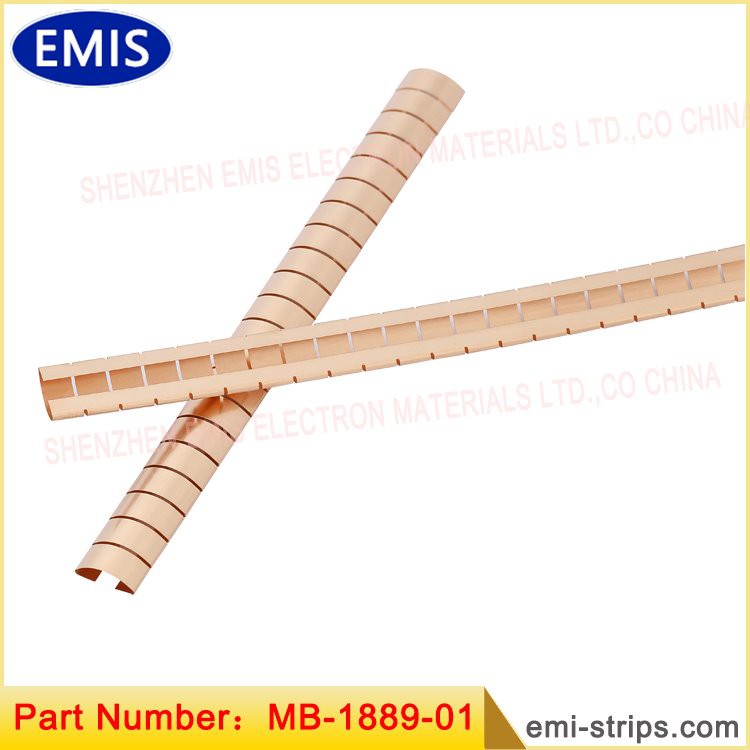
This ratio is important because it directly affects the electrical conductivity and the shielding effectiveness of the strip. When an EMI strip is compressed, the individual fingers or conductive elements within the strip come into closer contact with each other and with the mating surfaces. This increased contact reduces the electrical resistance and improves the flow of electrical current, which in turn enhances the shielding performance.

Why is Compression Ratio Important for EMC Door EMI Strips?
Shielding Effectiveness
The primary function of an EMC Door EMI Strip is to prevent the leakage of electromagnetic radiation in and out of an enclosure. A proper compression ratio ensures that there are no gaps or spaces through which the EMI can escape. When the strip is compressed to the right degree, it forms a continuous conductive path around the door or opening, creating a Faraday cage effect. This cage blocks the electromagnetic waves and protects the sensitive electronic components inside the enclosure from external interference and prevents the internal emissions from affecting other devices.
Durability
A well - chosen compression ratio also contributes to the durability of the EMC Door EMI Strip. Over - compression can cause permanent deformation of the strip, leading to a loss of its elastic properties. This means that the strip may not return to its original shape after the pressure is removed, and its shielding performance will deteriorate over time. On the other hand, under - compression may result in insufficient contact between the strip and the mating surfaces, reducing the shielding effectiveness.
Cost - Efficiency
Selecting the appropriate compression ratio can also lead to cost - efficiency. Using a strip with an incorrect compression ratio may require additional sealing or rework, which can increase the overall cost of the project. By choosing the right compression ratio from the start, you can ensure that the strip performs optimally and avoid unnecessary expenses.
Compression Ratio and Our EMC Door EMI Strips
At our company, we offer a wide range of EMC Door EMI Strips, including the EMC Door EMI Strip 0097064502. Our strips are designed to have an optimal compression ratio to provide the best possible shielding performance.
We use high - quality materials such as beryllium copper (BeCu) in our strips. BeCu is known for its excellent electrical conductivity, corrosion resistance, and mechanical properties. These properties allow our strips to maintain their shape and performance even under repeated compression.
For example, our Low Profile and Grounding BeCu Gasket is designed to fit in applications where space is limited. It has a carefully engineered compression ratio that ensures effective shielding without sacrificing its low - profile design.
Our Cabinet Doors Becu Fingers are also popular among customers. They are made of BeCu fingers that are individually designed to provide a consistent compression ratio across the entire strip. This uniformity in compression ensures reliable shielding performance around the cabinet doors.
Determining the Right Compression Ratio
To determine the right compression ratio for your application, several factors need to be considered.
Enclosure Design
The design of the enclosure, including the material of the door and the mating surfaces, can affect the compression ratio. For example, if the enclosure is made of a soft material, a lower compression ratio may be required to avoid damaging the enclosure.
Environmental Conditions
The environmental conditions in which the enclosure will be used also play a role. In harsh environments with high levels of vibration or temperature fluctuations, a higher compression ratio may be necessary to ensure a stable shielding performance.
EMI Requirements
The level of electromagnetic interference that needs to be blocked is another important factor. Higher EMI requirements may necessitate a higher compression ratio to achieve the desired shielding effectiveness.
Our Expertise in Compression Ratio Selection
As an experienced supplier of EMC Door EMI Strips, we have the knowledge and expertise to help you select the right compression ratio for your specific application. Our technical team can work with you to understand your requirements, analyze your enclosure design, and recommend the most suitable EMC Door EMI Strip.
We also offer custom - made EMC Door EMI Strips. If our standard products do not meet your specific compression ratio requirements, we can manufacture strips with a custom - designed compression ratio to ensure optimal performance.
Contact Us for Procurement and洽谈
If you are interested in purchasing our EMC Door EMI Strips, we invite you to contact us for procurement and further discussion. Our sales team is ready to assist you with any questions you may have regarding the compression ratio, shielding effectiveness, or any other aspect of our products. We are committed to providing you with high - quality EMC solutions that meet your specific needs.
References
- "Electromagnetic Compatibility Engineering" by Henry W. Ott.
- "EMI/RFI Shielding Handbook" by Davenport, W. D.


