


Over the years, I've been deeply involved in the fingerstock business as a supplier. It's been a wild ride watching how fingerstock has changed and evolved. In this blog, I'll share my insights on how fingerstock has transformed over time and what it means for us in the industry.
The Early Days of Fingerstock
When I first got into this business, fingerstock was a relatively simple product. It was mainly used for basic electrical conductivity and grounding purposes. The materials were limited, mostly copper and some basic alloys. The design was straightforward, with simple fingers that provided a basic level of contact.
Back then, the demand for fingerstock was mostly from industries like telecommunications and electronics manufacturing. These industries needed a reliable way to connect different components and ensure electrical continuity. Fingerstock was the go-to solution because of its flexibility and ability to conform to different shapes.
The manufacturing process was also quite basic. It involved stamping and forming the metal sheets into the desired fingerstock shape. Quality control was not as strict as it is today, and there was a lot of room for improvement in terms of consistency and performance.
Technological Advancements
As technology advanced, so did the requirements for fingerstock. The rise of high - speed electronics and the need for better electromagnetic interference (EMI) shielding led to significant changes in fingerstock design and materials.
New materials started to emerge, such as beryllium copper (BeCu). BeCu offered excellent electrical conductivity, high strength, and good corrosion resistance. It quickly became a popular choice for fingerstock, especially in applications where high performance was required. For example, in aerospace and military electronics, where reliability and performance are critical, BeCu fingerstock became the standard.
The manufacturing process also underwent a major transformation. Precision machining techniques were introduced, allowing for more accurate and consistent fingerstock production. This led to better performance and a wider range of applications. For instance, we can now produce fingerstock with extremely fine fingers, which can provide a more reliable contact in high - density electronic assemblies.
Another significant development was the improvement in surface treatments. Coatings like gold and silver were applied to the fingerstock to enhance its electrical conductivity and corrosion resistance. These coatings not only improved the performance of the fingerstock but also extended its lifespan, making it a more cost - effective solution in the long run.
Changing Market Demands
The market for fingerstock has also changed significantly over time. In the past, it was mainly a niche product for a few specific industries. But now, with the increasing use of electronics in everyday life, the demand for fingerstock has grown exponentially.
Consumer electronics, such as smartphones, tablets, and laptops, have become major consumers of fingerstock. These devices require high - performance EMI shielding to ensure proper operation and to meet regulatory requirements. Fingerstock plays a crucial role in providing this shielding, protecting the sensitive electronic components from external interference.
Industrial automation is another area where the demand for fingerstock has increased. With the growth of the Internet of Things (IoT), more and more industrial equipment is being connected to the network. Fingerstock is used to ensure reliable electrical connections and EMI shielding in these devices, helping to prevent malfunctions and data loss.
The automotive industry has also started to use fingerstock more extensively. As cars become more electronic, with features like advanced driver - assistance systems (ADAS) and in - car infotainment systems, the need for EMI shielding and reliable electrical connections has become paramount. Fingerstock is being used in various automotive applications, from engine control units to dashboard electronics.
Customization and Specialization
One of the most notable trends in the fingerstock industry is the increasing demand for customization. Customers are no longer satisfied with off - the - shelf fingerstock products. They need fingerstock that is tailored to their specific applications and requirements.
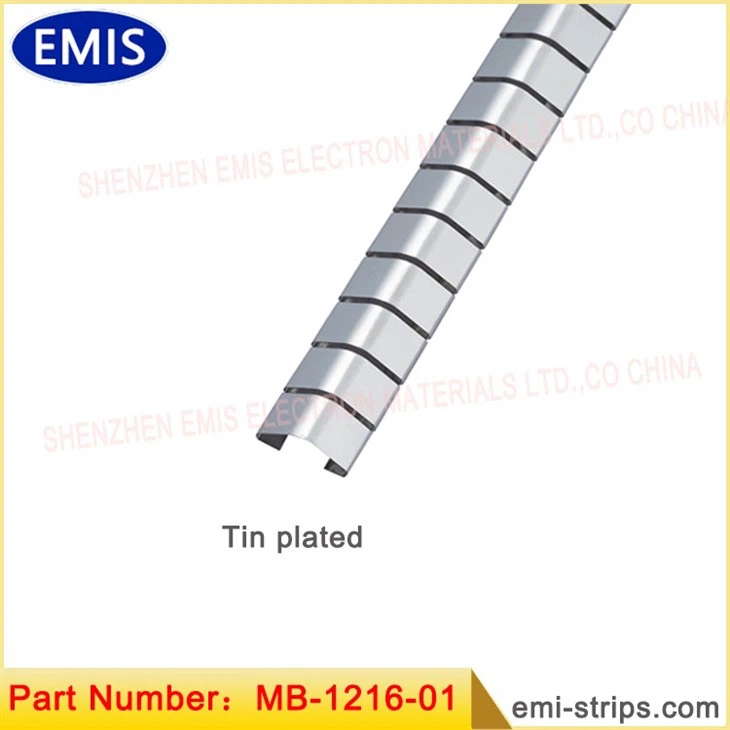
We've seen a rise in the production of specialized fingerstock, such as the EMI Contact Strips. These strips are designed specifically for EMI shielding applications, with unique finger designs and materials to provide optimal performance.
Another example is the Single Slot BeCu Finger Stock 0077001002. This product is a highly specialized fingerstock, made from beryllium copper and designed for applications where high strength and excellent electrical conductivity are required. It's often used in high - end electronics and aerospace applications.
We also offer Enclosure BeCu Gasket, which is a type of fingerstock used for sealing enclosures. It provides both EMI shielding and environmental protection, making it ideal for applications where the electronics need to be protected from both electromagnetic interference and external elements.
The Future of Fingerstock
Looking ahead, I believe the fingerstock industry will continue to evolve. With the development of new technologies such as 5G, artificial intelligence, and quantum computing, the demand for high - performance fingerstock will only increase.
We can expect to see further advancements in materials and manufacturing processes. New materials with even better properties may be developed, and the manufacturing process will become even more precise and efficient.
The trend towards customization will also continue. Customers will demand more and more specialized fingerstock products, and suppliers will need to be able to quickly adapt to these changing requirements.
In addition, there will be a greater emphasis on sustainability. As the world becomes more environmentally conscious, the fingerstock industry will need to find ways to reduce its environmental impact. This could involve using more sustainable materials, improving the recycling process, and reducing energy consumption during manufacturing.
Contact for Procurement
If you're in the market for fingerstock, whether it's for a new project or to upgrade your existing equipment, I'd love to talk to you. We have a wide range of fingerstock products to meet your needs, and our team of experts can help you find the perfect solution. Just reach out, and we can start the procurement discussion.

References
- "Electromagnetic Interference Shielding Materials: Principles and Applications" - A comprehensive book on EMI shielding materials, including fingerstock.
- Industry reports on the electronics and manufacturing sectors, which provide insights into the market trends and demands for fingerstock.
- Technical papers from leading research institutions on the development of new materials and manufacturing processes for fingerstock.


