


Can Standard EMI Strips be used in railway applications?
Hey there! I'm a supplier of Standard EMI Strips, and I often get asked if these strips can be used in railway applications. Well, let's dig into this topic and find out.
First off, what are Standard EMI Strips? EMI stands for Electromagnetic Interference. These strips are designed to block or reduce the electromagnetic interference that can mess with the proper functioning of electronic devices. They're made of materials that can conduct electricity and act as a shield against unwanted electromagnetic waves.
Now, when it comes to railway applications, there are some unique challenges and requirements. Railways are full of all sorts of electronic systems. You've got the signaling systems that tell the trains when to stop and go, the communication systems that allow the train crew to talk to the control center, and the on - board entertainment and monitoring systems for passengers. All these systems are sensitive to electromagnetic interference.
One of the big issues in railway environments is the presence of high - power electrical equipment. Trains are powered by large electric motors, and the power substations along the tracks also generate a significant amount of electromagnetic noise. This noise can interfere with the operation of the sensitive electronic components in the railway systems.
Standard EMI Strips have several features that make them a potential candidate for railway applications. For starters, they offer good electrical conductivity. This means they can effectively divert the electromagnetic waves away from the sensitive electronic equipment. They also come in various shapes and sizes, which allows for easy installation in different parts of the railway systems. Whether it's inside the train carriages, in the control panels at the stations, or in the power distribution boxes along the tracks, there's a good chance that a standard EMI strip can be adapted to fit.
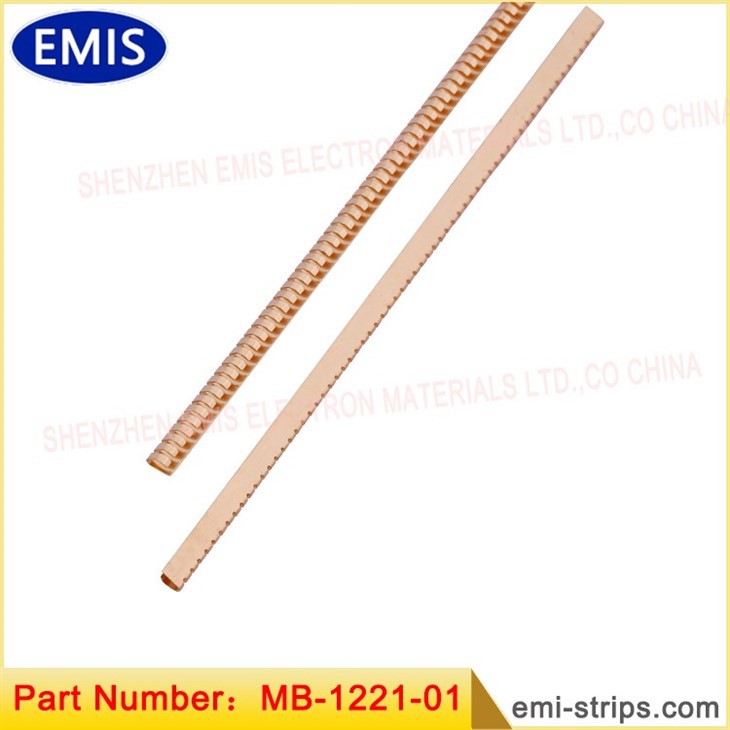
Let's talk about the types of EMI Strips we offer. We have Contact BeCu Finger Strips. These strips are made of Beryllium Copper, which is known for its excellent electrical conductivity and corrosion resistance. In a railway environment, where the equipment is exposed to different weather conditions and vibrations, corrosion resistance is crucial. The finger - like design of these strips allows for a flexible and reliable connection, which is important when dealing with the movement and vibrations that trains experience.
Another option is the Clip - on and Edge Mount Gaskets 0097060602. These gaskets are easy to install. You can simply clip them onto the edges of the enclosures where the electronic components are housed. They provide a good seal against electromagnetic interference, preventing the waves from getting inside the enclosures. This is especially useful for protecting the on - board computers and communication devices in the trains.
We also have the Longitudinal Grounding Gasket. This gasket is designed to provide a continuous electrical connection along the length of the equipment. In railway applications, proper grounding is essential to ensure the safety and proper operation of the electrical systems. The longitudinal grounding gasket helps to create a low - impedance path for the electrical current, which can help in reducing the electromagnetic interference.
However, it's not all smooth sailing. There are some limitations to using standard EMI Strips in railway applications. The railway environment is a harsh one. Trains are subject to extreme temperatures, from the scorching heat of summer to the freezing cold of winter. The EMI strips need to be able to withstand these temperature variations without losing their effectiveness. Also, the constant vibrations and shocks that trains experience can cause the strips to loosen or break over time.

To overcome these challenges, we're constantly working on improving our products. We're researching new materials that can better withstand the temperature extremes and vibrations. We're also developing new installation methods to ensure that the strips stay firmly in place.
In terms of safety, railway applications have strict safety standards. Our Standard EMI Strips are designed to meet these standards. They're tested for flammability, electrical insulation, and other safety - related parameters. This ensures that they can be used safely in the railway systems without posing any risks to the passengers or the equipment.
So, can Standard EMI Strips be used in railway applications? The answer is yes, but with some considerations. They offer a cost - effective and practical solution for reducing electromagnetic interference in many railway systems. But we need to take into account the unique challenges of the railway environment and make sure that the strips are properly installed and maintained.
If you're in the railway industry and are looking for a reliable solution to electromagnetic interference, I'd encourage you to consider our Standard EMI Strips. We're more than happy to discuss your specific needs and see how our products can fit into your railway applications. Whether it's a small project or a large - scale railway network upgrade, we've got the expertise and the products to help you out.
Contact us to start a conversation about how our Standard EMI Strips can benefit your railway systems. We're here to provide you with the best solutions and ensure that your railway operations run smoothly and free from electromagnetic interference.
References
- "Electromagnetic Compatibility in Railway Systems" - A technical report on the challenges and solutions related to EMI in railways.
- "Materials for EMI Shielding in Harsh Environments" - A research paper on the properties of materials used for EMI shielding in extreme conditions.


