


Can EMI Contact Strips be cut to size?

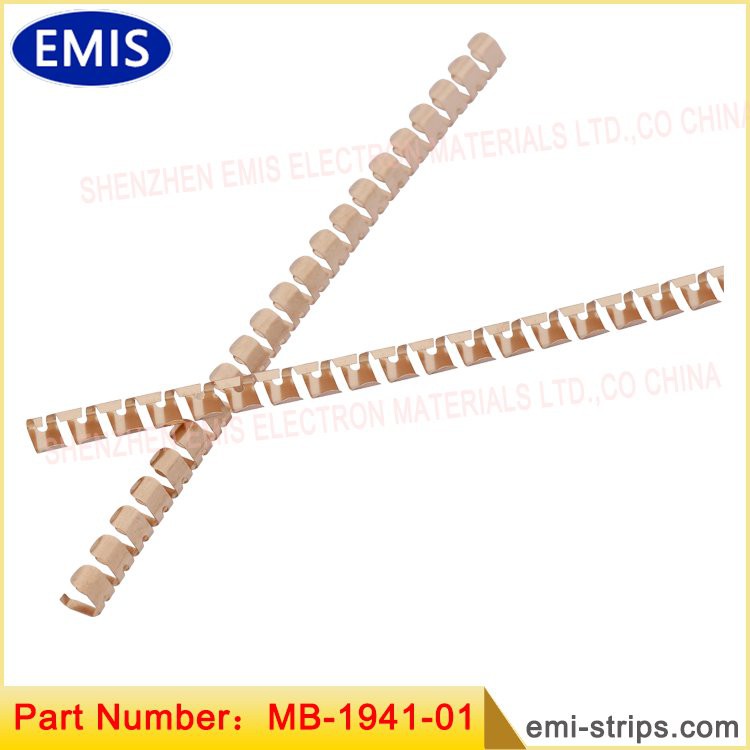
As a supplier of EMI Contact Strips, I often encounter questions from customers regarding the flexibility and customization of our products. One of the most frequently asked questions is whether EMI Contact Strips can be cut to size. In this blog post, I will delve into this topic, providing you with a comprehensive understanding of the process, its feasibility, and the considerations involved.
Understanding EMI Contact Strips
Before we discuss cutting EMI Contact Strips to size, let's first understand what they are and their significance. EMI (Electromagnetic Interference) Contact Strips are essential components used in various electronic devices and systems to prevent electromagnetic interference. They act as a shield, protecting sensitive electronic components from external electromagnetic fields and preventing the leakage of electromagnetic energy from the device.
These strips are typically made of conductive materials such as metal alloys or conductive polymers. They are designed to provide a low - resistance path for the flow of electrical current, ensuring effective electromagnetic shielding. EMI Contact Strips come in a variety of shapes, sizes, and materials to meet the diverse needs of different applications.
Can EMI Contact Strips be Cut to Size?
The short answer is yes, EMI Contact Strips can generally be cut to size. However, the feasibility and the method of cutting depend on several factors, including the material of the strip, its design, and the intended application.
Material Considerations
- Metal Strips: Metal EMI Contact Strips, such as those made of beryllium copper or phosphor bronze, are relatively easy to cut. These materials are ductile and can be cut using common cutting tools like scissors, tin snips, or a sharp utility knife. However, it is important to ensure that the cutting process does not cause any damage to the strip, such as burrs or deformation, as these can affect the electrical conductivity and shielding performance.
- Conductive Polymer Strips: Conductive polymer EMI Contact Strips are more delicate compared to metal strips. They may require a different cutting approach. A sharp blade or a laser cutter can be used to cut these strips. Laser cutting is often preferred for conductive polymer strips as it provides a clean and precise cut, minimizing the risk of damage to the material.
Design Considerations
- Fingerstock Design: Some EMI Contact Strips have a fingerstock design, which consists of multiple fingers or tabs that provide electrical contact. When cutting fingerstock strips, it is crucial to ensure that the fingers are not damaged or bent. Specialized cutting tools or techniques may be required to maintain the integrity of the fingerstock design.
- Gasket Design: EMI shielding gaskets, such as EMI Shielding Gaskets, T Lances EMI Gasket, and Low Profile Hook - on Gasket, have specific designs optimized for sealing and shielding. When cutting these gaskets to size, it is important to follow the manufacturer's guidelines to ensure that the sealing performance is not compromised.
Application Considerations
- Electrical Performance: The electrical performance of the EMI Contact Strip is a critical factor. Cutting the strip may affect its electrical conductivity, especially if the cutting process causes damage to the conductive path. It is important to test the electrical performance of the cut strip to ensure that it meets the requirements of the application.
- Environmental Conditions: The environmental conditions in which the EMI Contact Strip will be used also need to be considered. For example, if the strip will be exposed to high temperatures, humidity, or corrosive chemicals, the cutting process should not compromise its resistance to these environmental factors.
The Cutting Process
If you decide to cut EMI Contact Strips to size, here are the general steps to follow:
- Measure and Mark: Use a measuring tool, such as a ruler or a caliper, to measure the desired length of the strip. Mark the cutting point clearly on the strip using a pencil or a marker.
- Select the Cutting Tool: Based on the material and design of the strip, select the appropriate cutting tool. As mentioned earlier, scissors or tin snips can be used for metal strips, while a laser cutter may be more suitable for conductive polymer strips.
- Cut the Strip: Carefully cut the strip along the marked line. Apply even pressure to ensure a clean and straight cut. If using a sharp blade, make sure to cut in one smooth motion to avoid jagged edges.
- Inspect the Cut Edge: After cutting, inspect the cut edge of the strip for any signs of damage, such as burrs or deformation. If necessary, use a file or sandpaper to smooth the cut edge.
- Test the Electrical Performance: Before using the cut strip in your application, test its electrical conductivity and shielding performance. This can be done using specialized testing equipment or by following industry - standard test methods.
Benefits of Cutting EMI Contact Strips to Size
- Customization: Cutting EMI Contact Strips to size allows for greater customization, enabling you to fit the strips precisely into your specific application. This can improve the overall performance of the shielding system.
- Cost - Efficiency: By cutting the strips to the exact length required, you can reduce waste and save on material costs. This is especially beneficial for large - scale projects where material costs can add up quickly.
When to Seek Professional Help
While cutting EMI Contact Strips to size can be a relatively straightforward process, there are situations where it is advisable to seek professional help. For example, if you are dealing with complex designs, high - precision applications, or if you are unsure about the cutting process, it is best to consult with the manufacturer or a professional EMI shielding expert.
Conclusion
In conclusion, EMI Contact Strips can be cut to size, but it is important to consider the material, design, and application requirements before proceeding. By following the proper cutting techniques and testing the electrical performance of the cut strip, you can ensure that it meets your specific needs.
As a supplier of EMI Contact Strips, we are committed to providing our customers with high - quality products and expert advice. If you have any questions or need further information about cutting our EMI Contact Strips to size, please do not hesitate to contact us. We are here to assist you in finding the best solution for your EMI shielding needs. Whether you are working on a small - scale project or a large - scale industrial application, we can help you customize our products to fit your requirements. Let's start a conversation about your EMI shielding needs and explore how our EMI Contact Strips can enhance the performance of your electronic devices.
References
- "Electromagnetic Interference Shielding Handbook" by Henry W. Ott
- Industry - standard test methods for EMI shielding performance


