


Tin-plated EMI (Electromagnetic Interference) strips are a common shielding solution in the electronics industry. As a supplier of tin-plated EMI strips, I often encounter questions from customers about their suitability for high-frequency electronic devices. In this blog post, I will delve into the characteristics of tin-plated EMI strips and analyze their applicability in high-frequency scenarios.
Understanding Tin-plated EMI Strips
Tin-plated EMI strips are made by plating a thin layer of tin on a metal substrate, usually copper or steel. The tin plating provides several advantages. Firstly, it enhances the corrosion resistance of the strip, which is crucial for ensuring long-term performance, especially in harsh environments. Secondly, tin has good solderability, which makes it easier to attach the strips to electronic components or enclosures during the manufacturing process.
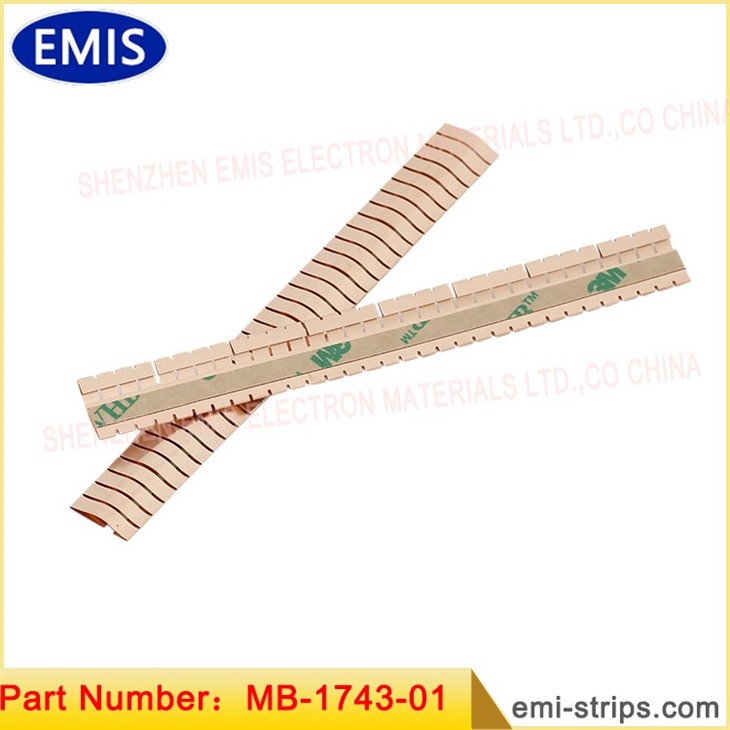

The main function of EMI strips is to prevent electromagnetic interference. In electronic devices, various components generate electromagnetic fields, and these fields can interfere with the normal operation of other components. EMI strips act as a shield, absorbing and redirecting electromagnetic waves, thereby reducing the interference between different parts of the device.
High-frequency Electronic Devices and Their Requirements
High-frequency electronic devices operate at frequencies typically above 1 GHz. These devices include wireless communication equipment (such as 5G routers and smartphones), radar systems, and high-speed data transmission devices. The requirements for EMI shielding in high-frequency devices are more stringent compared to low-frequency ones.
At high frequencies, electromagnetic waves have shorter wavelengths and higher energy. Therefore, the shielding material needs to have excellent conductivity and a proper structure to effectively block these waves. Additionally, the shielding solution should not introduce significant signal attenuation or distortion, as this can degrade the performance of the high-frequency device.
Suitability of Tin-plated EMI Strips for High-frequency Electronic Devices
Conductivity
Conductivity is a key factor in determining the effectiveness of EMI shielding at high frequencies. Tin has relatively good electrical conductivity, but it is not as high as some other metals like copper. However, when tin is plated on a copper substrate, the overall conductivity of the tin-plated EMI strip can be quite high. The copper core provides a low-resistance path for the flow of electromagnetic currents, while the tin plating protects the copper from oxidation and corrosion.
In high-frequency applications, the skin effect becomes significant. The skin effect causes the current to flow mainly near the surface of the conductor. Since the tin plating is on the surface of the strip, it can contribute to the conduction of high-frequency currents. However, the thickness of the tin plating needs to be carefully controlled. If the tin layer is too thick, it may increase the resistance and reduce the shielding effectiveness at high frequencies.
Shielding Effectiveness
The shielding effectiveness of tin-plated EMI strips at high frequencies depends on several factors, including the design of the strip, the contact between the strip and the enclosure, and the overall electromagnetic environment. Well-designed tin-plated EMI strips can provide a significant amount of shielding in high-frequency ranges.
For example, some tin-plated EMI strips are designed with a fingerstock structure. The fingerstock design allows for good flexibility and contact with the enclosure, which is important for creating a continuous shielding path. When properly installed, these strips can effectively block electromagnetic waves from entering or leaving the device.
However, in extremely high-frequency applications (e.g., above 10 GHz), the shielding effectiveness of tin-plated EMI strips may start to decline. This is because at such high frequencies, the electromagnetic waves can penetrate the shielding layer more easily, and the strip may not be able to provide sufficient attenuation.
Compatibility with High-frequency Signals
In high-frequency electronic devices, the shielding solution should not interfere with the normal operation of the high-frequency signals. Tin-plated EMI strips generally have good compatibility with high-frequency signals. The smooth surface of the tin plating and the low impedance of the strip help to minimize signal reflection and attenuation.
However, if the tin-plated EMI strips are not properly installed or if there are gaps in the shielding path, it can cause signal leakage and interference. Therefore, proper installation techniques and quality control are essential to ensure the compatibility of the strips with high-frequency signals.
Comparison with Other Shielding Solutions
There are other shielding solutions available for high-frequency electronic devices, such as conductive gaskets and metal enclosures. Conductive gaskets, like the ESD Grounding Finger Stock Gaskets 0097004302, are designed to provide a flexible and reliable sealing solution while also offering EMI shielding. These gaskets are often made of materials with high conductivity and can be more effective in some high-frequency applications compared to tin-plated EMI strips.
Longitudinal grounding gaskets, such as the Longitudinal Grounding Gasket, are another option. They are designed to provide a continuous grounding path and can be used in combination with other shielding solutions to enhance the overall shielding performance.
Track and rivet mount fingerstock, like the Track and Rivet Mount Fingerstock, offer a convenient way to install the shielding material. They can be easily mounted on the enclosure and provide a good contact surface for EMI shielding.
Compared to these solutions, tin-plated EMI strips have the advantages of lower cost and easier installation in some cases. However, they may not be as effective as some of the specialized shielding solutions in extremely high-frequency applications.
Conclusion
Tin-plated EMI strips can be a suitable choice for many high-frequency electronic devices. They offer good conductivity, corrosion resistance, and compatibility with high-frequency signals. However, their suitability depends on the specific requirements of the application, such as the operating frequency range, the electromagnetic environment, and the level of shielding effectiveness needed.
In general, for high-frequency applications below 10 GHz, tin-plated EMI strips can provide a cost-effective and reliable shielding solution. For applications above 10 GHz, a combination of tin-plated EMI strips with other specialized shielding solutions may be required to achieve the desired shielding performance.
If you are looking for a reliable supplier of tin-plated EMI strips for your high-frequency electronic devices, please feel free to contact us for more information and to discuss your specific requirements. We are committed to providing high-quality products and excellent customer service to meet your needs.
References
- "Electromagnetic Compatibility Engineering" by Henry W. Ott
- "High-Frequency Electronics: Design and Applications" by Randy H. Katz


