


In the realm of electronic components, SMD Gold Plated Spring has emerged as a crucial element, offering unique electrical and mechanical properties. As a supplier of these high - quality springs, I often engage in in - depth discussions with clients, share technical knowledge, and receive feedback about their performance. This has allowed me to gain a comprehensive understanding of not only their advantages but also their limitations.
Advantages of SMD Gold Plated Spring
Before delving into the limitations, it's essential to understand why SMD Gold Plated Spring is so popular. Gold plating on the spring offers excellent electrical conductivity. This property is invaluable in electronic applications where a stable flow of current is required, minimizing signal loss and ensuring accurate data transmission. For example, in high - speed data transfer interfaces, such as USB 3.0 or Thunderbolt ports, the low resistance provided by the gold plating ensures fast and reliable communication between devices.
The corrosion resistance of gold is another significant benefit. It protects the spring from oxidation and other forms of chemical deterioration, even in harsh environments. This makes SMD Gold Plated Springs suitable for use in automotive electronics, where they may be exposed to moisture, heat, and various chemicals. The long - term reliability provided by the gold plating reduces the need for frequent replacements, leading to cost savings over the product's lifespan.
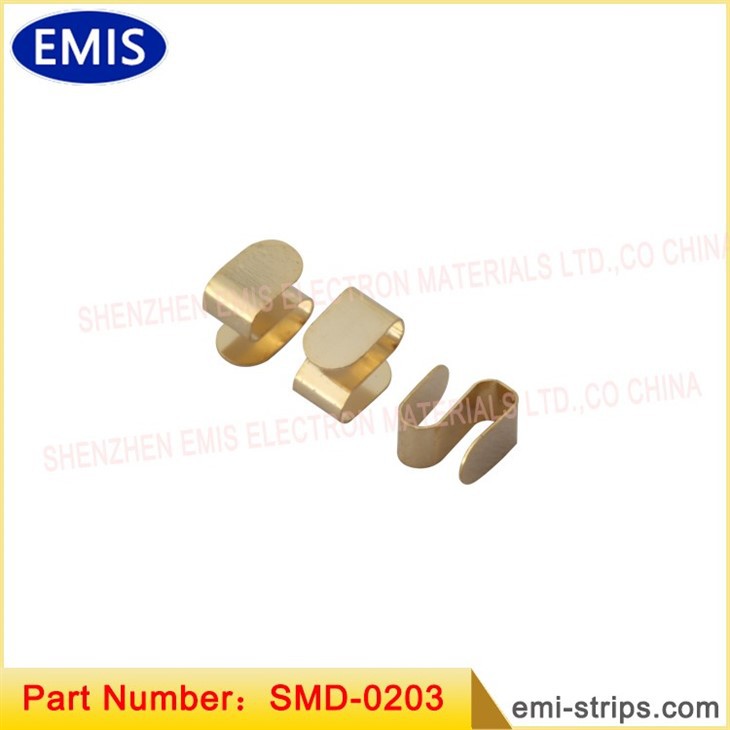

Mechanical flexibility is also a key advantage. SMD Gold Plated Springs can be designed to have specific spring constants, allowing them to provide the right amount of contact force. This is crucial in applications where a proper electrical connection needs to be maintained, such as in PCB connectors. The spring's ability to compress and expand repeatedly without losing its shape ensures a continuous and stable electrical connection. Explore our SMT Spring Contacts for more information on related components.
Limitations of SMD Gold Plated Spring
Cost Considerations
One of the most significant limitations of SMD Gold Plated Springs is the cost. Gold is an expensive precious metal, and the process of gold plating adds to the overall manufacturing cost. This can make SMD Gold Plated Springs a less attractive option for cost - sensitive applications. For instance, in consumer electronics that are produced in large volumes, such as budget smartphones or basic remote controls, manufacturers may opt for cheaper alternatives with lower conductivity and corrosion resistance. The high cost can also limit the use of these springs in projects with tight budgets, where the additional benefits of gold plating may not be considered worth the expense.
Thickness and Wear of Gold Plating
The thickness of the gold plating on the spring can vary, and this can have an impact on its performance. If the plating is too thin, it may wear off quickly, especially in applications where there is frequent contact and movement. This wear can expose the underlying metal, leading to corrosion and a decrease in electrical conductivity. Over time, this can result in intermittent connections or even complete failure of the electrical circuit. For high - end applications that require long - term reliability, achieving and maintaining an appropriate gold plating thickness is a challenge. Moreover, during the manufacturing process, ensuring uniform plating thickness across all springs in a batch can be difficult, which may lead to inconsistent performance.
Environmental Considerations
The extraction and processing of gold have significant environmental impacts. Gold mining is associated with deforestation, water pollution, and the release of toxic chemicals such as mercury. As environmental awareness grows, some companies may be reluctant to use SMD Gold Plated Springs due to their association with these negative environmental effects. Additionally, the disposal of electronic waste containing gold - plated components can be problematic, as improper disposal can lead to the release of heavy metals into the environment.
Compatibility with Other Materials
In some cases, SMD Gold Plated Springs may not be fully compatible with other materials in the electronic assembly. For example, in a PCB assembly, the spring may react with certain soldering materials or fluxes, leading to the formation of intermetallic compounds. These compounds can affect the mechanical and electrical properties of the spring and the overall performance of the circuit. In addition, the spring's surface finish may interact with adjacent components, causing issues such as adhesion or friction problems.
Design and Manufacturing Constraints
The design and manufacturing of SMD Gold Plated Springs require specialized skills and equipment. There are limitations in terms of the shape, size, and complexity of the spring that can be achieved. For very small - scale electronic devices, creating highly customized SMD Gold Plated Springs with precise dimensions can be challenging. The manufacturing process also has certain tolerances, which may affect the spring's performance. For example, variations in the spring's wire diameter or coil pitch can lead to differences in the spring constant and contact force, making it difficult to guarantee consistent performance across all products.
Overcoming the Limitations
Despite these limitations, there are ways to mitigate their impact. For the cost issue, suppliers can work with manufacturers to optimize the design of the spring and reduce the amount of gold used without sacrificing essential performance. This can involve using selective gold plating only on critical areas of the spring.
To address the problem of gold plating wear, advanced plating techniques can be employed to increase the durability of the plating. Additionally, rigorous quality control measures can be implemented during manufacturing to ensure consistent plating thickness and quality.
In terms of environmental concerns, suppliers can explore more sustainable sourcing options for gold. Some mining companies are now adopting more environmentally friendly practices, and recycled gold can also be used as an alternative.
To improve compatibility, thorough material testing and research can be conducted to identify the best combination of materials for the electronic assembly. This can help prevent unwanted chemical reactions and ensure long - term reliability.
Regarding design and manufacturing constraints, continuous investment in research and development is necessary. New manufacturing technologies, such as advanced machining and forming processes, can be explored to create more complex and precise SMD Gold Plated Springs.
Conclusion
As a supplier of SMD Gold Plated Spring, I understand that while these springs offer numerous advantages, they also have certain limitations. However, these limitations should not overshadow their potential. By being aware of these issues and taking proactive measures to overcome them, we can continue to provide high - quality SMD Gold Plated Springs that meet the diverse needs of the electronics industry.
If you are in the market for high - performance SMD Gold Plated Springs or Dedicated SMD Shrapnel for PCB Board, I encourage you to reach out for a detailed discussion. Our team of experts is ready to assist you in finding the most suitable solutions for your specific application. Whether you have concerns about cost, performance, or environmental impact, we can work together to develop the best approach.
References
- "Electrical Contacts - Principles and Applications" by Bernard L. Gold. This book provides in - depth knowledge about the electrical properties of contact materials, including gold.
- "Materials Science and Engineering: An Introduction" by William D. Callister Jr. and David G. Rethwisch. It offers a broad overview of materials used in engineering, with insights into the properties and applications of metals like gold.
- Industry reports from the Electronic Components Industry Association (ECIA), which provide up - to - date information on trends and challenges in the electronic components market, including SMD Gold Plated Springs.


