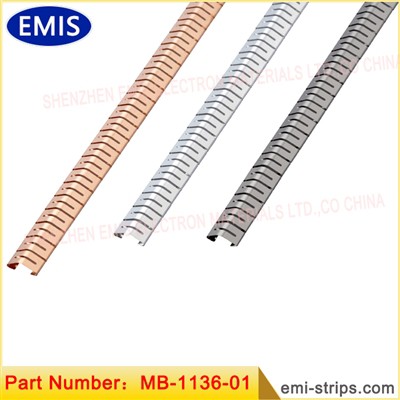
Electromagnetic shielding plays a crucial role in safeguarding electronic devices, sensitive equipment, and even entire systems from the harmful effects of electromagnetic radiation. EMI can disrupt the operation of electronic devices, cause data corruption, and even lead to equipment failure. Consequently, industries such as aerospace, defense, telecommunications, and medical devices have been actively seeking more efficient shielding materials.
Beryllium copper, known for its unique properties, has been long recognized as an excellent choice for demanding applications that require high strength, durability, and thermal conductivity. Its ability to withstand extreme conditions and maintain its structural integrity makes it an ideal candidate for a wide range of industrial uses.
Researchers at the renowned Institute of Materials Science have now discovered that beryllium copper shrapnel, traditionally used in explosive devices, exhibits exceptional electromagnetic shielding characteristics. The shrapnel's physical properties, combined with its inherent electrical conductivity, make it highly effective at redirecting and absorbing electromagnetic radiation.
The unique composition of beryllium copper provides it with a high electrical conductivity, enabling the efficient dissipation of electromagnetic energy. When used as a shielding material, the shrapnel creates a conductive barrier that absorbs and dissipates electromagnetic waves, preventing them from penetrating into sensitive electronic components.
Moreover, the malleability of beryllium copper allows it to be easily molded into various shapes and forms, ensuring seamless integration into different devices and systems. This versatility opens up new avenues for engineers and designers to incorporate electromagnetic shielding in space-constrained environments without compromising performance.
The discovery of beryllium copper shrapnel's electromagnetic shielding capabilities holds immense potential for a wide range of applications. For instance, in the aerospace industry, where weight reduction is crucial, this material can provide lightweight and efficient shielding solutions. Similarly, medical devices that require protection from external electromagnetic interference can benefit from the use of beryllium copper shrapnel.
However, it is important to note that beryllium, a key component of beryllium copper, can pose health risks if mishandled or improperly disposed of. Therefore, it is imperative for manufacturers and end-users to adhere to strict safety protocols to ensure the safe handling and disposal of beryllium copper materials.
As the scientific community delves deeper into the potential of beryllium copper shrapnel for electromagnetic shielding, further research and development will be necessary to optimize its performance and explore its compatibility with different applications. With ongoing advancements in materials science, it is likely that this discovery will lead to even more efficient and innovative shielding solutions in the future.
In conclusion, the utilization of beryllium copper shrapnel for electromagnetic shielding represents a significant breakthrough in the field of materials science. Its unique properties, including high electrical conductivity and malleability, make it an excellent choice for applications requiring effective EMI management. This discovery paves the way for enhanced protection of electronic devices, systems, and critical infrastructure, offering a promising future for industries that rely on reliable electromagnetic shielding.