


How to improve the performance of Finger Stock Gasket?
As a dedicated supplier of Finger Stock Gaskets, I've witnessed firsthand the critical role these components play in various industries, especially in electromagnetic interference (EMI) shielding. Finger Stock Gaskets are renowned for their flexibility, durability, and excellent electrical conductivity, making them a top choice for applications where reliable EMI shielding is essential. In this blog post, I'll share some valuable insights and strategies on how to enhance the performance of Finger Stock Gaskets, ensuring they meet and exceed your specific requirements.
Understanding the Basics of Finger Stock Gaskets
Before delving into performance improvement strategies, it's crucial to understand the fundamental principles of Finger Stock Gaskets. These gaskets consist of a series of thin, flexible fingers made from conductive materials such as beryllium copper (BeCu), phosphor bronze, or stainless steel. The fingers are designed to provide a flexible and resilient contact between two surfaces, creating a continuous electrical path that effectively blocks EMI.
The performance of Finger Stock Gaskets is determined by several factors, including the material properties, finger geometry, compression force, and environmental conditions. By optimizing these factors, you can significantly enhance the gasket's shielding effectiveness, durability, and overall performance.
Material Selection
The choice of material is one of the most critical factors in determining the performance of Finger Stock Gaskets. Different materials offer varying levels of electrical conductivity, flexibility, corrosion resistance, and mechanical strength. Here are some common materials used in Finger Stock Gaskets and their key characteristics:
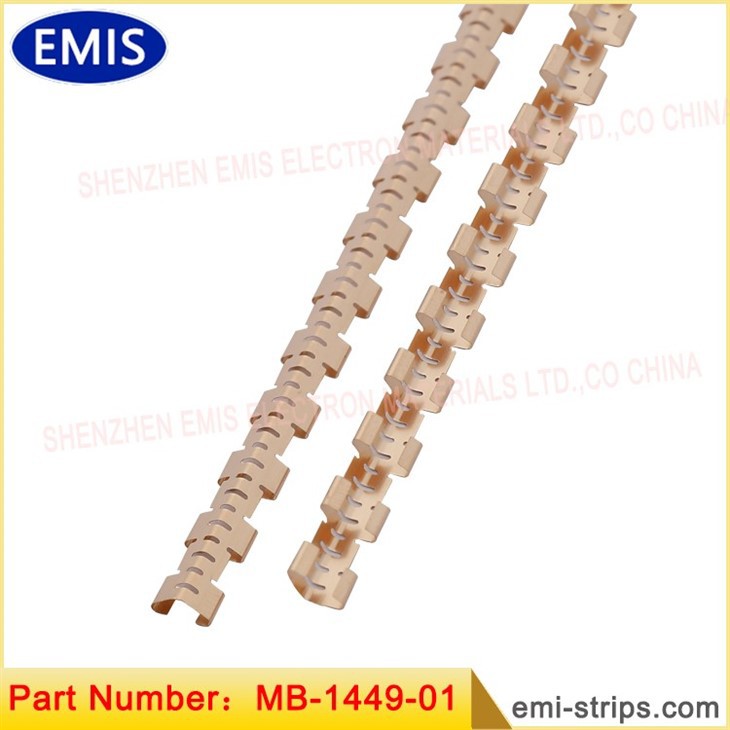

- Beryllium Copper (BeCu): BeCu is a popular choice for Finger Stock Gaskets due to its excellent electrical conductivity, high strength, and good corrosion resistance. It also offers superior flexibility and resilience, making it ideal for applications where repeated compression and flexing are required. To explore high - performance BeCu strips, you can check out our Solid Top Symmetrical Slotted BeCu Strips 0097095802.
- Phosphor Bronze: Phosphor bronze is another commonly used material for Finger Stock Gaskets. It provides good electrical conductivity, moderate strength, and excellent corrosion resistance. Phosphor bronze gaskets are often preferred for applications where cost is a concern and high - temperature performance is not critical.
- Stainless Steel: Stainless steel is known for its high strength, durability, and corrosion resistance. While it has lower electrical conductivity compared to BeCu and phosphor bronze, it is suitable for applications where mechanical robustness is the primary requirement.
When selecting a material for your Finger Stock Gasket, consider the specific requirements of your application, such as the operating environment, electrical performance, and budget.
Finger Geometry Optimization
The geometry of the fingers in a Finger Stock Gasket has a significant impact on its performance. The following aspects of finger geometry should be carefully considered:
- Finger Width and Thickness: The width and thickness of the fingers determine the flexibility and contact force of the gasket. Thinner and narrower fingers offer greater flexibility, allowing for better conformability to irregular surfaces. However, they may also have lower mechanical strength and durability. On the other hand, thicker and wider fingers provide higher mechanical strength but may be less flexible.
- Finger Pitch: The finger pitch, or the distance between adjacent fingers, affects the shielding effectiveness and the contact resistance of the gasket. A smaller finger pitch generally results in better shielding performance but may increase the contact resistance. Conversely, a larger finger pitch reduces the contact resistance but may compromise the shielding effectiveness.
By optimizing the finger width, thickness, and pitch, you can achieve a balance between flexibility, mechanical strength, shielding effectiveness, and contact resistance.
Compression Force Management
Proper compression force is essential for ensuring the optimal performance of Finger Stock Gaskets. When the gasket is compressed between two mating surfaces, the fingers deflect and make contact, creating an electrical connection. However, excessive compression can damage the fingers, reducing their flexibility and durability. On the other hand, insufficient compression may result in poor contact and reduced shielding effectiveness.
To determine the appropriate compression force for your Finger Stock Gasket, consider the material properties, finger geometry, and the specific requirements of your application. It's often advisable to conduct compression tests to measure the force - deflection characteristics of the gasket and ensure that it is operating within the recommended range.
Environmental Considerations
The operating environment can have a significant impact on the performance of Finger Stock Gaskets. Factors such as temperature, humidity, chemical exposure, and vibration can all affect the gasket's electrical conductivity, mechanical properties, and corrosion resistance.
- Temperature: High temperatures can cause the material to expand, reducing the contact force between the fingers and the mating surfaces. Low temperatures, on the other hand, can make the material more brittle, increasing the risk of finger breakage. When selecting a material for your gasket, consider its temperature range and ensure that it can withstand the operating conditions.
- Humidity and Chemical Exposure: Humidity and chemical exposure can cause corrosion and oxidation of the gasket material, reducing its electrical conductivity and mechanical strength. To protect the gasket from environmental damage, consider using a protective coating or selecting a material with high corrosion resistance.
- Vibration: Vibration can cause the fingers to fatigue and break over time, reducing the gasket's performance. To minimize the effects of vibration, ensure that the gasket is properly installed and secured, and consider using additional damping materials if necessary.
Installation and Maintenance
Proper installation and maintenance are crucial for ensuring the long - term performance of Finger Stock Gaskets. Here are some tips to follow:
- Clean the Mating Surfaces: Before installing the gasket, ensure that the mating surfaces are clean and free of dirt, oil, and debris. This will help to ensure good contact between the fingers and the surfaces, improving the shielding effectiveness.
- Proper Alignment: Align the gasket correctly with the mating surfaces to ensure that the fingers make contact evenly. Misalignment can result in poor contact and reduced shielding performance.
- Regular Inspection: Periodically inspect the gasket for signs of damage, wear, or corrosion. Replace the gasket if any issues are detected to ensure continued reliable performance.
Conclusion
Improving the performance of Finger Stock Gaskets requires a comprehensive approach that considers material selection, finger geometry optimization, compression force management, environmental factors, and proper installation and maintenance. By following the strategies outlined in this blog post, you can enhance the shielding effectiveness, durability, and overall performance of your Finger Stock Gaskets, ensuring that they meet the demanding requirements of your applications.
If you're interested in learning more about our Finger Stock Gaskets or other EMI shielding solutions, or if you have specific requirements for your project, we invite you to contact us for a detailed discussion and to explore how our products can meet your needs. Our team of experts is ready to assist you in finding the best solutions for your EMI shielding challenges.
References
- [Electromagnetic Interference Shielding Handbook] by Henry W. Ott
- [Materials Science and Engineering: An Introduction] by William D. Callister Jr. and David G. Rethwisch
- Industry standards and technical documents related to EMI shielding and Finger Stock Gaskets


